Gordon Rajendram the soil scientist

March 2026

Dr Gordon Rajendram: War, Crisis and Why Clover Matters More Than Ever

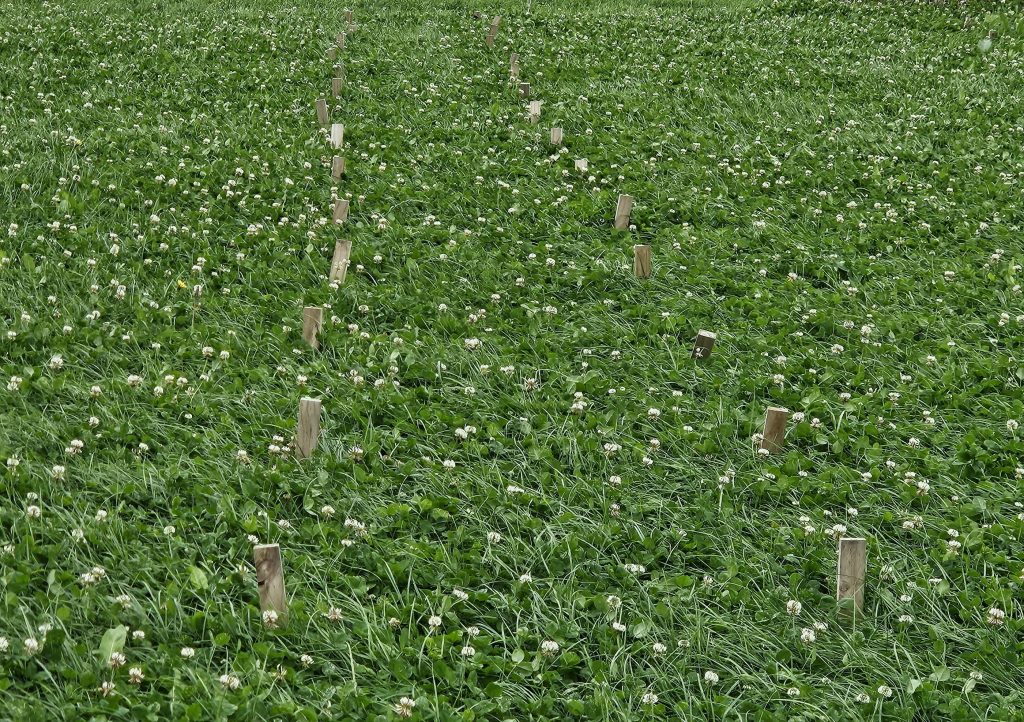
New Zealand Soil Scientist Global conflict is once again exposing just how vulnerable New Zealand farming systems are to international supply chains. Rising fuel prices, disrupted shipping routes, and instability in key fertiliser-producing regions are driving up the cost of transport and nitrogen fertilisers such as urea. These are costs farmers cannot control, yet they directly impact farm profitability. We have been here before. The difference now is that we have better knowledge and proven systems that show we do not need to rely so heavily on imported nitrogen. A Canterbury case study I was involved in clearly demonstrated this. A large-scale dairy operation reduced nitrogen inputs from 290–300 kg N/ha/year down to under 190 kg N/ha/year, while also cutting phosphate use from 45 kg/ha to 15 kg/ha annually. At the same time, pasture production still reached up to 19 tonnes of dry matter per hectare and milk production wasn’t compromised. The key was not applying more fertiliser, but improving soil pH and soil biology, nutrient balance, and clover performance. Clover is central to this discussion. It is not just another pasture species, it is a natural nitrogen factory. Research has shown white clover can fix anywhere from 20 kg to as much as 400 kg N/ha/year in grazed systems, but under ideal conditions, 250-350 kg consistently is possible and even higher. That nitrogen is effectively free, produced in the paddock, and available to drive pasture growth without the cost of urea. At the same time, clover is one of the highest-quality feeds available. With protein levels of around 34 percent compared to approximately 19 percent in ryegrass, it delivers significantly more nutritional value to livestock. Higher energy, higher protein, and better mineral content, including calcium, all contribute to improved animal performance. “One of the first things I look at is what the pasture looks like and how much white clover is in it.” This translates directly into production. Research consistently shows higher liveweight gain and increased milk yield from cows grazing clover-rich pastures due to higher intake and better feed efficiency. Simply put, more clover means more milk. However, excessive nitrogen fertiliser works against this system. Once nitrogen applications exceed around 200 kg N/ha/year, clover fixation declines sharply, and at very high rates it can stop altogether. Farmers then become locked into a cycle of dependency on purchased fertiliser, exactly the risk we are seeing play out today with global price volatility. As I often say, “The more nitrogen you grow biologically through clover, the less you need to buy, and the more resilient your farming system becomes.” The message is clear. In a world of rising costs and uncertainty, clover offers a proven pathway to reduce input costs, improve pasture quality, and lift milk production. It fixes the nitrogen problem naturally, efficiently, and economically. Global events may be out of our control, but how we manage our soils and pastures is not. “Any fool can grow rye glass but it takes a real farmer to grow clover.” – Emeritus Professor Walker For more information, contact:Dr Gordon Rajendram📞 021 466077✉️ rajendram@xtra.co.nz🌐 www.gordonrajendramsoilscientist.co.nz Media Enquiries:Media PA – Phillip📞 027 458 7724✉️ phillip@mediapa.co.nz

Dr Gordon Rajendram: War, Crisis and Why Clover Matters More Than Ever Read More »

Leading Hamilton Soil Scientist Dr Gordon Rajendram Digs Deeper into Biochar & Humates as an Environmental Saviour for Canterbury Farmers

Part 3 Pictured above: Caption to depict the role of Biochar, Humates and Microorganisms to reduce Nitrate leaching In the previous article, I discussed the role of humates, biochar, plant roots and foliar strategies in slowing nitrogen movement through the soil. Building on that foundation, it is useful to look more closely at the research behind carbon-driven nitrogen retention and why these tools are gaining increasing attention within New Zealand farming systems. Biochar has been investigated across a range of agronomic settings for its capacity to alter nitrogen dynamics. Its porous structure and surface charge characteristics increase sorption capacity, improve microbial habitat, and moderate nutrient movement through the soil profile. Controlled trials have demonstrated measurable impacts on nitrate mobility. For example, research published in Agronomy reported that incorporating biochar at approximately 10% by volume prevented detectable nitrogen leaching under experimental conditions, highlighting its capacity to physically and chemically retain nitrogen in the root zone rather than allowing downward migration. Further work examining “bioactive carbon” amendments has reinforced this functional outcome. Studies evaluating nitrogen fertiliser efficiency and ecological sustainability observed improvements in nitrogen use efficiency alongside reductions in environmental losses. These findings align with the broader international literature and complement observations made in New Zealand soil science research, where carbon additions influence microbial immobilisation pathways and nitrogen cycling behaviour. Humates, particularly in solid form, have also shown significant promise as a food source for microbes. Their complex organic structure supports cation exchange capacity, microbial activity, and nutrient buffering. Reported trial data indicate reductions of up to 60% in nitrate leaching when solid humate materials were integrated into fertiliser strategies. Such results are consistent with the theoretical framework long outlined by soil scientists, including Hedley and colleagues, where organic matter fractions regulate nutrient retention through chemical binding and biological mediation. It is important to emphasise that these tools are not substitutes for sound nutrient management planning. They function best when integrated with appropriate fertiliser timing, application rates, and soil monitoring. A brief note should also be made regarding pure sucrose. While not a retention agent in the structural sense, carbon supplementation through simple sugars can stimulate microbial uptake of available nitrogen, temporarily immobilising nitrate within microbial biomass. This mechanism has been explored within nitrogen cycling research and can contribute to reduced short-term losses when used strategically. Taken together, the emerging research evidence indicates that carbon-based amendments can play a meaningful role in addressing nitrogen leakage pathways. For farmers facing increasing environmental accountability and regulatory pressure, these tools deserve consideration not as silver bullets, but as practical components within a broader nutrient stewardship strategy. Contact Dr Gordon Rajendram 021 466 077 | rajendram@xtra.co.nz www.gordonrajendramsoilscientist.co.nz Contact MediaPA Phillip Quay MediaPA 027 458 7724 phillip@mediapa.co.nz

Leading Hamilton Soil Scientist Dr Gordon Rajendram Digs Deeper into Biochar & Humates as an Environmental Saviour for Canterbury Farmers Read More »

Scroll to Top