Gordon Rajendram the soil scientist

2026

Foliar Fertiliser: Your Questions Answered by New Zealand Soil Scientist Dr Gordon Rajendram

Q: Why is liquid foliar fertiliser especially important as we head into colder months? As soil temperatures drop, pasture growth slows. At around 5 to 6 degrees, grass can stop growing. The primary reason is reduced microbial activity. In warmer conditions, soil microbes convert nutrients into plant-available forms. In the cold, this slows significantly. Foliar fertiliser works differently. It delivers nutrients directly into the plant through the leaf, bypassing the soil. When applied, nutrients can enter the plant and roots within an hour, keeping growth systems active when soils are not. Q: How does foliar feeding work? Foliar fertiliser is applied to the leaf and absorbed directly into plant tissue. This allows rapid uptake and immediate use and growth. Farmers understand this. Herbicides such as Roundup are applied as foliar sprays to kill weeds quickly, the same principle applies here. Just as it’s possible to get herbicide into a plant rapidly using foliar to kill and eradicate plants quickly, you can just as effectively deliver nutrition for plant growth. Foliar is a more efficient pathway, especially in challenging conditions. Q: What have trials shown about its effectiveness? Trials in New Zealand, including Canterbury, show clear increases in pasture growth when foliar fertiliser is used in cooler conditions. International research supports this finding. Studies show yield increases of 15 to 19 percent under stress conditions, particularly when soil performance is limited. This has been demonstrated in the field with farmers seeing a response within days and maximised within 3 to 4 weeks. In addition, foliar application is more uniform and provides nutrition to plants evenly. Q: How does New Zealand’s foliar fertiliser use compare internationally? Overseas, foliar fertiliser is no longer niche. It is standard practice across many farming systems, from broadacre crops like wheat and maize to intensive production. In high-performing systems, multiple foliar applications are used through the season to maximise results. In comparison, New Zealand systems still rely heavily on soil-applied fertiliser, often around 70 kilograms of urea (36 kg N) per hectare in a single application, with less focus on foliar strategies. Q: Why is foliar more widely adopted overseas? The main driver is nutrient use efficiency (NUE). Overseas farmers focus on maximising return from every unit of nutrient. Foliar fertiliser allows faster response to plant demand, quicker correction of deficiencies, and better performance when soil conditions are limiting. In many cases, farmers use half to a quarter of the usual fertiliser and still achieve the same response. Q: Is foliar fertiliser a replacement for traditional fertiliser? No. The most effective systems use both. Soil fertiliser builds soil foundation, while foliar fertiliser fine-tunes performance by filling in the gaps. It is about using the right tool at the right time. Q: What is the key takeaway for farmers? As soils cool and biology slows, relying on soil fertiliser alone limits potential. Foliar fertiliser provides a direct line into the plant when other conditions are not favourable. Consequently, for growth maintenance and improved efficiency, foliar feeding can be a game-changer. Contact Dr Gordon Rajendram 021 466 077 | rajendram@xtra.co.nz www.gordonrajendramsoilscientist.co.nz Contact MediaPA Phillip Quay MediaPA 027 458 7724 phillip@mediapa.co.nz

Foliar Fertiliser: Your Questions Answered by New Zealand Soil Scientist Dr Gordon Rajendram Read More »

Dr. Gordon Rajendram conducting soil testing in a New Zealand pasture with field equipment.

Leading Hamilton Soil Scientist Dr Gordon Rajendram Urges Smarter Soil Science By New Zealand Farmers To Offset Spike In Global Fertiliser Costs

An escalation in global fertiliser prices due to the Iran war will force New Zealand farmers to rethink traditional input-heavy systems, according to one of New Zealand’s leading soil scientists, Dr Gordon Rajendram of Hamilton (pictured) “The solution is a combination of using less fertiliser and also using better science to apply only what is truly needed,” Dr Rajendram said today. A crucial starting point is soil and pasture testing. Dr Rajendram consistently emphasises that without accurate data, fertiliser programmes become guesswork. “Comprehensive testing identifies nutrient deficiencies, soil pH, and retention capacity, allowing farmers to apply inputs precisely rather than broadly,” he says. “This avoids over-application, which not only wastes money but can also lead to nutrient losses through leaching. In fact, testing is considered one of the most cost-effective steps in nutrient management, often representing a very small proportion of overall fertiliser spend while delivering significant savings,” Dr Rajendram said. Beyond testing, there is growing evidence that many farms are applying more nutrients than required, particularly phosphate. Dr Rajendram notes that some New Zealand soils can retain phosphate for several years, meaning annual applications are not always necessary. Shifting away from routine fertiliser programmes to a needs-based approach can significantly cut costs without impacting production. “Nitrogen use is another area where efficiency gains can be substantial” he says. “Rather than relying heavily on granular applications, more farmers are adopting targeted methods such as foliar spraying. This approach delivers nutrients directly to the plant, improving uptake and reducing the total amount required. Trials have shown that significantly lower nitrogen rates can achieve comparable pasture growth when applied in this way, highlighting a clear opportunity to reduce input costs.” Soil condition itself also plays a major role. Maintaining optimal pH through liming improves nutrient availability and root development, meaning plants can access more of the nutrients already in the soil. Poor pH, on the other hand, limits growth and reduces fertiliser efficiency, effectively increasing the cost per unit of production. While reducing synthetic inputs is important, Dr Rajendram also advocates for strengthening biological systems within the pasture. Clover remains a critical component, naturally fixing nitrogen from the atmosphere and reducing reliance on purchased fertiliser. However, he stresses that clover should be part of a broader, balanced system that includes diverse pasture species and well-managed soils. Excessive nitrogen use can actually suppress clover’s ability to fix nitrogen, reinforcing the need for moderation and balance. “Ultimately, the shift is about moving from a fertiliser-driven system to a soil-driven one,” Dr Rajendram said. As Dr Rajendram states: “Farmers are increasingly recognising that they may not need as much fertiliser as once thought. By combining accurate testing, targeted application, improved soil management, and biological inputs like clover, farmers can reduce costs, maintain productivity, and build more resilient farming systems in the face of ongoing global price pressures.” About Dr Gordon Rajendram: With more than three decades of experience in soil fertility, Dr Rajendram’s approach centres on improving efficiency, reducing waste, and unlocking the natural potential already present in the soil. For more information, please contact: Contact Dr Gordon Rajendram 021 466077 rajendram@xtra.co.nz www.gordonrajendramsoilscientist.co.nz Contact Media PA phillip@mediapa.co.nz 027 458 7724

Leading Hamilton Soil Scientist Dr Gordon Rajendram Urges Smarter Soil Science By New Zealand Farmers To Offset Spike In Global Fertiliser Costs Read More »

Dr Gordon Rajendram: War, Crisis and Why Clover Matters More Than Ever

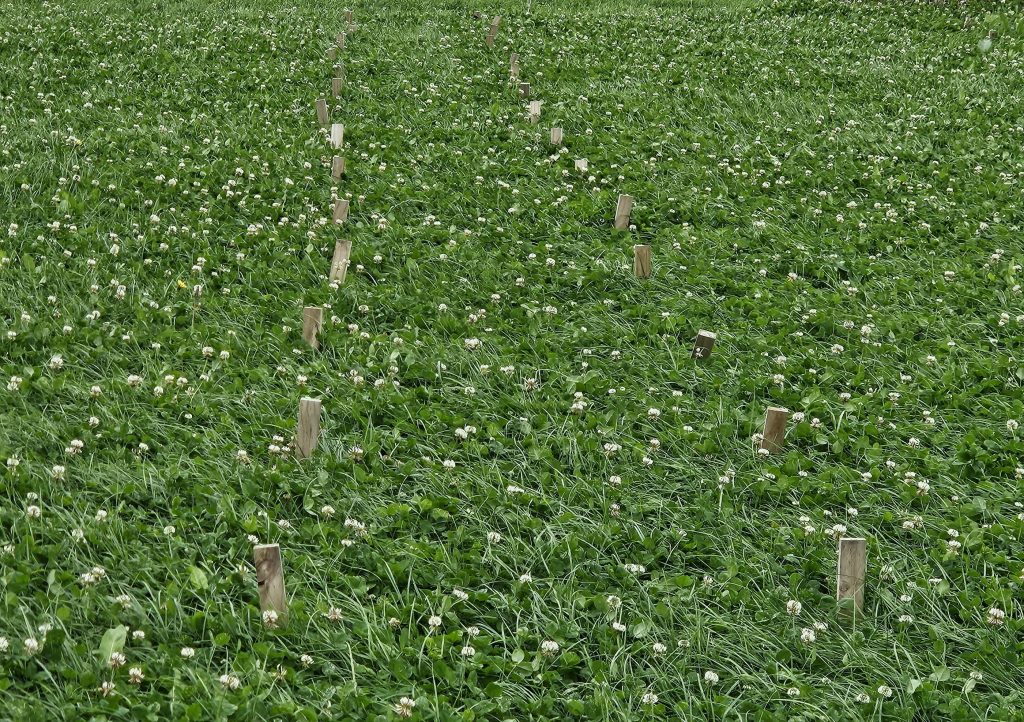
New Zealand Soil Scientist Global conflict is once again exposing just how vulnerable New Zealand farming systems are to international supply chains. Rising fuel prices, disrupted shipping routes, and instability in key fertiliser-producing regions are driving up the cost of transport and nitrogen fertilisers such as urea. These are costs farmers cannot control, yet they directly impact farm profitability. We have been here before. The difference now is that we have better knowledge and proven systems that show we do not need to rely so heavily on imported nitrogen. A Canterbury case study I was involved in clearly demonstrated this. A large-scale dairy operation reduced nitrogen inputs from 290–300 kg N/ha/year down to under 190 kg N/ha/year, while also cutting phosphate use from 45 kg/ha to 15 kg/ha annually. At the same time, pasture production still reached up to 19 tonnes of dry matter per hectare and milk production wasn’t compromised. The key was not applying more fertiliser, but improving soil pH and soil biology, nutrient balance, and clover performance. Clover is central to this discussion. It is not just another pasture species, it is a natural nitrogen factory. Research has shown white clover can fix anywhere from 20 kg to as much as 400 kg N/ha/year in grazed systems, but under ideal conditions, 250-350 kg consistently is possible and even higher. That nitrogen is effectively free, produced in the paddock, and available to drive pasture growth without the cost of urea. At the same time, clover is one of the highest-quality feeds available. With protein levels of around 34 percent compared to approximately 19 percent in ryegrass, it delivers significantly more nutritional value to livestock. Higher energy, higher protein, and better mineral content, including calcium, all contribute to improved animal performance. “One of the first things I look at is what the pasture looks like and how much white clover is in it.” This translates directly into production. Research consistently shows higher liveweight gain and increased milk yield from cows grazing clover-rich pastures due to higher intake and better feed efficiency. Simply put, more clover means more milk. However, excessive nitrogen fertiliser works against this system. Once nitrogen applications exceed around 200 kg N/ha/year, clover fixation declines sharply, and at very high rates it can stop altogether. Farmers then become locked into a cycle of dependency on purchased fertiliser, exactly the risk we are seeing play out today with global price volatility. As I often say, “The more nitrogen you grow biologically through clover, the less you need to buy, and the more resilient your farming system becomes.” The message is clear. In a world of rising costs and uncertainty, clover offers a proven pathway to reduce input costs, improve pasture quality, and lift milk production. It fixes the nitrogen problem naturally, efficiently, and economically. Global events may be out of our control, but how we manage our soils and pastures is not. “Any fool can grow rye glass but it takes a real farmer to grow clover.” – Emeritus Professor Walker For more information, contact:Dr Gordon Rajendram📞 021 466077✉️ rajendram@xtra.co.nz🌐 www.gordonrajendramsoilscientist.co.nz Media Enquiries:Media PA – Phillip📞 027 458 7724✉️ phillip@mediapa.co.nz

Dr Gordon Rajendram: War, Crisis and Why Clover Matters More Than Ever Read More »

Leading Hamilton Soil Scientist Dr Gordon Rajendram Digs Deeper into Biochar & Humates as an Environmental Saviour for Canterbury Farmers

Part 3 Pictured above: Caption to depict the role of Biochar, Humates and Microorganisms to reduce Nitrate leaching In the previous article, I discussed the role of humates, biochar, plant roots and foliar strategies in slowing nitrogen movement through the soil. Building on that foundation, it is useful to look more closely at the research behind carbon-driven nitrogen retention and why these tools are gaining increasing attention within New Zealand farming systems. Biochar has been investigated across a range of agronomic settings for its capacity to alter nitrogen dynamics. Its porous structure and surface charge characteristics increase sorption capacity, improve microbial habitat, and moderate nutrient movement through the soil profile. Controlled trials have demonstrated measurable impacts on nitrate mobility. For example, research published in Agronomy reported that incorporating biochar at approximately 10% by volume prevented detectable nitrogen leaching under experimental conditions, highlighting its capacity to physically and chemically retain nitrogen in the root zone rather than allowing downward migration. Further work examining “bioactive carbon” amendments has reinforced this functional outcome. Studies evaluating nitrogen fertiliser efficiency and ecological sustainability observed improvements in nitrogen use efficiency alongside reductions in environmental losses. These findings align with the broader international literature and complement observations made in New Zealand soil science research, where carbon additions influence microbial immobilisation pathways and nitrogen cycling behaviour. Humates, particularly in solid form, have also shown significant promise as a food source for microbes. Their complex organic structure supports cation exchange capacity, microbial activity, and nutrient buffering. Reported trial data indicate reductions of up to 60% in nitrate leaching when solid humate materials were integrated into fertiliser strategies. Such results are consistent with the theoretical framework long outlined by soil scientists, including Hedley and colleagues, where organic matter fractions regulate nutrient retention through chemical binding and biological mediation. It is important to emphasise that these tools are not substitutes for sound nutrient management planning. They function best when integrated with appropriate fertiliser timing, application rates, and soil monitoring. A brief note should also be made regarding pure sucrose. While not a retention agent in the structural sense, carbon supplementation through simple sugars can stimulate microbial uptake of available nitrogen, temporarily immobilising nitrate within microbial biomass. This mechanism has been explored within nitrogen cycling research and can contribute to reduced short-term losses when used strategically. Taken together, the emerging research evidence indicates that carbon-based amendments can play a meaningful role in addressing nitrogen leakage pathways. For farmers facing increasing environmental accountability and regulatory pressure, these tools deserve consideration not as silver bullets, but as practical components within a broader nutrient stewardship strategy. Contact Dr Gordon Rajendram 021 466 077 | rajendram@xtra.co.nz www.gordonrajendramsoilscientist.co.nz Contact MediaPA Phillip Quay MediaPA 027 458 7724 phillip@mediapa.co.nz

Leading Hamilton Soil Scientist Dr Gordon Rajendram Digs Deeper into Biochar & Humates as an Environmental Saviour for Canterbury Farmers Read More »

Ways to Reduce Nitrate Leaching, Part 2, with Leading NZ Soil Scientist Dr Gordon Rajendram

In the previous article, I focused on management changes that can help reduce nitrate leaching. Alongside those strategies, soil and plant-based tools also play a critical role. Much of my work has centred on understanding how carbon, microbes and plant roots interact to keep nitrogen in the system for longer, rather than allowing it to be lost through leaching. One option I often work with is the use of solid humates. Humates act primarily as a carbon source for soil microbes. When microbes have adequate carbon, they become more active and are able to temporarily hold nitrogen within their biomass. This slows down the conversion of nitrogen into nitrate and reduces the speed at which it moves through the soil profile. The key point is that nitrogen is still available to plants, but it is released more gradually. Biochar works in a different but complementary way. Rather than acting mainly as a food source, biochar provides physical structure in the soil. It creates protected spaces where microbes can live and function more effectively, particularly under stress. At the same time, both biochar and humates have the ability to hold onto nutrients, including nitrogen, helping to keep them in the root zone instead of allowing them to leach. Used together, they support a more stable soil system where nitrogen is retained for longer periods. Plant roots are another important part of the picture. Typical ryegrass roots extend to around 20 to 30 centimetres. There is a lot of nutrients lost during leaching, and in dollar terms, this could be as much as half or more of what you apply in a year as fertiliser. Deeper-rooting species can intercept nutrients that move further down the soil profile, capturing nitrogen before it is lost below the root zone. Encouraging deeper and more diverse root systems adds another layer of protection against nitrate leaching. Foliar application is also a useful tool in this toolbox. By supplying nutrients directly to the plant through the leaf, foliar feeding can improve nutrient efficiency and reduce the reliance on soil-applied nitrogen. When plants are better balanced nutritionally, they use nitrogen more effectively, which means less excess nitrogen remains in the soil to be leached. In Canterbury, I will soon be measuring the effectiveness of these systems more precisely using lysimeters to better understand where the nitrogen is going and how effectively it is being retained. The key takeaway is that reducing nitrate leaching requires a toolbox, not a single solution. By combining management changes with carbon inputs, plant strategies and targeted foliar nutrition, farmers can significantly reduce losses while maintaining productive and economically viable systems. Contact Dr Gordon Rajendram 021 466 077 | rajendram@xtra.co.nz www.gordonrajendramsoilscientist.co.nz Contact MediaPA Phillip Quay MediaPA 027 458 7724 phillip@mediapa.co.nz

Ways to Reduce Nitrate Leaching, Part 2, with Leading NZ Soil Scientist Dr Gordon Rajendram Read More »

Ways to Reduce Nitrate Leaching Part 1

By Dr Gordon Rajendram In the previous article, I outlined why nitrate leaching occurs and why it is so difficult to control. Now, I will look at some of the practical options that can help reduce losses. These are not silver bullets, and they are not all suitable for every farm, but each can play a role. One option is to reduce cow numbers. From a purely scientific point of view, fewer cows mean less nitrogen entering the system, and therefore less nitrate leaching. However, I need to be very clear that simply reducing stocking rates is usually not economically viable on its own. Without major system changes, farm income often drops to a point where the business becomes unsustainable. It may reduce leaching, but it is not a realistic standalone strategy for most farmers. Pasture typically contains 3% nitrogen (approximately 18% protein). If you apply nitrogen fertiliser, these levels can get up to 5.5%, and the excess N gets excreted by the animal. This work of mine showed that the amounts of nitrate-N, calcium leaching went up with increasing rates of N applied at DRC No. 2 dairy during 1996. The key takeaway here is: The less nitrogen applied, the less nitrate leached. Another option is keeping cows off pasture for part of the day using feed pads. Urine patches are one of the biggest drivers of nitrate loss. A 500-kilogram cow can excrete close to 10% of its body weight each day, which equates to around 50 kilograms of dung and urine. If cows are kept off pasture for roughly a third of the day, nitrate leaching from urine patches can be reduced significantly. Whilst this can result in large reductions in nitrate loss, it does come with costs such as infrastructure, additional management time and feed handling. It is an effective tool, but it must be carefully considered. Diet also plays an important role. The key point here is that feeding more carbohydrates reduces the amount of nitrogen excreted in urine. Supplements such as grain or palm kernel are lower in nitrogen. If you substitute more carbohydrates for pasture, the total nitrogen entering a cow’s system is lowered. This dilution effect means less excess nitrogen is excreted in urine and less nitrate is available to leach. All of these options show that nitrate leaching can be influenced through management changes. In the Canterbury region, I am working with a farmer using a combination of these approaches, and the measured nitrate losses are very low. In the next article, I will focus on soil and plant-based tools that can be used alongside these management strategies to further reduce nitrate leaching.

Ways to Reduce Nitrate Leaching Part 1 Read More »

Understanding The Causes And Effects Of The Serious Issue Of Nitrate Leaching

By Dr Gordon Rajendram In this first article, I want to focus on one of the most pressing issues affecting both productivity and the environment: nitrate leaching. This problem has been developing for decades, yet many of the underlying mechanisms are still not well understood by the wider farming community. Before we can consider ways to reduce losses, we need to understand what is happening in the soil. The starting point is soil chemistry. Soil particles carry a natural negative charge. Positively charged ions such as calcium, magnesium, sodium and potassium are attracted to the soil surface and remain in the root zone where plants can access them. Because nitrate is also negatively charged and like charges repel, nitrate is not held by the soil in the same way, leading to leaching if not used by the plants. Once nitrogen in the soil is converted into nitrate, it can move through the soil profile whenever water is present, and once past the root zone, it’s pretty well gone. Rainfall and irrigation drive this movement downward, eventually carrying nitrate into groundwater or surface water. This process is particularly problematic in pastoral systems because of the way nitrogen is deposited in urine patches. When livestock urinate, the concentration of nitrogen in that small area is far higher than plants can use. Because the volume of urine creates a significant water load, the nitrate begins its downward movement almost immediately. The scale of loss varies with soil type, rainfall, stocking rate and management. This is not a question of poor farming practice. It is simply the reality of how nitrogen behaves in our soils. Nitrate that is lost from the root zone cannot contribute to pasture growth; it represents a wasted nutrient, lost productivity and increased input costs. At the same time, nitrate accumulation in waterways poses well-known environmental risks. There are practical ways to reduce these losses, but we need a clear grounding in the science before exploring them. In my next article, I will discuss some solutions, so farmers can start to learn about what will work best on their land.

Understanding The Causes And Effects Of The Serious Issue Of Nitrate Leaching Read More »

Scroll to Top