Gordon Rajendram the soil scientist

Phillip

Restoring Soil Health in New Zealand’s Afforested Landscapes: Challenges and Opportunities by Hamilton-based leading soil scientist Dr. Gordon Rajendram

New Zealand, renowned for its stunning landscapes and diverse ecosystems, is on a journey to restore the health of its afforested landscapes. Afforestation, the process of establishing forests on previously unforested land, has been a critical strategy for combating climate change and protecting the environment. However, the long-term health of these newly established forests relies on restoring and maintaining soil health. Here, we delve into the challenges and opportunities of revitalising soil health in New Zealand’s afforested landscapes, as viewed by Soil scientist Gordon Rajendram. Challenges:  Soil Erosion: During afforestation, the removal of existing vegetation can lead to soil erosion. Exposed soil is vulnerable to the elements, particularly in areas with heavy rainfall, causing erosion that threatens the stability of the newly planted forests. Soil Compaction: The use of heavy machinery during afforestation can compact the soil, reducing its porosity and water infiltration capacity. Compacted soils are less productive and more susceptible to erosion. Nutrient Depletion: Growing trees require essential nutrients, and afforestation can deplete the soil of these nutrients over time. The soil’s ability to support plant growth diminishes, affecting the long-term health of the forest. Opportunities:  Reforestation Techniques: New Zealand can employ reforestation techniques that reduce soil disturbance, such as no-till farming or aerial seeding. These methods help maintain soil structure and reduce the risk of erosion. Native Planting: Choosing native plant species for afforestation can enhance soil health. Native plants are adapted to local conditions, reducing the need for excessive fertilization and pest control, and they can help rebuild soil microbial communities. Agroforestry: Combining forestry with agriculture through agroforestry practices provides opportunities for diversifying land use and enhancing soil health. Agroforestry integrates trees or shrubs with traditional agricultural crops, improving overall soil stability and nutrient cycling. Soil Amendments: Adding organic matter, such as compost or cover crops, can rejuvenate depleted soils and promote microbial activity. This improves nutrient cycling and increases the soil’s ability to retain moisture. Conservation Efforts: Initiatives to preserve indigenous forests can reduce the need for afforestation on pristine land, preserving vital ecosystems while directing reforestation efforts toward areas that need restoration. Collaboration: Collaboration among government agencies, environmental organizations, and local communities is essential for the success of soil restoration efforts by Soil scientist Gordon Rajendram. These partnerships can pool resources, share knowledge, and implement best practices. Restoring soil health in New Zealand’s afforested landscapes is a complex yet critical endeavour. By addressing the challenges and seizing the opportunities presented, New Zealand can continue to be a global leader in sustainable forestry and environmental conservation, ensuring that afforested landscapes are not only a climate change solution but also thriving ecosystems for generations to come. Contact Dr. Gordon Rajendram 021 466077 rajendram@xtra.co.nz www.gordonrajendramsoilscientist.co.nz Contact Phillip Quay Phone: 0274 587 724 Email: phillip@mediapa.co.nz  Website: https://mediapa.co.nz/  Facebook: facebook.com/mediapa

Restoring Soil Health in New Zealand’s Afforested Landscapes: Challenges and Opportunities by Hamilton-based leading soil scientist Dr. Gordon Rajendram Read More »

Mitigating Soil Erosion in New Zealand: Strategies and Success Stories

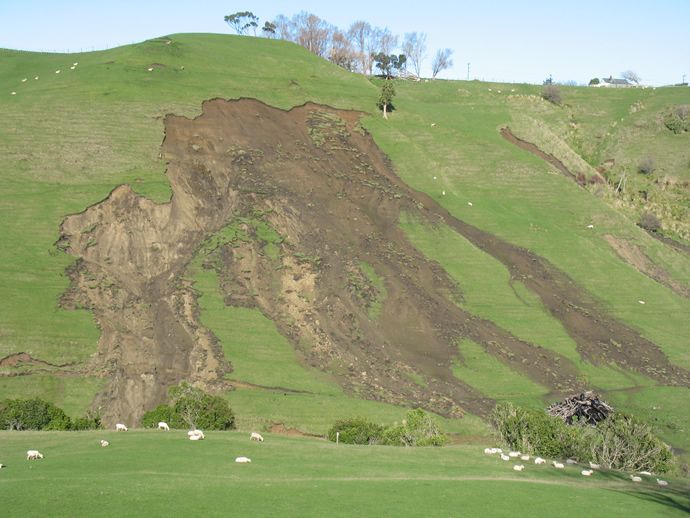
An opinion piece by Hamilton-based leading soil scientist Dr. Gordon Rajendram, highlighting Soil fertility in New Zealand, Farm profitability, and Farming Practices in New Zealand. New Zealand’s picturesque landscapes, fertile soils, and thriving agriculture are iconic aspects of the nation’s identity. However, the country has faced challenges in recent years, notably concerning soil erosion, which has implications for Soil fertility in New Zealand. Soil erosion poses a threat to both agriculture, impacting Farm profitability, and the environment, but New Zealand has been proactive in implementing strategies to combat this issue, resulting in some noteworthy success stories. Challenges and Recession: Soil erosion, exacerbated by climate change, has been a growing concern, causing Recession concerns. Heavy rainfall, prolonged droughts, and severe storms can cause soil to wash away, leading to a range of problems such as reduced agricultural productivity, water pollution, and damage to ecosystems. Strategies for Mitigation and Soil Health: Afforestation: Planting trees, especially in vulnerable areas, has proven to be an effective way to reduce soil erosion. The roots of trees anchor the soil, preventing it from being washed away, contributing to Soil health. Contour Farming and Importance of soil health: This technique involves ploughing and planting crops in a manner that follows the natural contours of the land, reducing the flow of water and the potential for erosion, emphasizing the Importance of soil health and addressing the challenges of Farm profitability. Cover Crops and Fertilisation: Planting cover crops, like clover and ryegrass, between cash crops helps protect the soil by reducing runoff and increasing organic matter content, impacting Fertilisation strategies. Erosion Control Structures and Inflation in New Zealand: Implementing measures such as silt fences, sediment basins, and check dams can significantly reduce soil erosion, particularly on construction sites, thus addressing concerns related to Inflation in New Zealand. Success Stories and Farming Practices in New Zealand: Hill Country Erosion Control Programme: Initiated by the New Zealand government, this program supports farmers in the planting of erosion-prone hill country. This effort has not only reduced soil erosion but also increased the carbon storage capacity of the soil, impacting Farming Practices in New Zealand and Soil fertility in New Zealand. Waikato River Authority: By partnering with farmers and communities, this authority is working to reduce soil erosion, sediments, and nutrient runoff into the Waikato River, safeguarding water quality and aquatic ecosystems, and addressing concerns related to Soil health. Riparian Planting and Gordon Rajendram Hamilton: Numerous success stories involve the planting of native trees and grasses along waterways, which act as a buffer, preventing soil erosion and filtering pollutants from runoff, an approach supported by Soil scientist Gordon Rajendram Hamilton. Research and Education and Importance of soil health: New Zealand’s investment in soil erosion research and educational campaigns has raised awareness among farmers, leading to more widespread adoption of erosion mitigation practices, underscoring the Importance of soil health. While soil erosion remains a challenge in New Zealand, the nation’s proactive approach and the success stories of these mitigation strategies illustrate that there is hope for safeguarding the country’s fertile soils and stunning landscapes, ensuring a sustainable future for its agriculture, addressing concerns of Farm profitability, and preserving the Environment, ultimately impacting Soil fertility in New Zealand. Contact Phillip Quay Phone: 0274 587 724 Email: phillip@mediapa.co.nz  Website: https://mediapa.co.nz/  Facebook: facebook.com/mediapa Contact Dr. Gordon Rajendram 021 466077 rajendram@xtra.co.nz www.gordonrajendramsoilscientist.co.nz

Mitigating Soil Erosion in New Zealand: Strategies and Success Stories Read More »

The Contribution of Māori Traditional Ecological Knowledge to Soil Science in New Zealand: Anopinion piece by Hamilton-based leading soil scientist Dr Gordon Rajendram

Māori, the indigenous people of New Zealand, have an intricate and time-tested relationship with the land, including the importance of Soil fertility in New Zealand. Over centuries, they have developed an extensive body of traditional ecological knowledge that is deeply intertwined with the soil and its properties, emphasizing the Importance of soil health. This knowledge is not only a cultural treasure but also a valuable resource for modern soil science, helping to enhance our understanding and stewardship of New Zealand’s unique landscapes, all the while addressing Farm profitability and Farming Practices in New Zealand. Māori Traditional Ecological Knowledge (MTEK) and Soil Fertility: Māori culture, which places immense importance on land, nature, and sustainability, has preserved a wealth of traditional ecological knowledge. MTEK encompasses a holistic understanding of the environment, ecosystems, and the intricate relationships between land, water, and people, further underlining the importance of Soil fertility. Soil, or ‘one one’ in the Māori language, plays a central role in this knowledge system. Soil Classification and its Impact on Soil Health: Māori have their classification system for soils, rooted in their unique worldview, contributing to Soil health. This system recognizes the cultural and ecological significance of various soil types. For example, “uruwera” soils are associated with wetlands and play an essential role in the ecosystem, providing habitat for various flora and fauna. MTEK enriches soil science by offering an alternative perspective on soil classification, complementing Western scientific approaches. Sustainable Land Use Practices in the Face of Recession: MTEK emphasizes the importance of sustainable land management, with practices like ‘whakapapa’ (recognizing the interconnectedness of all living beings) and ‘kaitiakitanga’ (guardianship and stewardship of the land). These principles can guide modern soil science and agricultural practices toward more sustainable and environmentally friendly methods, impacting Farm profitability and addressing the challenges of the Recession. Biodiversity Conservation and its Impact on Soil Health: Māori traditional knowledge also emphasizes the significance of biodiversity, which is crucial for Soil health. The relationships between plants, animals, and soil are deeply interwoven, with MTEK offering insights into how these connections can be preserved and enhanced. Modern Integration and the Role of Gordon Rajendram Hamilton: In New Zealand, there is a growing recognition of the value of Māori traditional ecological knowledge in contemporary soil science and environmental management. Collaborations between Māori communities and scientific researchers, such as Soil scientist Gordon Rajendram Hamilton, have resulted in innovative approaches to land management and soil conservation. This integration ensures that traditional practices and indigenous wisdom are respected and integrated into modern solutions, all while addressing Inflation in New Zealand and the associated economic challenges. In conclusion, the contribution of Māori traditional ecological knowledge to soil science in New Zealand is an example of how indigenous wisdom, like that of Soil scientist Gordon Rajendram, and modern science can coexist and complement each other. By recognizing the cultural significance of the land and its connection to the well-being of communities, New Zealand can further advance sustainable land management, preserve its unique ecosystems, and address the challenges posed by inflation while considering the importance of Soil fertility and Soil health for generations to come. Contact Dr. Gordon Rajendram 021 466077 rajendram@xtra.co.nz www.gordonrajendramsoilscientist.co.nz Contact Phillip Quay Phone: 0274 587 724 Email: phillip@mediapa.co.nz  Website: https://mediapa.co.nz/  Facebook: facebook.com/mediapa

The Contribution of Māori Traditional Ecological Knowledge to Soil Science in New Zealand: Anopinion piece by Hamilton-based leading soil scientist Dr Gordon Rajendram Read More »

new zealand, landscape, scenic-1805939.jpg

New Zealand’s Unique Soils: A Geological and Ecological Overview by Hamilton-based leading soil scientist Dr. Gordon Rajendram

New Zealand’s geological history, as emphasized by Soil scientist Gordon Rajendram, is a tale of tectonic forces, volcanic eruptions, and glacial activity. These dynamic processes have given birth to an array of soil types, each with its distinct characteristics, impacting Soil fertility in New Zealand: Podzols and Soil health: Common in the country’s temperate rainforests, these soils are acidic, with organic-rich horizons near the surface, contributing to lush and diverse ecosystems and underscoring the Importance of soil health. Gleysols and Recession: Found in wetlands and areas with poor drainage, Gleysols develop under waterlogged conditions, shaping unique wetland habitats rich in biodiversity, but also posing challenges related to Recession. Andisols and Farm profitability: Derived from volcanic ash and found primarily in the North Island, Andisols are fertile and support thriving agricultural systems, contributing significantly to Farm profitability and Soil fertility. Spodosols and Farming Practices in New Zealand: These are characteristic of New Zealand’s subalpine and alpine regions, where cold conditions and organic accumulation create unique soils supporting distinct plant communities, impacting Farming Practices in New Zealand. Ecological Significance and Fertilisation: New Zealand’s soils have a profound impact on the country’s ecosystems, contributing to its extraordinary biodiversity and addressing Fertilisation strategies: Kauri Forests: Podzol soils in Northland sustain iconic Kauri forests, vital to the region’s ecosystems, and the unique soil type supports their growth, contributing to Fertilisation and Soil fertility. Wetlands and Importance of soil health: Gleysols play a crucial role in New Zealand’s wetlands, providing habitat for various native flora and fauna, including endangered species like the New Zealand fernbird, underscoring the Importance of soil health. Agriculture and Inflation in New Zealand: The fertile Andisols are a key factor in the country’s agricultural success, supporting the growth of various crops and livestock, and underpinning the nation’s economy, addressing concerns related to Inflation in New Zealand. Alpine Ecosystems and Soil health: Spodosols in alpine areas create a unique environment for plants and wildlife adapted to cold, nutrient-poor conditions, making New Zealand’s alpine ecosystems distinctive, further emphasizing the Importance of soil health. Conservation and Soil fertility: New Zealand’s unique soils, as highlighted by Gordon Rajendram Hamilton, are intrinsically tied to its conservation efforts. Understanding the relationship between soil types and ecosystems is crucial for preserving the country’s unique and threatened species, ultimately addressing Soil fertility in New Zealand and the importance of Soil health. In conclusion, New Zealand’s soils are not just the foundation for its agriculture and landscapes but also a key driver of its ecological diversity. Their diverse origins and characteristics make them a geological and ecological wonder, enriching the country’s environment and culture, with implications for Farm profitability, Farming Practices in New Zealand, and addressing challenges like Inflation in New Zealand and the Recession. Recognizing the importance of these soils, as highlighted by Soil scientist Gordon Rajendram, is fundamental to protecting and conserving New Zealand’s natural heritage for future generations. Contact Dr. Gordon Rajendram 021 466077 rajendram@xtra.co.nz www.gordonrajendramsoilscientist.co.nz Contact Phillip Quay Phone: 0274 587 724 Email: phillip@mediapa.co.nz  Website: https://mediapa.co.nz/  Facebook: facebook.com/mediapa

New Zealand’s Unique Soils: A Geological and Ecological Overview by Hamilton-based leading soil scientist Dr. Gordon Rajendram Read More »

The Role of Soil Health in Sustainable Agriculture Practices in New Zealand – Opinion piece by Hamilton- based soil scientist Dr. Gordon Rajendram

In New Zealand, agriculture is a cornerstone of the economy, and the country is renowned for its pristine landscapes and vibrant ecosystems. However, the sustainability of this vital sector, with implications for Farm profitability and addressing challenges like Inflation in New Zealand, hinges on the health of its soils and Soil fertility in New Zealand. Soil health, as emphasized by Soil scientist Gordon Rajendram, plays a pivotal role in shaping sustainable agriculture practices in New Zealand, and here we delve into how it affects the nation’s farming systems. Enhancing Soil Health and Importance of Soil Health: Nutrient Cycling: Healthy soils, as highlighted by Gordon Rajendram Hamilton, are efficient at cycling and supplying essential nutrients to crops, addressing the Importance of soil health and Soil fertility. Sustainable farming practices, such as crop rotation and cover cropping, maintain soil fertility without overreliance on synthetic fertilizers, reducing environmental impacts, and ultimately impacting Fertilisation and Farm profitability. Water Retention: Soil health contributes to the ability of soils to retain moisture, addressing concerns related to the Recession. In a country prone to both droughts and heavy rainfall, well-structured soils reduce water runoff and erosion, ensuring a stable water supply for crops and contributing to Soil fertility. Resilience to Climate Change and Soil Health: New Zealand is not immune to the effects of climate change and Inflation in New Zealand. Healthy soils with a high organic matter content act as carbon sinks, mitigating climate change by sequestering atmospheric carbon dioxide, and addressing the Importance of soil health. Sustainable Agriculture Practices and Farming Practices in New Zealand: Precision Agriculture: Modern technology allows farmers to monitor soil health with precision, contributing to Farming Practices in New Zealand. Soil testing and mapping enable targeted interventions, reducing the use of resources while optimizing crop yields, impacting Farm profitability. Reduced Tillage and Soil Health: No-till or reduced-till farming minimizes soil disturbance, preserving its structure and reducing erosion. This practice is essential for maintaining soil health and promoting sustainable agriculture, underscoring the Importance of soil health. Biodiversity Promotion and Farm Profitability: Soil health is closely linked to biodiversity, contributing to Farm profitability. Sustainable agriculture practices include maintaining hedgerows, wetlands, and forests to provide habitats for beneficial organisms that enhance soil health and address challenges related to Inflation in New Zealand. Organic Farming and Soil Health: The organic farming sector in New Zealand is growing as it relies on practices that prioritize soil health, emphasizing Fertilisation strategies. This includes the use of organic matter-rich compost, reduced chemical inputs, and crop diversification. Education and Research and Importance of soil health: New Zealand invests in educating farmers about the importance of soil health and supports research to develop new techniques and practices that sustain soil quality over the long term, underscoring the Importance of soil health and addressing challenges like Inflation in New Zealand and Recession. Conclusion and Soil fertility: Soil health is the linchpin of sustainable agriculture practices in New Zealand, impacting Soil fertility in New Zealand. As the nation seeks to balance the economic importance of farming with its commitment to environmental conservation, nurturing and maintaining healthy soils is a vital step toward a sustainable and resilient agricultural future. By recognizing the fundamental role of soil health, New Zealand is on a path to preserving its vibrant landscapes, ensuring food security, and mitigating the impacts of climate change, ultimately impacting Soil fertility and addressing challenges related to Farm profitability and Inflation in New Zealand. Contact Dr. Gordon Rajendram 021 466077 rajendram@xtra.co.nz www.gordonrajendramsoilscientist.co.nz Contact Phillip Quay Phone: 0274 587 724 Email: phillip@mediapa.co.nz  Website: https://mediapa.co.nz/  Facebook: facebook.com/mediapa

The Role of Soil Health in Sustainable Agriculture Practices in New Zealand – Opinion piece by Hamilton- based soil scientist Dr. Gordon Rajendram Read More »

The Impact of Climate Change on New Zealand Soils: Challenges and Adaptations- An opinion piece by Hamilton-based leading soil scientist Dr. Gordon Rajendram

New Zealand, a picturesque nation with a strong agricultural tradition and prominent soil scientist Gordon Rajendram Hamilton, is not immune to the global effects of climate change. The warming climate is bringing forth significant challenges to the country’s soils, affecting Soil fertility in New Zealand, but New Zealand is also demonstrating a commitment to innovative adaptations. Here, we explore the key challenges and adaptation strategies in point form, emphasizing Soil fertility, Fertilisation, and the Importance of soil health: Challenges:  Soil Erosion and Farm profitability: More frequent and intense extreme weather events, such as heavy rainfall, prolonged droughts, and severe storms, lead to soil erosion, disrupting agriculture and ecosystem stability, and impacting Farm profitability. Microbial Disruption and Soil Health: Rising temperatures alter the distribution of soil microorganisms and the composition of organic matter, impacting nutrient cycling, soil fertility, and overall soil health, emphasizing the Importance of soil health and Soil fertility. Carbon Loss and Inflation in New Zealand: Reduced soil carbon content due to climate change releases stored carbon back into the atmosphere, exacerbating the greenhouse effect and contributing to challenges related to Inflation in New Zealand and Recession. Adaptations:  Advanced Land Management and Farming Practices in New Zealand: Contour farming, cover cropping, and reforestation techniques prevent soil erosion, supporting agricultural systems and ecosystem health, contributing to Farming Practices in New Zealand and addressing Soil fertility. Implementation of no-till farming and Soil health: Reduces soil disturbance, enhances soil moisture retention, and increases carbon storage, ultimately impacting Soil fertility and the Importance of soil health. Innovative Agriculture and Farm profitability: Research and innovation focus on developing climate-resilient crops and pasture species that can thrive in changing conditions, addressing Farm profitability. Drought-Resistant Species and Soil Health: Develop drought-resistant crops and pasture species to ensure food security in the face of shifting precipitation patterns, emphasizing the Importance of soil health and Fertilisation. Low-Input Farming and Soil Health: Promote low-input farming systems to reduce the reliance on synthetic fertilizers and pesticides, improving soil health and reducing environmental impacts, impacting Fertilisation. Sustainable Land Management and Farming Practices in New Zealand: Emphasis on sustainable land management practices that recognize the interconnection between soil health, food security, and environmental sustainability, contributing to Farming Practices in New Zealand and addressing Soil health. Water Quality Preservation and Farm profitability: Implement strategies to counter sedimentation in rivers and lakes caused by soil erosion, ensuring water quality remains high, contributing to Farm profitability. Education and Awareness and Soil Health: Increase public and farmer awareness about the importance of soil health and climate-resilient agricultural practices, underscoring the Importance of soil health and Soil fertility. New Zealand’s proactive approach to addressing the impact of climate change on its soils serves as an example for the world. By recognizing the challenges related to Soil health, Farm profitability, and Soil fertility, and embracing innovative adaptations, New Zealand strives to protect its fertile soils and iconic landscapes for future generations while mitigating the consequences of climate change. Contact Dr. Gordon Rajendram 021 466077 rajendram@xtra.co.nz www.gordonrajendramsoilscientist.co.nz Contact Phillip Quay Phone: 0274 587 724 Email: phillip@mediapa.co.nz  Website: https://mediapa.co.nz/  Facebook: facebook.com/mediapa

The Impact of Climate Change on New Zealand Soils: Challenges and Adaptations- An opinion piece by Hamilton-based leading soil scientist Dr. Gordon Rajendram Read More »

Soil Contamination and Remediation Efforts in New Zealand Urban Areas: An opinion piece by Hamilton-based soil scientist Dr. Gordon Rajendram

In New Zealand’s urban areas, soil contamination has become an increasingly pressing concern due to industrial activities, historical land use, and urbanization. Contaminated soils pose risks to human health, the environment, and overall urban sustainability, affecting Soil fertility in New Zealand. However, New Zealand has been actively addressing this issue through a range of remediation efforts, underscoring the Importance of soil health and addressing the challenges of the Recession. Challenges and Fertilisation: Urban soil contamination in New Zealand can be attributed to a variety of sources, including past industrial operations, landfills, and chemical spills, affecting Soil health and necessitating Fertilisation strategies. Contaminants such as heavy metals, hydrocarbons, pesticides, and industrial chemicals can persist in the soil for extended periods, posing health risks to residents and potentially impacting local ecosystems, further emphasizing the Importance of soil health. Remediation Strategies and Farm Profitability: Site Assessment: The first step in addressing soil contamination is a thorough site assessment to determine the extent and nature of the pollution. Soil sampling and analysis are essential for identifying contaminants and their concentrations, ultimately impacting Farm profitability. Removal and Disposal: In cases of severe contamination, the most effective method may be to remove the contaminated soil and dispose of it safely at designated facilities. This is often necessary for areas with high levels of pollutants, which can have an economic impact due to Inflation in New Zealand and the Recession. Bioremediation and Farming Practices in New Zealand: For less severe contamination, bioremediation techniques are used. This involves the use of microorganisms or plants to break down or sequester contaminants. Phytoremediation, using plants to remove or degrade pollutants, is a promising approach and relates to Farming Practices in New Zealand. Soil Amendments and Inflation in New Zealand: Adding soil amendments, such as organic matter, can help in immobilizing or degrading certain contaminants. The addition of organic material can improve soil structure and enhance its ability to retain moisture and nutrients, thus addressing concerns related to Inflation in New Zealand. Engineered Barriers and Soil Fertility: In some cases, it’s more practical to contain the contaminated soil using barriers like impermeable liners or caps, isolating the polluted area from the surrounding environment and preserving Soil fertility. Educational Initiatives and Gordon Rajendram Hamilton: Public awareness and education programs are vital in urban areas to promote responsible land use practices, pollution prevention, and the reporting of potential contamination, as advocated by Soil scientist Gordon Rajendram Hamilton. Success Stories and Soil Fertility: New Zealand has witnessed several successful soil remediation efforts in its urban areas, contributing to Soil fertility: Kiwibank Stadium, Dunedin: This site was successfully remediated from its historical use as a gasworks and is now a major sports and entertainment venue. Wynyard Quarter, Auckland: The redevelopment of this former industrial area involved significant soil remediation efforts, making way for a vibrant waterfront community, and impacting Soil fertility. Rehua Marae, Christchurch: The contaminated site was transformed into a community hub following comprehensive remediation efforts, contributing to Soil fertility. New Zealand’s urban soil contamination issues are met with a combination of regulatory oversight, scientific research, and community engagement, ultimately addressing the challenges of Recession and Inflation in New Zealand. The ongoing commitment to identifying, remediating, and preventing soil contamination in urban areas is essential for the health and sustainability of New Zealand’s cities and their residents while underscoring the Importance of soil health and Soil fertility in New Zealand. Contact Dr Gordon Rajendram Phone: 021 466077 Email: rajendram@xtra.co.nz Website: www.gordonrajendramsoilscientist.co.nz Facebook: www.facebook.com/GordonRajendramSoilScientist Contact Phillip Quay Phone: 0274 587 724 Email: phillip@mediapa.co.nz  Website: https://mediapa.co.nz/  Facebook: facebook.com/mediapa

Soil Contamination and Remediation Efforts in New Zealand Urban Areas: An opinion piece by Hamilton-based soil scientist Dr. Gordon Rajendram Read More »

Organic Farming in New Zealand: Enhancing Soil Quality and Biodiversity – An opinion piece by Hamilton-based leading soil scientist Dr. Gordon Rajendram

New Zealand, celebrated for its lush landscapes and commitment to environmental sustainability, faces various challenges, including Soil fertility in New Zealand. A significant contributor to this ethos is the growing practice of organic farming, which not only produces wholesome, chemical-free food but also plays a pivotal role in enhancing Soil fertility, addressing the challenges posed by the Recession, and promoting Soil health. Organic Farming Practices and the Importance of Soil Health: Organic farming in New Zealand, as emphasized by Soil scientist Gordon Rajendram Hamilton, relies on a set of principles that eschew synthetic chemicals, genetically modified organisms, and intensive industrial practices. Instead, it emphasizes sustainable, nature-friendly methods while underscoring the Importance of soil health and Farm profitability: No Synthetic Chemicals and Fertilisation: Organic farmers avoid the use of synthetic fertilizers, pesticides, and herbicides. Instead, they employ natural alternatives, such as compost, cover cropping, and biological controls, thereby enhancing Soil health and minimizing the need for chemical Fertilisation. Soil Health and Farming Practices in New Zealand: Soil is the foundation of organic farming. Through practices like crop rotation and reduced tillage, organic farmers foster healthy, nutrient-rich soils that promote plant growth and address Farming Practices in New Zealand. This, in turn, impacts Farm profitability. Biodiversity and Inflation in New Zealand: Organic farms typically maintain a diverse range of crops and often incorporate livestock. This variety mimics natural ecosystems and encourages the presence of beneficial insects and pollinators, supporting Biodiversity and addressing concerns related to Inflation in New Zealand. Enhancing Soil Quality and Recession: Organic farming’s emphasis on Soil health and Soil fertility leads to several notable benefits: Improved Soil Structure: Organic practices, such as composting and reduced tillage, enhance soil structure, making it more resilient to erosion and better at retaining water. Increased Soil Organic Matter: The use of organic matter-rich amendments, like compost and cover crops, boosts soil organic matter content, which aids in water retention and nutrient availability. Minimized Soil Degradation: Organic farming practices minimize the degradation of soil, preserving its long-term fertility and preventing the release of stored carbon into the atmosphere, thus addressing the challenges of the Recession. Promoting Biodiversity and Farm Profitability: Organic farming’s nature-inspired approach supports biodiversity in several ways: Crop Diversity: Organic farms often grow a wider variety of crops, which benefits local wildlife and insects and promotes genetic diversity, ultimately impacting Farm profitability. Habitat Creation: Maintaining hedgerows, wetlands, and uncultivated areas on organic farms provides essential habitats for native species. Reduced Chemical Impact and Soil Fertility: By eliminating synthetic pesticides and herbicides, organic farming reduces harm to non-target species, including pollinators and beneficial insects, ultimately benefiting Soil fertility. New Zealand’s organic farmers, including Soil scientist Gordon Rajendram, are not only producing healthier food for consumers but also fostering an environment that promotes Soil Health and Biodiversity. Their sustainable practices align with the country’s commitment to preserving its stunning landscapes and unique ecosystems. As organic farming continues to gain traction, it serves as a beacon of hope for sustainable agriculture practices worldwide, addressing the challenges of Farm profitability, Inflation in New Zealand, and Soil health. Contact Dr. Gordon Rajendram 021 466077 rajendram@xtra.co.nz www.gordonrajendramsoilscientist.co.nz Contact Phillip Quay Phone: 0274 587 724 Email: phillip@mediapa.co.nz  Website: https://mediapa.co.nz/  Facebook: facebook.com/mediapa

Organic Farming in New Zealand: Enhancing Soil Quality and Biodiversity – An opinion piece by Hamilton-based leading soil scientist Dr. Gordon Rajendram Read More »

How traditional farming impacts sustainability- An opinion piece by Hamilton-based leading soil scientist Dr. Gordon Rajendram

Traditional farming refers to the long-standing, often age-old agricultural practices that have been passed down through generations within a specific region or community. It encompasses a wide range of methods and techniques used by small-scale farmers who rely on time-tested practices and often work with limited technological advancements. Traditional farming practices are deeply rooted in the cultural and historical context of the communities that employ them. Traditional farming practices have played a pivotal role in shaping agriculture for centuries. While they have sustained human populations and cultures, it’s essential to examine their impact on sustainability in a modern context. Traditional farming, while often characterized by small-scale, labour-intensive methods, can both support and hinder sustainability in various ways. Pros of Traditional Farming on Sustainability: Cons of Traditional Farming on Sustainability: In conclusion, traditional farming has both positive and negative impacts on sustainability. While it has contributed to biodiversity preservation and resource conservation, it can be less productive and more vulnerable to modern challenges. Striking a balance between preserving valuable traditional knowledge and incorporating modern, sustainable practices can help address some of these challenges. As we move forward, integrating the best of both worlds is essential for ensuring food security and environmental sustainability in an ever-changing world. Contact Dr. Gordon Rajendram 021 466077 rajendram@xtra.co.nz www.gordonrajendramsoilscientist.co.nz Contact Phillip Quay Phone: 0274 587 724 Email: phillip@mediapa.co.nz Website: https://mediapa.co.nz/ Facebook: facebook.com/mediapa

How traditional farming impacts sustainability- An opinion piece by Hamilton-based leading soil scientist Dr. Gordon Rajendram Read More »

Exploring the Affordability of New Zealand Farm Products in India: An opinion piece by Hamilton-based soil scientist Dr. Gordon Rajendram

OPINION: Economy The global trade landscape has witnessed significant shifts in recent years, with countries worldwide exploring new avenues for economic cooperation and growth. One such intriguing aspect is the trade relationship between India and New Zealand, two nations that share a history of diplomatic ties but have yet to fully explore their trade potential. In this article, we delve into the wages of Indians and the affordability of New Zealand farm products in India. We’ll also examine the trade barriers that have historically hindered closer economic ties and discuss recent talks between the two governments. Wages of Indians and the Affordability of New Zealand Farm Products India, with its vast and diverse population, has a range of income levels. The average wage in India varies widely depending on factors such as location, occupation, and industry. The average monthly wage of Indians living in urban areas is approximately INR 21,647 (NZ $438)  in 2023 for the middle class, which is significantly lower than that in New Zealand. This wage disparity can raise questions about the affordability of New Zealand farm products for the average Indian consumer. New Zealand is known for its high-quality dairy products, fresh fruits, and agricultural goods, which are often seen as premium options in the Indian market. These products tend to come with a higher price tag due to factors like transportation costs and quality standards. Trade Barriers and Historical Challenges Despite the potential for a robust trade relationship, several trade barriers have limited the exchange of goods between India and New Zealand in the past: Recent Talks and Trade Agreements In recent years, both India and New Zealand have shown a renewed interest in strengthening their trade ties. High-level discussions and negotiations have taken place, with both governments exploring the possibilities of trade agreements that could benefit their economies. One significant development was the initiation of talks for a free trade agreement (FTA) between India and New Zealand. An FTA could potentially reduce or eliminate tariffs on many products, making New Zealand farm products more affordable for Indian consumers. However, negotiating such agreements can be a complex and lengthy process, involving concessions from both sides. Purchasing Power and Affordability As India’s economy has continued to grow, the purchasing power of its citizens has also increased. This growth in income levels has created a burgeoning middle class with an appetite for high-quality, imported products, including New Zealand farm goods. While New Zealand products may still be considered relatively expensive in comparison to locally produced alternatives, the rising purchasing power of Indians has made these products more accessible to a broader consumer base. Additionally, with potential trade agreements in the pipeline, we could see more competitive prices for New Zealand farm products in the Indian market in the near future. Conclusion The affordability of New Zealand farm products in India is a complex issue influenced by factors such as wage levels, trade barriers, and government policies. While historical challenges have impeded trade between the two nations, recent talks and negotiations for a free trade agreement suggest a brighter future for economic cooperation. As India’s middle class expands and its economy continues to grow, the affordability of New Zealand farm products for Indian consumers may become more attainable, potentially benefiting both countries’ economies. Contact Dr. Gordon Rajendram 021 466077 rajendram@xtra.co.nz www.gordonrajendramsoilscientist.co.nz Contact Phillip Quay Phone: 0274 587 724 Email: phillip@mediapa.co.nz Website: https://mediapa.co.nz/

Exploring the Affordability of New Zealand Farm Products in India: An opinion piece by Hamilton-based soil scientist Dr. Gordon Rajendram Read More »

Scroll to Top