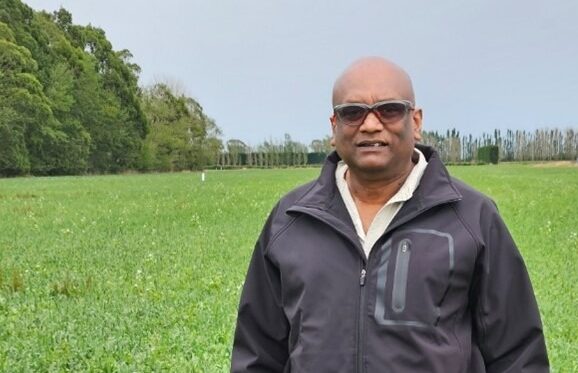
Gordon Rajendram the soil scientist

Phillip

Dr. Gordon Rajendram: Waikato-Based Soil Scientist Navigating the Dynamics of Liming Soil

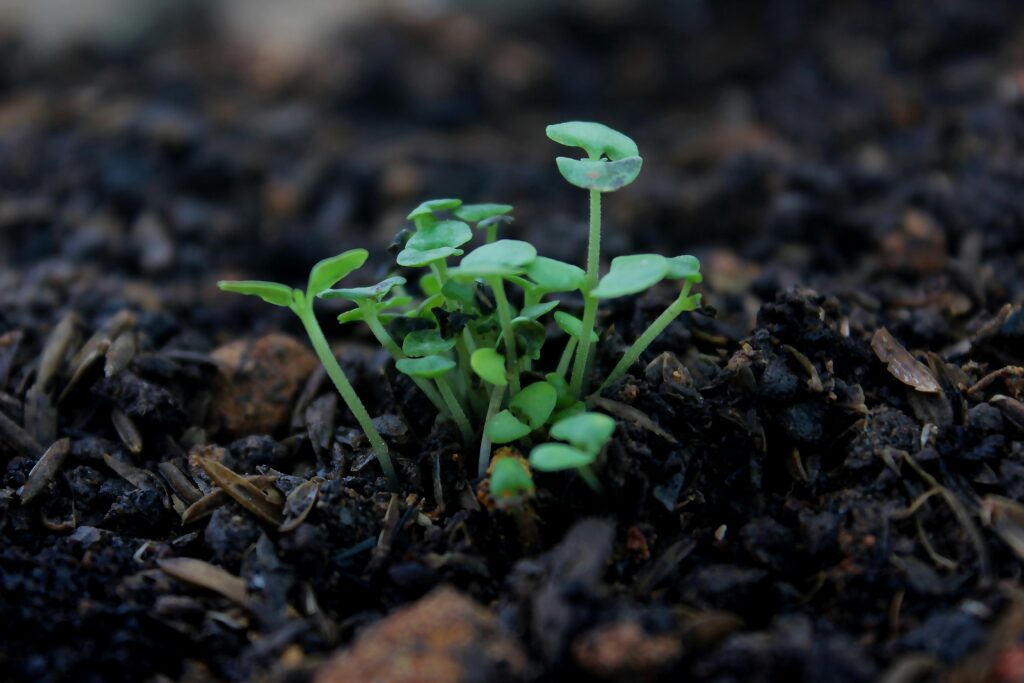
In the heart of New Zealand’s Waikato region, Dr. Gordon Rajendram, a distinguished soil scientist, stands at the forefront of agricultural research, particularly in the realm of soil health. His work not only delves into the intricate science behind liming but also addresses the critical balance between its agricultural benefits and potential environmental repercussions. Liming soil, a practice essential for neutralising acidity and fostering optimal plant growth, has been a focal point of Dr. Rajendram’s extensive research. With a wealth of knowledge cultivated over years of dedicated study, he emphasises, “Liming contributes significantly to soil health and structure, offering a multifaceted approach to sustainable agriculture.” Understanding the science behind liming is imperative for farmers looking to optimise their crop yields. Dr. Rajendram elucidates the relationship between soil pH and nutrient availability, highlighting the role of liming in regulating pH levels. “By stabilising soil pH, liming creates an environment where essential nutrients become more readily available to plants, promoting their overall health and productivity,” he affirms. However, as with any agricultural practice, the benefits of liming must be weighed against potential environmental impacts. Dr. Rajendram acknowledges this delicate balance, stating, “While liming enhances soil fertility, it is imperative to manage its application judiciously to prevent adverse environmental effects.” One notable concern is the risk of nutrient leaching, which can compromise water quality and harm aquatic ecosystems. Sustainable liming practices, guided by thorough soil testing and analysis, offer a solution to this challenge. Farmers, armed with the insights provided by Dr. Rajendram, can adopt responsible practices that align with both agricultural productivity and environmental sustainability. The environmental implications of liming soil underscore the necessity for a nuanced and thoughtful approach. Dr. Gordon Rajendram’s extensive research and dedication to sustainable agriculture not only contribute to the thriving crops of the Waikato region but also serve as a beacon for responsible environmental stewardship. As farmers navigate the dynamics of liming soil, they are guided by the wisdom of a soil scientist committed to the delicate equilibrium between agricultural progress and ecological resilience. Contact Dr Gordon Rajendram 021 466077 rajendram@xtra.co.nz www.gordonrajendramsoilscientist.co.nz Contact Phillip Quay phillip@mediapa.co.nz 027 458 7724 www.mediapa.co.nz
Dr. Gordon Rajendram: Waikato-Based Soil Scientist Navigating the Dynamics of Liming Soil Read More »

Soil Scientist Dr. Gordon Rajendram PhD (Waikato Uni & AgResearch)

Liming Soil for Different Crops: Practical Insights from Waikato – Based Soil Scientist Dr Gordon Rajendram

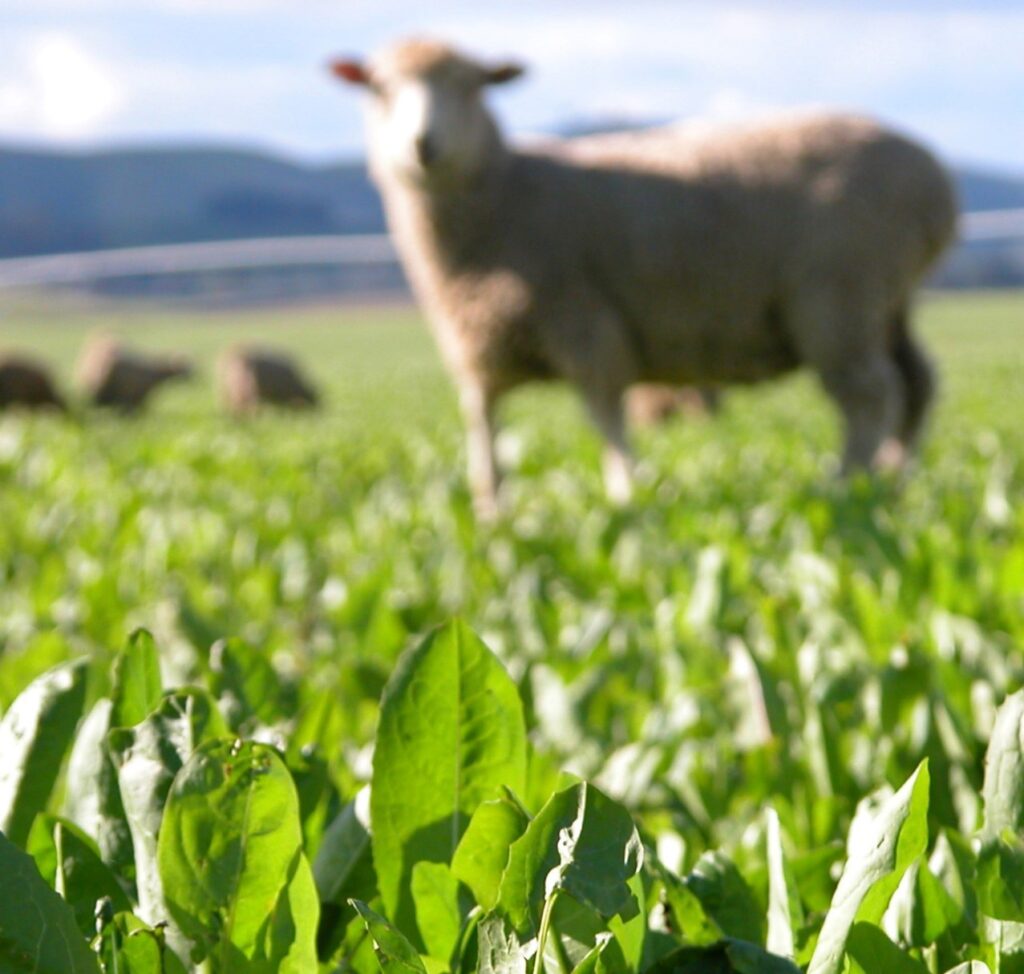
When it comes to liming soil for diverse crops, a personalised approach is not just a suggestion—it’s a practical necessity. Dr. Gordon Rajendram, a seasoned agricultural scientist deeply entrenched in the field, has consistently stressed the importance of understanding the unique needs of each crop. It becomes the key to unlocking the full potential of the harvest. “In the world of agriculture, precision is the best ally. Tailoring liming practices for different crops ensures the creation of an environment where each plant can thrive optimally,” emphasises Dr. Rajendram. Taking potatoes and brassicas as examples—they prefer slightly acidic to neutral soils, while blueberries thrive in a more acidic environment. Aligning liming practices with these preferences is more than just a strategy; it’s a practical way to provide the right conditions for each crop’s success. Timing matters. Some crops benefit from pre-planting liming, while others may need it during the growing season. Crop rotation and historical soil conditions should guide farmers in determining the best time for liming. This practical approach ensures that crops get the lime boost precisely when needed, maximising growth and yield. Farmers should not overlook the quantity of lime applied. Different crops have different tolerance levels to soil acidity, and an excess of lime can upset the balance. Practical farmers rely on soil testing and analysis to pinpoint the exact amount of lime needed for specific crops and soil conditions. In the end, tailoring liming practices is all about practicality and optimisation. It’s about recognising the distinct needs of each crop and making adjustments accordingly. By doing so, farmers aren’t just supporting the health and productivity of their crops—they are embodying practical, sustainable agriculture that respects the individual requirements of diverse plant species. Personalised liming becomes the ticket to a thriving and balanced agricultural ecosystem. Contact Dr Gordon Rajendram 021 466077 rajendram@xtra.co.nz www.gordonrajendramsoilscientist.co.nz Contact Phillip Quay phillip@mediapa.co.nz 027 458 7724 www.mediapa.co.nz
Liming Soil for Different Crops: Practical Insights from Waikato – Based Soil Scientist Dr Gordon Rajendram Read More »

Waikato Based Dr. Gordon Rajendram: Nurturing New Zealand’s Soil with a Personal Touch

Amidst the picturesque landscapes of New Zealand’s agriculture, Dr. Gordon Rajendram stands as a beacon of expertise and commitment in the realm of soil health. Armed with a Ph.D. from Waikato University and a wealth of experience garnered during his 22 years at AgResearch’s Ruakura Research Centre, Dr. Rajendram is a distinguished figure in the field of soil science. A Pioneer in Soil Fertility: Dr. Rajendram, with over 70 publications and six patents to his name, has been at the forefront of soil fertility research in New Zealand. His extensive contributions have been pivotal in advancing the agricultural industry. Notably, during his tenure at AgResearch, he developed two field-calibrated soil tests for Nitrogen and Sulphur, both integral components of the Overseer nutrient model used for agronomic advice nationwide. Personalised Approach: What sets Dr. Rajendram apart is his commitment to a personalised approach in his interactions with farmers. Believing in the importance of face-to-face communication, he continues to visit farms across New Zealand. This personal touch allows him to understand the specific challenges faced by each farmer, ensuring that his recommendations are tailored to their unique needs. Independent Fertiliser Consultant: Dr. Rajendram’s independence is a cornerstone of his consultancy services, bringing over 35 years of experience in analytical testing development, applied research, and consulting to farmers and fertiliser companies. Unlinked to any fertiliser company, he provides farmers with unbiased and expert advice. His dedication to offering the most accurate guidance aligns with his mission to help farmers enhance the quality of their soil and achieve sustainable success. Commitment to Sustainable Agriculture: Dr. Rajendram’s commitment to sustainable farming practices is evident in his research on nutrient leaching, which has been incorporated into the Overseer nutrient model. This dedication extends beyond the laboratory, as he actively works towards helping New Zealand farmers maximise their soil potential for increased efficiency, sustainability, and profitability. Conclusion: In the dynamic landscape of New Zealand agriculture, Dr. Gordon Rajendram’s journey from pioneering soil fertility research to independent consulting showcases a lifelong commitment to the betterment of farming practices. His invaluable contributions, personalised approach, and unwavering dedication to sustainability make him a trusted advisor for farmers seeking to unlock the full potential of their soil for a more efficient, sustainable, and profitable future. Contact Dr Gordon Rajendram 021 466077 rajendram@xtra.co.nz www.gordonrajendramsoilscientist.co.nz Contact Phillip Quay 027 458 7724 phillip@mediapa.co.nz www.mediapa.co.nz

Waikato Based Dr. Gordon Rajendram: Nurturing New Zealand’s Soil with a Personal Touch Read More »

Advancing Sustainable Agriculture in New Zealand: Dr. Gordon Rajendram and Agraforum Present EL-I Tech’s Biodynamic Nitrogen

In the pursuit of sustainable agricultural practices, Dr. Gordon Rajendram, a Hamilton-based soil scientist, in collaboration with Agraforum of Ashburton, introduces EL-I Tech’s Biodynamic Nitrogen (Bio N) as a groundbreaking biological approach to address nitrogen deficiency in New Zealand soils. This innovative approach to nitrogen fixation, pioneered in South Africa by Gerhard Vermaak and dubbed EL-I Tech involves the application of microbes and substrate through foliar spraying, facilitating the biological fixation of nitrogen from the atmosphere for plant utilisation. The trials, conducted in collaboration with Agraforum, took place on three dairy farms in mid-Canterbury from early November 2023 to the end of January 2024, spanning a 12-week period. The comprehensive study aimed to evaluate the efficacy of Bio N in comparison to traditional synthetic nitrogen (urea), focusing on pasture growth, cost-effectiveness, and environmental impact. On Eiffleton farm, where both Bio N and Urea were applied, Dr. Gordon Rajendram observed that Bio N exhibited comparable daily growth rates to Urea over a 9-week period. Moreover, the total pasture produced using Bio N slightly surpassed that of Urea, demonstrating its effectiveness in sustaining pasture growth. Farm 1: Eiffleton farm Table 1c: Total pasture produced over a 63-day period (kg dry matter/hectare) Bio N (kg DM/hectare) Urea (kg DM/hectare) 5103 4977 Similarly, on Farm 2 Maronan farm, Bio N, applied only once on 8th November 2023, demonstrated competitive growth rates with Urea over an 11-week period. The total pasture produced with Bio N exceeded that of Urea, showcasing its potential for cost-effective pasture management. Farm 2: Maronan Farm Table 2c: Total pasture produced over a 77-day period (kg dry matter/hectare) Time Bio N (kg DM/hectare) Urea (kg DM/hectare) 77 days 6160 5698 On the Alford Forest Area farm, where Bio N was applied only once on 27th November 2023, the results were consistent. Bio N offered comparable growth rates and kept a consistent total pasture production alongside Urea over 8 weeks. Farm 3: Alford Forest Area Table 3c: Total pasture produced over a 64-day period (kg dry matter/hectare) Time Bio N (kg DM/hectare) Urea (kg DM/hectare) 64 days 3712 3968 The collaborative efforts of Dr. Gordon Rajendram and Agraforum underscore that Bio N not only matches Urea in pasture growth but also requires only one application compared to multiple rounds of Urea. Additionally, the cost of producing pasture with Bio N is lower than that of Urea, making it an economically viable alternative. The potential environmental benefits, such as reduced greenhouse gas emissions and carbon footprint, are acknowledged, although further research is needed for a comprehensive evaluation. In conclusion, EL-I Tech, presented by Dr. Gordon Rajendram and Agraforum, Biodynamic Nitrogen emerges as a promising biological solution for overcoming nitrogen deficiency in New Zealand soils, providing sustainable and cost-effective alternatives to traditional synthetic nitrogen applications. Photo: “Bio N applied on this pasture.  Visually, Where Bio N is applied in paddocks, I found the pasture cover over the paddock is very uniform. i.e. urine patches did not stick out.” – Dr Gordon Rajendram Contact Agraforum 0800 488 118 allan@agraforum.co.nz www.agraforum.co.nz/contact-us Contact Dr Gordon Rajendram 021 466077 rajendram@xtra.co.nz www.gordonrajendramsoilscientist.co.nz Contact Phillip Quay 027 458 7724 phillip@mediapa.co.nz www.mediapa.co.nz

Advancing Sustainable Agriculture in New Zealand: Dr. Gordon Rajendram and Agraforum Present EL-I Tech’s Biodynamic Nitrogen Read More »

Soil Testing and Analysis Techniques for New Zealand Farmers and Gardeners

An opinion piece by Hamilton-based soil scientist Dr. Gordon Rajendram In New Zealand, where agriculture and gardening are vital components of the economy and lifestyle, understanding and optimizing soil health, including soil fertility in New Zealand, is crucial for successful crop production and gardening. Soil testing and analysis are powerful tools that provide valuable insights into soil composition, nutrient levels, and other critical factors that influence plant growth. Here, we explore some key techniques for soil testing and analysis that benefit New Zealand’s farmers and gardeners while addressing the importance of soil health, farm profitability, and farming practices in New Zealand. Soil Sampling: The process begins with soil sampling, where small samples are collected from various locations in the garden or field. Sampling should be representative of the entire area and consider variations in soil types. Soil pH Testing: Soil pH is a fundamental parameter that determines nutrient availability. In New Zealand, the optimal pH range varies depending on the crop or plant, but most prefer slightly acidic to neutral soils. Soil pH can be measured using pH testing kits or digital pH meters. Nutrient Analysis and Fertilisation: New Zealand soils can be nutrient deficient, and nutrient analysis is essential to understand what fertilizers or soil amendments are needed. Standard soil tests assess essential nutrients like nitrogen, phosphorus, and potassium, but micronutrients like copper, boron and zinc should also be considered. Organic Matter and Texture: Determining the organic matter content of the soil and its texture (sandy, loamy, clayey) provides insights into soil structure and water retention. Organic matter content is crucial for fertility, and the right texture is essential for root development. Cation Exchange Capacity (CEC): CEC reflects the soil’s ability to retain and exchange cations (positively charged ions). Understanding CEC helps in optimizing nutrient management and reducing leaching. Soil Microbiology and Soil Health: Assessing the soil’s microbial activity, including the presence of beneficial mycorrhizal fungi, can provide insights into the biological health of the soil. Soil Contaminant Testing: In urban or industrial areas, soil contamination can be a concern, and testing for heavy metals or other contaminants is essential for ensuring food safety and environmental health. Comprehensive Analysis and Inflation in New Zealand: Many soil laboratories in New Zealand offer comprehensive soil analysis services, providing a full picture of soil health and recommendations for soil amendments. Addressing inflation in New Zealand’s agriculture sector is vital for maintaining farm profitability. Once the soil analysis is complete, farmers and gardeners can make informed decisions about soil amendments, organic matter additions, and nutrient management strategies. Regular testing and analysis are essential to monitor changes in soil health over time and make necessary adjustments to optimize plant growth and crop yields. In conclusion, soil testing and analysis techniques, as advocated by soil scientist Gordon Rajendram, are invaluable tools for New Zealand farmers and gardeners. By understanding the unique characteristics of their soil, they can implement sustainable and productive agricultural and gardening practices, contributing to the success of New Zealand’s vital agricultural sector and the beauty of its gardens. Contact Dr Gordon Rajendram 021 466077 rajendram@xtra.co.nz www.gordonrajendramsoilscientist.co.nz Contact Phillip Quay Phone: 0274 587 724 Email: phillip@mediapa.co.nz  Website: https://mediapa.co.nz/  Facebook: facebook.com/mediapa

Soil Testing and Analysis Techniques for New Zealand Farmers and Gardeners Read More »

The Importance of Mycorrhizal Fungi in New Zealand’s Native Ecosystems: Emphasising Soil Fertility and Farming Practices

An opinion piece by Dr Gordon Rajendram New Zealand’s native ecosystems are renowned for their uniqueness and biodiversity, and a hidden but crucial player in these ecosystems is mycorrhizal fungi, which plays a significant role in soil fertility in New Zealand. These remarkable organisms form symbiotic relationships with plants, aiding in nutrient uptake, disease resistance, and overall ecosystem health, underscoring the Importance of soil health. In New Zealand, mycorrhizal fungi are particularly important for the vitality of the country’s native flora and Farm profitability. Symbiotic Partners and Soil Health: Mycorrhizal fungi, as highlighted by soil scientist Dr Gordon Rajendram, Hamilton, establish mutually beneficial partnerships with the roots of most plant species in New Zealand. There are two primary types of mycorrhizal associations: ectomycorrhizal (EM) and arbuscular mycorrhizal (AM). Both types play vital roles in native ecosystems, enhancing soil health: Ectomycorrhizal (EM) Fungi: These fungi form a sheath around the roots and assist in nutrient absorption, particularly in tree species like the iconic New Zealand kauri, beech, and pine. EM fungi enhance the ability of these trees to extract nutrients from the soil, promoting their growth and survival, and contributing to soil fertility in New Zealand. Arbuscular Mycorrhizal (AM) Fungi and Fertilisation: These fungi penetrate the root cells of herbaceous plants, shrubs, and many native species. They provide a range of benefits, including improved access to essential nutrients like phosphorus, enhanced tolerance to environmental stress, and resistance to pathogens, impacting Fertilisation strategies. Biodiversity and Ecosystem Health and Recession: The importance of mycorrhizal fungi in New Zealand’s native ecosystems cannot be overstated. These fungi contribute to biodiversity and ecosystem health, addressing the challenges of Recession: Nutrient Cycling and Inflation in New Zealand: Mycorrhizal fungi aid in nutrient cycling by improving plant nutrient acquisition. This facilitates the growth of a diverse array of plant species and enhances the overall health of the ecosystem. Plant Succession and Farming Practices in New Zealand: In disturbed areas, mycorrhizal fungi play a vital role in the facilitation of plant succession, allowing for the recovery of native vegetation and the restoration of ecosystem functions, impacting farming practices in New Zealand. Erosion Control and Farm profitability: The establishment of mycorrhizal associations contributes to improved soil structure and stability, reducing soil erosion in native ecosystems, ultimately affecting farm profitability. Resilience to Climate Change and Soil Health: Mycorrhizal fungi can enhance plant resilience to changing environmental conditions, such as drought or altered soil chemistry, helping native species adapt to climate change while addressing soil health. Recognising the importance of mycorrhizal fungi in New Zealand’s native ecosystems, especially regarding soil fertility in New Zealand, is fundamental to the conservation and restoration of these unique environments. Protecting the health of these symbiotic relationships contributes to the preservation of the country’s unparalleled biodiversity and the sustainability of its ecological treasures. As New Zealand continues its efforts in ecosystem conservation, the role of mycorrhizal fungi remains a pivotal piece of the puzzle in maintaining the health of its native flora. Contact Dr Gordon Rajendram 021 466077 rajendram@xtra.co.nz www.gordonrajendramsoilscientist.co.nz Contact Phillip Quay Phone: 0274 587 724 Email: phillip@mediapa.co.nz  Website: https://mediapa.co.nz/ Facebook: facebook.com/mediapa

The Importance of Mycorrhizal Fungi in New Zealand’s Native Ecosystems: Emphasising Soil Fertility and Farming Practices Read More »

Ashburton-based Agraforum NZ are Ready to Bring their Science and Products to The Southern Field Days next month.

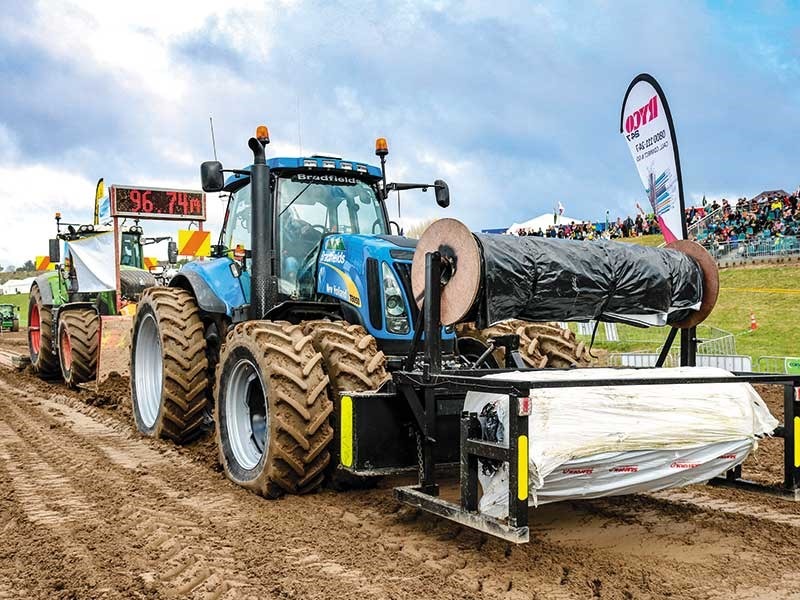
The countdown is underway as Agraforum NZ gears up for its inaugural appearance at the Southern Field Days next month where it will not just be about showcasing revolutionary products; but also a vision that goes beyond economic benefits. This also marks a momentous return for the three-day Southern Field Days after a four-year hiatus. The transformation of the Waimumu site from sheep paddocks to a bustling venue with over 700 exhibitors has officially commenced. “Part of what we do is for the good of the land, it’s a great country we have here,” emphasises Agraforum’s managing director, Allan Piercy. In a country as remarkable as New Zealand, Agraforum recognises the importance of stewardship for sustainability, and their products extend beyond providing economic advantages. The agricultural solutions offered by Agraforum come with compliance and environmental pluses, contributing to an approach that benefits both farmers and the environment. The Southern Field Days, scheduled for February 14-16 , at Waimumu near Gore, is a key event that draws farmers, industry professionals, and agricultural enthusiasts from across the region. Agraforum’s participation in this prestigious event underscores their commitment to engaging with the farming community, sharing insights, and fostering a dialogue about the future of agriculture. Beyond the economic benefits, Agraforum’s mission is simple yet profound: they want farmers to see better results through products firmly rooted in proven science. The focus on science underscores the commitment to delivering solutions that are not just innovative but also backed by rigorous research and testing. The Southern Field Days promise not only a showcase of innovative agricultural solutions but also a dynamic program for attendees. Starting on Wednesday, 14th February, with the Tractor Pull Briefing at 8:30 am, the event includes Tractor Pull Heats, Farm Innovation Awards judging, and a Chairman and Mayoral Welcome, offering a day packed with agricultural insights and entertainment. Thursday brings more excitement with the Tractor Pull and the NZFC South Island Doubles Fencing Competition, concluding with a family-friendly Kids Colouring in Competition prize-giving. The final day, Friday, features presentations, the highly anticipated Tractor Pull Final, and the thrilling Speedshear event at the MLT Bar. This diverse program ensures a captivating experience for all attendees. As Agraforum steps onto the stage at the Southern Field Days, visitors can expect more than just a display of products; they can anticipate a conversation about the future of farming—one that prioritises sustainability, compliance, and, above all, better results for those who work the land. Agraforum is not just joining an event; they are contributing to a narrative that shapes the future of agriculture in New Zealand. Wednesday 14th February 2024 8.30am – Tractor Pull Briefing (Times may vary due to the weather. Listen to the PA) 9.00am – Tractor Pull Heats 9.00am – Farm Innovation Awards – Judging begins 11:00am – Chairman & Mayoral Welcome in front of Office Thursday 15th February 2024 8.30am – Tractor Pull Briefing (Times may vary due to the weather. Listen to the PA) 8.30am – NZFC South Island Doubles Fencing Competition (Judges Briefing) Demonstration Area. South Islands leading fencers are lining up to compete in this national level fencing competition. 9.00am – Tractor Pull Heats 11:30am – Prize giving for Kids Colouring in Competition out the front of the office Friday 16th February 2024 12:00pm – Presentations in front of the Office. 1:00pm – Tractor Pull Final (approximate, listen to the P.A.) 2:30pm – Speedshear (at the MLT Bar) Check out Agraforums updated website to learn more about what they can bring to the table. http://www.agraforum.co.nz Southern Field Days www.southernfielddays.co.nz Contact Agraforum Mobile: 0274 485 159Email: allan@agraforum.co.nz www.agraforum.co.nz Contact Phillip Quay phillip@mediapa.co.nzP: 0274 587 724www.mediapa.co.nz

Ashburton-based Agraforum NZ are Ready to Bring their Science and Products to The Southern Field Days next month. Read More »

Ashburton’s Agraforum’s Revolutionary Products: Cultivating Prosperity from the Ground Up

In the world of agriculture, Agraforum stands out as a beacon of innovation, offering a suite of groundbreaking products designed to transform the way we nurture our crops. With a focus on enhancing soil health and plant metabolism, Agraforum’s offerings are ushering in a new era of sustainable and high-yield farming. EnviroCal, a key player in Agraforum’s arsenal, introduces ionised calcium to the soil, triggering swift transformations in both soil structure and plant metabolism. Thus deepening the the aerobic zone and improving water holding capacity. The result is a cascade of benefits, including stimulated growth of soil microbes, and improved overall plant health. This, in turn, translates to higher-quality feed and less irrigation needed. ComCat takes a natural approach by activating growth and defense mechanisms within plants. Boosting the communication of genetic messages, and bolstering resistance to diseases and pests as well as accelerating root and leaf growth. Meanwhile, ZumSil provides a shield against insects, diseases, and water stress, improving mineral uptake and soil texture. Peptonic steps in with concentrated minerals, fortifying plants against extreme weather conditions and optimizing photosynthesis and flowering.  ReSTORE, another gem in the Agraforum collection, is the remedy for plants damaged by herbicides, ensuring optimal growth and reducing susceptibility to alternative yields. Crop Candy, with its focus on photosynthesis, even flowering, and metabolism, minimises stress in plants. ERGO CALF Shed Spray addresses respiratory health in calves, reducing mortality and ammonia levels without disrupting livestock. ECO Flush targets pond health, reducing solids and unpleasant odors, ensuring efficient nutrient absorption when irrigated back onto the farm. Due to the break down nature, cleaning of effluent ponds will be unecessary. MSR plays a pivotal role in increasing mineral content, revitalise depleted soil, supply phosphates to enhance yields, and reduce reliance on conventional chemicals. Containing 74 of the 121 available minerals in the world, this product takes care of mineral deficiency in the soil.  AnnGro serves as a water soluble uptake enhancer, aiding in the affect of substances like pesticides and liquid nutrients. This innovative solution empowers farmers to efficiently boost their mineral uptake and effectiveness of sprays. Agraforum’s commitment to sustainable agriculture is evident in its comprehensive product lineup, promising not just increased yields but a healthier and more resilient farming ecosystem. As we navigate the challenges of modern agriculture, Agraforum’s revolutionary products serve as a beacon, pointing the way to a greener, more prosperous future. Contact Agraforum Mobile: 0274 485 159Email: allan@agraforum.co.nz www.agraforum.co.nz Contact Phillip Quayphillip@mediapa.co.nzP: 0274 587 724www.mediapa.co.nz

Ashburton’s Agraforum’s Revolutionary Products: Cultivating Prosperity from the Ground Up Read More »

Agraforum NZ from Ashburton Are Set to Make Waves as First-Time Exhibitors at Waimumu Southern Field Days

It’s been a long-awaited moment for exhibitors and enthusiasts alike as the Southern Field Days site in Waimumu gears up for a spectacular event after a four-year hiatus. With anticipation building, Agraforum NZ is ready to make its mark as a first-time exhibitor at one of Southland’s biggest gatherings. Southern Field Days President Steve Henderson expressed his excitement, stating, “Everything’s going bloody good, the committee’s working away getting things done, and we’re looking forward to a great event for exhibitors and the public.” After the cancellation in 2020 due to the Covid-19 pandemic, this year’s event is nearly sold out, with a waiting list for exhibitors and an estimated 700 expected to participate. In a climate where economic recovery is a top priority, the Southern Field Days offer a valuable platform for businesses and farmers. The public can conveniently navigate the event using an app to locate specific exhibitors. Additionally, Spark and OneNZ are installing temporary cell towers to enhance internet access, ensuring a seamless experience for attendees. While acknowledging the challenges faced by farmers in recent years, Henderson remains optimistic about the event’s impact. “Farmers will definitely be looking for deals, and it will be a good chance for them to get off the farm and catch up with people and have a yarn.” Gore Mayor Ben Bell, attending the Southern Field Days for the first time, anticipates substantial economic benefits for eastern Southland. With approximately 700 exhibitors, the event is poised to bring in a significant boost, comparable to the annual Tussock Country event, contributing around $2 million to the local economy. Visitors to the Southern Field Days are invited to explore Agraforum’s exhibit and engage with experts to learn how their innovative products have redefined farming outcomes in New Zealand and beyond. As a first-time exhibitor, Agraforum brings not only revolutionary products but also a legacy of agricultural excellence that has shaped farming practices worldwide. For those eager to witness the future of farming, Agraforum’s debut at the Southern Field Days promises to be a must-attend showcase of cutting-edge technology and insights shaping the agricultural landscape. Check out Agraforums updated website to learn more about what they can bring to the table. http://www.agraforum.co.nz Southern Field Days www.southernfielddays.co.nz Contact Agraforum Mobile: 0274 485 159Email: allan@agraforum.co.nz www.agraforum.co.nz Contact Phillip Quayphillip@mediapa.co.nzP: 0274 587 724www.mediapa.co.nz

Agraforum NZ from Ashburton Are Set to Make Waves as First-Time Exhibitors at Waimumu Southern Field Days Read More »

Hamilton-based Soil Scientist Dr Gordon Rajendram States The Importance of Liming Your Land

In the heart of New Zealand’s scenic Hill Country, where lush pastures meet rolling landscapes, lies a crucial yet often overlooked factor in farm management—liming. Dr. Gordon Rajendram, a prominent Hamilton-based Soil Scientist, emphasises the pivotal role of lime application in transforming agricultural outcomes. This article explores the multifaceted benefits of liming, drawing on Dr. Rajendram’s expertise and insights garnered over years of scientific research. Increased Pasture Production The primary objective of lime application in agriculture is to boost pasture production. By elevating soil pH, lime catalyses a cascade of effects on major and trace elements, including nitrogen, calcium, magnesium, molybdenum, manganese, boron, zinc, and aluminium. Dr. Rajendram notes that lime has a ‘phosphate sparing effect’ under specific conditions, enhancing the availability of essential nutrients. Furthermore, liming improves soil physical structure and moisture retention. The positive impact extends to soil fauna, particularly earthworms and nitrogen-fixing bacteria, working synergistically to significantly increase pasture production. Scientific Trials Proving the Power of Lime Over the last six decades, extensive scientific research, including trials by M.A.F., D.S.I.R., and universities such as Massey and Lincoln, has underscored the profound impact of lime on pasture production. Trials in Northland, such as the Kamo, Waiotira-Gunson, and Lovegrove trials, revealed substantial increases in production ranging from 15% to an impressive 31% through liming. These trials, conducted on diverse pasture types, showcase lime’s versatility in enhancing productivity across varied farming conditions. The trials in Northland have enabled the prediction of pasture responses based on initial soil pH and lime application quantity. Dr. Rajendram emphasises the importance of reaching an optimum pH level (6.0-6.2) promptly for enhanced pasture responses. Figures derived from the Lovegrove trials provide a visual representation of pasture responses across a pH range, offering farmers insights into expected outcomes based on their specific conditions. Improving Soil Moisture and Structure Liming, as Dr. Rajendram explains, plays a crucial role in increasing soil moisture levels, particularly after rainfall in March-April. The Whatawhata Hill Research Centre showcased a tripling of herbage yield within two years through lime application, emphasising the significant impact on soil moisture content. Farmers have long acknowledged the positive influence of lime on heavy soils, as it reduces stickiness, lightens cultivation, and facilitates the breakdown of clods. Dr. Rajendram attributes these improvements to increased bacterial activity, promoting organic matter decomposition and soil crumb formation, with a notable indirect benefit being the substantial increase in earthworm numbers and activity. Earthworm Activity and Beneficial Effects Casting earthworms, vital for soil health, respond favourably to liming as it supplies essential calcium, leading to increased earthworm production and activity. Trials indicate significant increases in earthworm numbers, with the potential to double or even triple infiltration rates of rainwater. Earthworms, integral to nutrient recycling and improved soil structure, contribute to a 72% increase in spring pasture production. Their activities enhance water infiltration, reduce runoff, erosion, and flooding, and increase nutrient availability in the soil. Liming emerges as a catalyst for the proliferation of beneficial earthworm species. Financial Challenge While the benefits of liming are unequivocal, Dr. Rajendram acknowledges the challenges faced by New Zealand farmers. Many Hill Country farms grapple with alarmingly low soil pH levels, impacting pasture production and clover growth. The cost of lime application, especially through aerial methods, poses a financial barrier. Dr. Rajendram urges farmers to adopt a long-term plan, combining lime and fertiliser application within budget constraints. Soil and Pasture Testing The solution, Dr. Rajendram asserts, lies in comprehensive soil and pasture testing. Understanding the specific mineral needs of the soil enables informed decision-making, ensuring optimal lime and fertilizer application. Expert advice, aligned with a strategic plan, becomes paramount in addressing soil acidity and fostering sustainable farming practices. Contact Dr Gordon Rajendram 021 466077 rajendram@xtra.co.nz www.gordonrajendramsoilscientist.co.nz Contact Phillip Quay phillip@mediapa.co.nz 027 458 7724 www.mediapa.co.nz
Hamilton-based Soil Scientist Dr Gordon Rajendram States The Importance of Liming Your Land Read More »

Scroll to Top