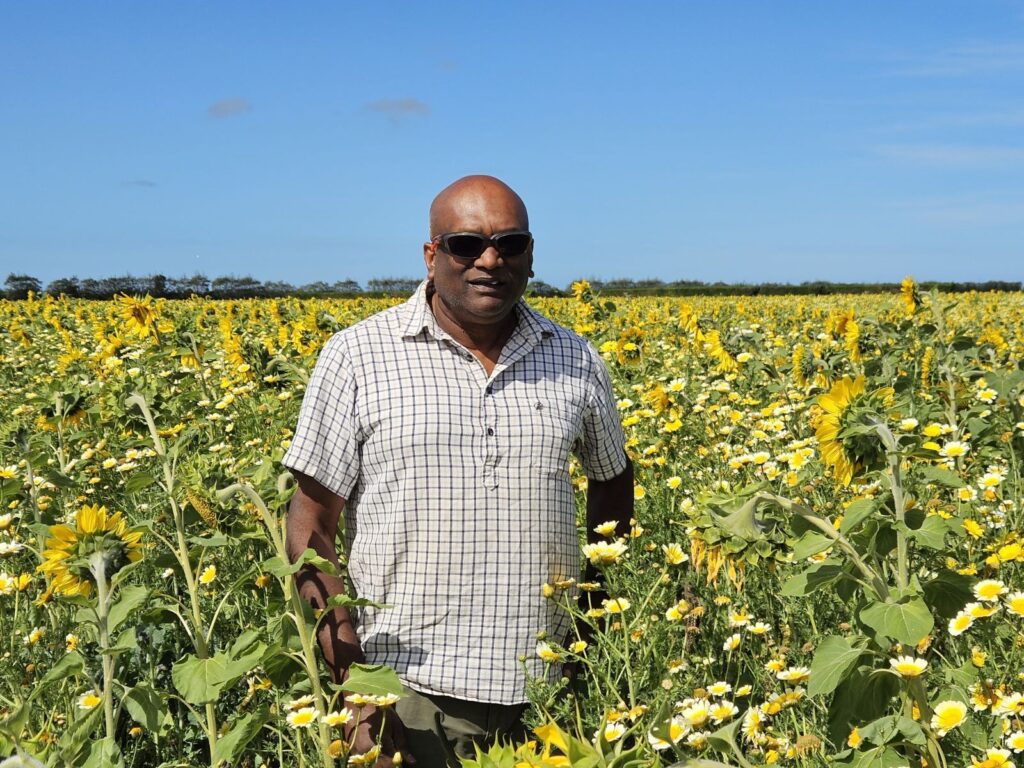
Gordon Rajendram the soil scientist

Phillip

Dr. Gordon Rajendram, a Prominent New Zealand Soil Scientist Based in Hamilton, Delves Into the Crucial Role of Phosphate in Maintaining Soil Fertility

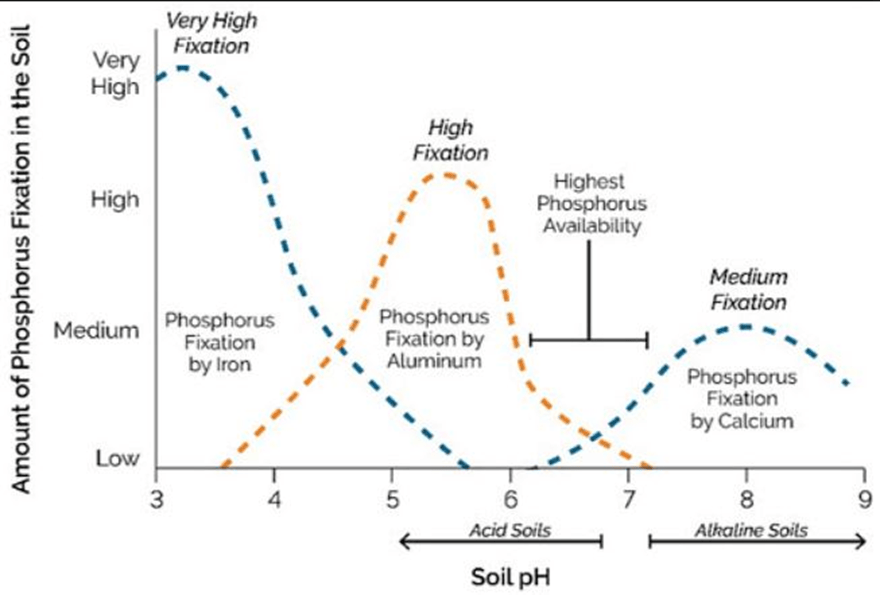
In New Zealand, where farming practices are integral to the economy and food production, soil fertility plays a pivotal role in determining the success of agricultural endeavours. However, amidst economic challenges such as recession and inflation, ensuring optimal soil health becomes even more imperative for farmers striving to maintain productivity and profitability. Phosphate, a key component of soil fertility, serves as a vital nutrient for plant growth and development. Its presence in the soil is essential for facilitating various biochemical processes necessary for crop production and pasture growth. Through soil testing and fertiliser recommendations, experts like Dr Rajendram help farmers assess and address deficiencies in phosphate levels, ensuring that their land remains fertile and productive. “Phosphate, the silent hero beneath our feet, holds the key to unlocking the potential of our soil. In a world of economic uncertainties, its role in maintaining soil fertility becomes paramount. By nurturing this vital nutrient, we not only cultivate bountiful harvests but also sow the seeds of sustainability for generations to come.” – Dr. Gordon Rajendram By maintaining adequate phosphate levels in the soil, farmers can optimise nutrient uptake by crops and pastures, leading to improved yields and enhanced animal nutrition. Pasture testing and feed analysis further aid in fine-tuning nutrient management strategies, ensuring that livestock receive balanced diets essential for growth and performance. Moreover, prioritising soil health and nutrient management not only benefits farm profitability but also contributes to environmental sustainability. By minimising the use of excess fertilisers and adopting precision farming practices, farmers can reduce their environmental footprint and mitigate the risk of nutrient runoff into waterways. Dr. Gordon Rajendram’s expertise in soil science and agricultural practices underscores the importance of proactive soil management in optimising farm productivity and sustainability. Through ongoing research and education initiatives, he continues to empower farmers with the knowledge and tools needed to safeguard soil health and enhance agricultural resilience in the face of evolving challenges. In conclusion, phosphate stands as a cornerstone of soil fertility, supporting vibrant farming ecosystems and ensuring food security for future generations. By heeding the insights of leading soil scientists like Dr Rajendram and prioritising soil health in farming practices, New Zealand farmers can navigate economic fluctuations while fostering a more sustainable and prosperous agricultural landscape. Contact Dr. Gordon Rajendram Soil Scientist Soil Fertility, Agronomy & Farm Environmental Consultant 021 466077 rajendram@xtra.co.nz www.gordonrajendramsoilscientist.co.nz ‘Bringing science to the farm ‘ Contact Media PA 027 458 7724 phillip@mediapa.co.nz www.mediapa.co.nz

Dr. Gordon Rajendram, a Prominent New Zealand Soil Scientist Based in Hamilton, Delves Into the Crucial Role of Phosphate in Maintaining Soil Fertility Read More »

Exploring Soil Structure and Its Impact on New Zealand’s Agriculture by Dr. Gordon Rajendram, Leading Soil Scientist

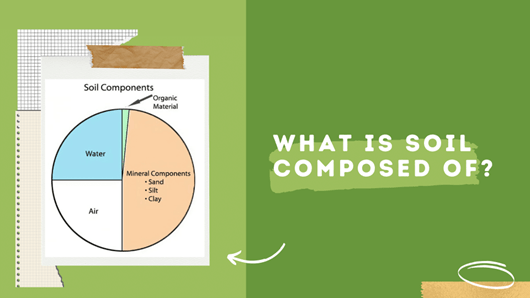
Soil structure plays a pivotal role in determining the agricultural productivity and sustainability of New Zealand’s diverse landscapes. Dr. Gordon Rajendram, a leading soil scientist, examines how the structural integrity of soil affects everything from water retention and drainage to root development and nutrient uptake. Understanding these differences is crucial for effective farm management and long-term soil health. In New Zealand, soil structure varies significantly not only between the volcanic soils in regions such as Waikato and Taranaki, and the sedimentary soils found predominantly in areas like Canterbury but also across other soil types such as peaty soils in wetter regions and clay soils in drier areas. Volcanic soils benefit from a loose, porous structure due to the presence of allophane, a mineral that not only enhances soil stability but also aids in significant carbon storage, with carbon levels reaching 10-12%, thereby enriching the soil’s organic content. This structure promotes excellent water retention and nutrient availability, making these soils ideal for high-demand agricultural activities, such as dairy farming. Conversely, sedimentary soils present different challenges. Dr. Rajendram explains, “Sedimentary soils tend to be denser and can suffer from compaction more easily, which reduces aeration and negatively impacts root penetration and moisture permeability.” These soils typically have lower organic matter content, generally around 3-5% carbon, making them more prone to degradation. which can lead to faster degradation and fertility loss over time if not managed correctly. Peaty soils, while excellent for specific horticultural uses due to their high organic matter content, require careful water management to prevent over-saturation, which can suffocate plant roots. Similarly, clay soils, known for their ability to retain water, are advantageous in drier regions but can become hard and crack when dry, posing challenges for root growth and soil aeration. Effective management practices are essential for maintaining the health of all these soil types. Dr. Rajendram highlights that strategies such as regular soil testing, appropriate crop rotation, and the careful application of organic amendments are vital. For volcanic soils, maintaining the structural integrity involves minimal tilling and controlled grazing to prevent compaction. For sedimentary soils, improving structure may involve more frequent organic matter addition and careful water management to avoid surface crusting and compaction. Dr. Rajendram emphasises that by tailoring farming practices to the specific type of soil structure, New Zealand farmers can enhance productivity and ensure the sustainability of their valuable agricultural lands.  Contact Dr Gordon Rajendram 021 466077 rajendram@xtra.co.nz www.gordonrajendramsoilscientist.co.nz Contact Phillip Quay phillip@mediapa.co.nz 027 458 7724 www.mediapa.co.nz

Exploring Soil Structure and Its Impact on New Zealand’s Agriculture by Dr. Gordon Rajendram, Leading Soil Scientist Read More »

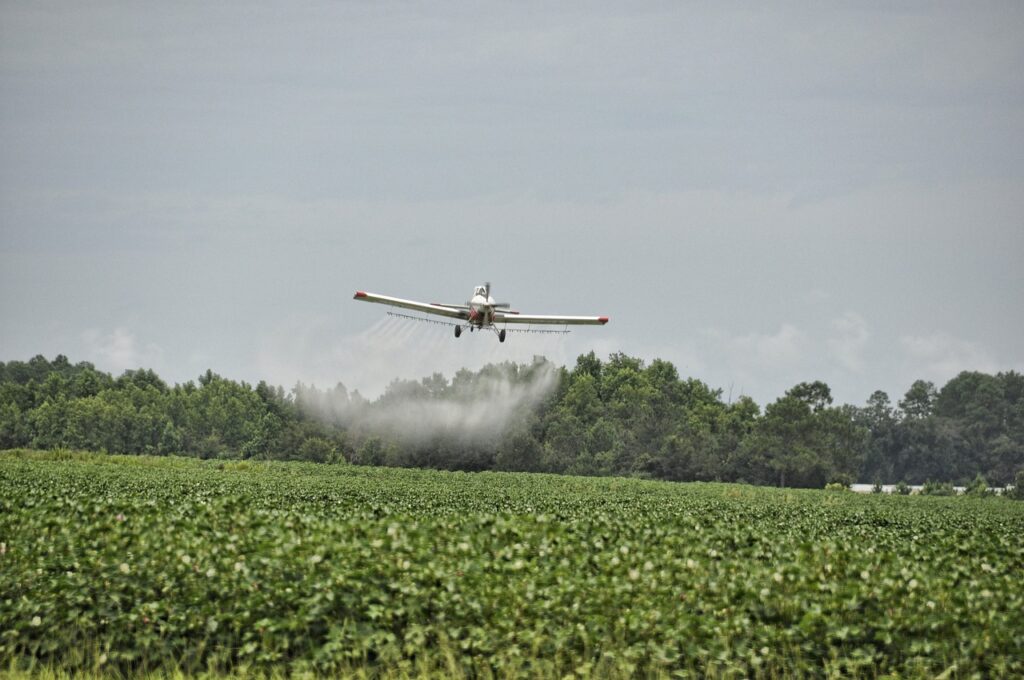
airplane, crop duster, dangerous-465619.jpg

Phosphate in Balance: Insights from Leading Soil Scientist Dr Gordon Rajendram, Waikato

In the verdant landscapes of New Zealand, where agriculture forms the backbone of the economy, maintaining the right balance of nutrients in the soil is critical for both crop yield and environmental sustainability. Dr Gordon Rajendram, a renowned soil scientist, draws attention to an often-overlooked issue: the signs of excessive phosphate levels in the soil, a condition that can have far-reaching consequences for both agriculture and natural ecosystems. Phosphate is an essential nutrient for plant growth, but like anything in excess, it can lead to problematic outcomes. One of the primary signs of too much phosphate in the soil is the inhibition of plant uptake of other necessary minerals, such as iron, zinc, and manganese. This nutrient imbalance can result in poor plant health and reduced growth, a paradoxical situation where more is indeed less. Moreover, excessive phosphate can lead to algal blooms in nearby water bodies, as runoff carries the surplus nutrients into rivers and lakes. These blooms not only disrupt aquatic ecosystems but can also pose a risk to animal and human health. In New Zealand, with its extensive coastlines and waterways, this issue is of particular concern, highlighting the need for careful nutrient management. Dr Rajendram points out that soil testing is a crucial step in identifying excessive phosphate levels. Such tests can help farmers and land managers make informed decisions about fertiliser application, reducing unnecessary inputs and mitigating environmental impacts. Another sign of too much phosphate is the appearance of certain weed species that thrive in high-phosphate conditions. These weeds can outcompete crops and native plants, further disrupting agricultural productivity and biodiversity. Phosphate holds a pivotal role in the tapestry of soil nutrients, serving as a cornerstone for plant growth and agricultural productivity. Dr Gordon Rajendram emphasises the significance of phosphate, noting, “Phosphate is akin to a key that unlocks the energy potential within plants. It’s essential for photosynthesis, energy transfer, and the synthesis of nucleic acids and cell membranes. Without adequate phosphate, plants cannot thrive or produce at their full potential.” In conclusion, recognising and addressing the signs of excessive phosphate in New Zealand’s soils is a critical step towards sustainable agriculture and environmental stewardship. Through careful management and a commitment to balance, the country can continue to thrive both economically and ecologically. Contact Dr Gordon Rajendram 021 466077 rajendram@xtra.co.nz www.gordonrajendramsoilscientist.co.nz Contact Phillip Quay phillip@mediapa.co.nz 027 458 7724 www.mediapa.co.nz

Phosphate in Balance: Insights from Leading Soil Scientist Dr Gordon Rajendram, Waikato Read More »

Waikato-based Soil Scientist Dr Gordon Rajendram on The Cost of Nutrient Leaching

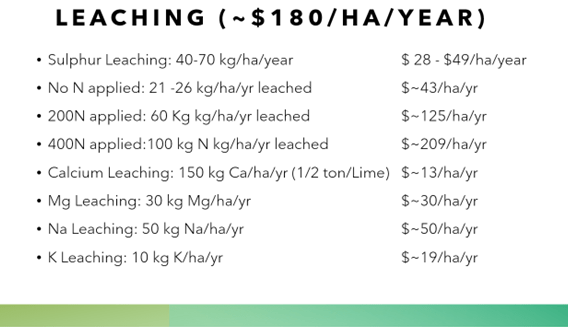
Nutrient leaching from soil is a significant concern for farmers and environmentalists alike, as it represents both a loss of valuable fertilisers and a potential source of environmental pollution. Dr Gordon Rajendram has provided critical insights into this issue, demonstrating that the amount of nutrients lost via subsurface flow is closely related to the amount of rainfall and drainage. In areas where rainfall and drainage range from 500 to 7000 mm per year, particularly from April to October, nutrients can be washed beyond the root zone, where plants are unable to utilise them. This process is especially problematic for anions like nitrates (NO3-) which are highly mobile and tend to leach easily. Anions also carry cations with them, such as calcium (Ca2+), exacerbating the loss of nutrients. For instance, Dr Rajendram’s research indicates that sulphur leaching can be between 40 to 70 kg/ha/year, costing approximately $28 to $49 per hectare annually. When it comes to nitrogen (N), a critical element for plant growth, the figures are even more striking. Without any nitrogen applied, between 21 to 26 kg/ha/year can leach, amounting to around $43 per hectare each year. However, when 200 kg of nitrogen per hectare is applied, the leached amount can increase to about 60 kg/ha/year, with the cost rising to around $125 per hectare annually. And with a higher application rate of 400N, up to 100 kg N/ha/year may leach, costing approximately $209 per hectare each year. Calcium leaching, which equates to the loss of half a ton of lime, is around 150 kg Ca/ha/year, resulting in a cost of about $13 per hectare per year. Other nutrients like magnesium (Mg), sodium (Na), and potassium (K) also experience significant leaching, with costs of $30, $50, and $19 per hectare per year, respectively, for losses of 30 kg Mg, 50 kg Na, and 10 kg K. Dr Rajendram asserts that to mitigate nutrient leaching, farmers need to employ strategic fertiliser management. This includes soil testing to determine the existing nutrient levels, timing fertiliser applications to match plant needs, and using technologies such as controlled-release fertilisers, nitrification inhibitors and management practices such as using standoff pads/herd homes “Effective nutrient management is key to both economic efficiency and environmental stewardship,” Dr Rajendram advises. “By optimising fertiliser use, we can reduce leaching losses, saving both our resources and our rivers.” This holistic approach to agriculture is essential for sustainable farming practices that protect both the productivity of the land and the health of the environment. Contact Dr Gordon Rajendram 021 466077 rajendram@xtra.co.nz www.gordonrajendramsoilscientist.co.nz Contact Phillip Quay phillip@mediapa.co.nz 027 458 7724 www.mediapa.co.nz

Waikato-based Soil Scientist Dr Gordon Rajendram on The Cost of Nutrient Leaching Read More »

Phosphate in Balance: The Key to Sustainable Agriculture in New Zealand – Insights from Dr Gordon Rajendram

In the verdant landscapes of New Zealand, where agriculture forms the backbone of the economy, maintaining the right balance of nutrients in the soil is critical for both crop yield and environmental sustainability. Dr Gordon Rajendram, a renowned soil scientist, draws attention to an often-overlooked issue: the signs of excessive phosphate levels in the soil, a condition that can have far-reaching consequences for both agriculture and natural ecosystems. Phosphate is an essential nutrient for plant growth, but like anything in excess, it can lead to problematic outcomes. One of the primary signs of too much phosphate in the soil is the inhibition of plant uptake of other necessary minerals, such as iron, zinc, and manganese. This nutrient imbalance can result in poor plant health and reduced growth, a paradoxical situation where more is indeed less. Moreover, excessive phosphate can lead to algal blooms in nearby water bodies, as runoff carries the surplus nutrients into rivers and lakes. These blooms not only disrupt aquatic ecosystems but can also pose a risk to animal and human health. In New Zealand, with its extensive coastlines and waterways, this issue is of particular concern, highlighting the need for careful nutrient management. Dr Rajendram points out that soil testing is a crucial step in identifying excessive phosphate levels. Such tests can help farmers and land managers make informed decisions about fertiliser application, reducing unnecessary inputs and mitigating environmental impacts. Another sign of too much phosphate is the appearance of certain weed species that thrive in high-phosphate conditions. These weeds can outcompete crops and native plants, further disrupting agricultural productivity and biodiversity. Phosphate holds a pivotal role in the tapestry of soil nutrients, serving as a cornerstone for plant growth and agricultural productivity. Dr Gordon Rajendram emphasises the significance of phosphate, noting, “Phosphate is akin to a key that unlocks the energy potential within plants. It’s essential for photosynthesis, energy transfer, and the synthesis of nucleic acids and cell membranes. Without adequate phosphate, plants cannot thrive or produce at their full potential.” In conclusion, recognising and addressing the signs of excessive phosphate in New Zealand’s soils is a critical step towards sustainable agriculture and environmental stewardship. Through careful management and a commitment to balance, the country can continue to thrive both economically and ecologically. Contact Dr Gordon Rajendram 021 466077 rajendram@xtra.co.nz www.gordonrajendramsoilscientist.co.nz Contact Phillip Quay phillip@mediapa.co.nz 027 458 7724 www.mediapa.co.nz

Phosphate in Balance: The Key to Sustainable Agriculture in New Zealand – Insights from Dr Gordon Rajendram Read More »

Dr. Gordon Rajendram Soil Scientist

Optimising Pasture Production in New Zealand: Insights from Dr Gordon Rajendram on Key Soil Factors

In New Zealand, where agriculture plays a pivotal role in the economy, understanding the factors that drive pasture production is crucial for optimising yields and maintaining the health of the land. Dr Gordon Rajendram, a leading soil scientist, emphasises the importance of several key elements in this process, highlighting how the interplay between soil temperature, moisture, pH, nutrient availability, air-filled porosity, and biology can significantly impact pasture growth and productivity. One of the most fundamental factors is soil temperature. Pasture growth notably slows or even halts when the temperature at a 10 cm depth falls to 5 or 6 degrees Celsius. This thermal threshold is critical in New Zealand’s varied climate, affecting the seasonal management of pastures across different regions. “Understanding the structure of soil is key to unlocking the full potential of our pastures. Each element, from temperature and moisture to pH and biology, plays a critical part in this complex melody. It’s through harmonising these factors that we can achieve sustainable and productive agriculture,” – Dr Gordon Rajendram, Soil Scientist Soil moisture is another vital component. Pasture production can be adversely affected when soil moisture levels drop below 25%. This threshold is a clear indicator of the need for adequate water management practices to sustain growth, especially during dry spells which are becoming increasingly common due to climate change. The chemical balance of the soil also plays a significant role. Soil pH and the presence of 13 essential elements are crucial for the health and productivity of pastures. An optimal pH level ensures that these nutrients are available to plants, directly influencing their growth and the overall output of pasture lands. Air-filled porosity, specifically when it falls below 10%, indicates poor soil structure which can hinder root growth and limit air exchange. This condition stresses plants and can lead to reduced pasture yield. A healthy soil ecosystem, rich in microorganisms, supports nutrient cycling and aids in the breakdown of organic matter, thereby enhancing soil fertility and plant health. In conclusion, Dr Gordon Rajendram underscores the need for a holistic approach to managing these factors. By closely monitoring soil temperature, moisture levels and adjusting chemical balance, structure, and biological health, farmers in New Zealand can maximise pasture production, ensuring sustainability and profitability in their agricultural practices. Contact Dr Gordon Rajendram 021 466077 rajendram@xtra.co.nz www.gordonrajendramsoilscientist.co.nz Contact Phillip Quay phillip@mediapa.co.nz 027 458 7724 www.mediapa.co.nz

Optimising Pasture Production in New Zealand: Insights from Dr Gordon Rajendram on Key Soil Factors Read More »

Dr. Gordon Rajendram: Bridging Science and Sustainability in New Zealand’s Fertiliser Industry

Dr. Gordon Rajendram, a Soil Scientist with a PhD from Waikato University and AgResearch, stands as a beacon of expertise in soil fertility within New Zealand. His commitment to enhancing the agricultural landscape is evident through his dedication to helping New Zealand farmers and fertiliser companies optimise soil utilisation. By doing so, he ensures farms operate more efficiently and sustainably while boosting profitability. His role as an independent consultant underscores a modern approach where scientific knowledge and ecological responsibility converge to benefit the agricultural sector. His relationship with fertiliser companies across New Zealand is characterised by a blend of rigorous scientific research and practical advice. Dr. Rajendram’s expertise in soil testing allows for the precise application of fertilisers, thus maximising crop yields and minimising environmental impact. His collaboration with these companies extends to the innovation and improvement of fertiliser products, ensuring they are effective and environmentally safe. With over 70 publications and six patents, most of which were achieved during his 22-year tenure at AgResearch, Ruakura Research Centre, Dr. Rajendram’s contributions to the field are substantial. His development of two field-calibrated soil tests for Nitrogen and Sulphur, now included in the Overseer nutrient model, and his research on nutrient leaching are pivotal for agronomic advice in New Zealand. His work has not only been applied across the agricultural industry but has also garnered recognition, including nominations for the Kudos Awards as Scientist of the Year in 2008 and Science Entrepreneur of the Year in 2010. Dr. Rajendram’s consultancy transcends technical advice, engaging in educational initiatives aimed at disseminating research findings and best practices. His relationship with the fertiliser industry and the agricultural community at large is a testament to his passion for marrying science with sustainability, making him an invaluable asset to New Zealand’s agricultural advancement. In this enhanced agricultural narrative, Dr. Rajendram’s work symbolises the nexus of commercial objectives and environmental stewardship. Through his endeavours, New Zealand’s fertiliser industry and farming practices are steered towards a future where productivity and sustainability are in harmony, ensuring the sector’s resilience and profitability for generations to come. Contact Dr Gordon Rajendram 021 466077 rajendram@xtra.co.nz www.gordonrajendramsoilscientist.co.nz Contact Phillip Quay phillip@mediapa.co.nz 027 458 7724 www.mediapa.co.nz

Dr. Gordon Rajendram: Bridging Science and Sustainability in New Zealand’s Fertiliser Industry Read More »

Dr Gordon Rajendram on Soil Structure Degradation: Causes and Solutions

Soil Scientist Dr. Gordon Rajendram delves into the intricate interplay between soil structure and the vitality of the agricultural ecosystem, asserting that the essence of productive farming and environmental sustainability lies beneath our feet. The structure of soil, a complex arrangement of particles and spaces, is foundational for water retention, nutrient cycling, and the support of plant life. However, this delicate equilibrium faces threats from pollutants and suboptimal farming methods, leading to significant concerns for soil health, crop productivity, and ecological balance. Highlighting the adverse effects of industrial pollutants, agricultural runoff, and the overuse of chemicals, Dr. Rajendram points out how “these elements severely disrupt the soil’s microbial community. Such disruption is hampering the decomposition of organic matter and the cycling of nutrients, elements crucial for maintaining soil structure and fertility.” The consequence of this disruption is a soil system that is less resilient, more prone to erosion, and increasingly ineffectual at supporting agricultural demands. Moreover, Dr. Rajendram sheds light on how neglectful soil management practices—such as the excessive use of heavy machinery and inadequate replenishment of soil organic matter—contribute to soil compaction and diminished aeration. These conditions create a hostile environment for root growth and water infiltration, further straining the ability of plants to access essential nutrients and moisture, thereby impeding their growth and reducing yields. In response to these challenges, Dr. Rajendram champions a shift towards more sustainable farming practices that honour and nurture the soil’s natural processes. He advocates for regular soil testing as a crucial diagnostic tool to identify contaminants and assess nutrient profiles, enabling the implementation of targeted interventions. Emphasising the reduction of chemical inputs, the enhancement of soil organic matter through practices like composting and mulching, and the adoption of conservation tillage, Dr. Rajendram proposes a holistic strategy aimed at revitalising soil structure and promoting resilience. Incorporating eco-friendly products and adhering to sustainable soil management practices, according to Dr. Rajendram, are not merely actions to restore and protect soil health but are fundamental steps towards achieving broader environmental goals. These include preserving biodiverse ecosystems, improving the sequestration of carbon to combat climate change, and ensuring the longevity and productivity of agricultural lands for future generations. Contact Dr Gordon Rajendram 021 466077 rajendram@xtra.co.nz www.gordonrajendramsoilscientist.co.nz Contact Phillip Quay phillip@mediapa.co.nz 027 458 7724 www.mediapa.co.nz

Dr Gordon Rajendram on Soil Structure Degradation: Causes and Solutions Read More »

Mitigating Toxic Minerals in Soil: The Role of Fertiliser and Lime Explained by Dr Gordon Rajendram

Soil health is paramount for sustainable agriculture, and one cannot overlook the significance of managing toxic minerals to safeguard crop quality and yield. Dr Gordon Rajendram, a renowned expert in soil science, sheds light on the intricate relationship between fertiliser and lime application and its effect on toxic minerals within the soil. Fertilisers, primarily composed of nitrogen, phosphorus, and potassium, play a pivotal role in enhancing plant growth and productivity. However, their interaction with soil minerals can influence the bioavailability of potentially toxic elements, such as lead, arsenic, and cadmium. These elements can be naturally occurring or result from anthropogenic activities, posing significant risks to plant health and human consumption. The application of lime, or calcium carbonate, is a traditional method used to amend acidic soils, raising the pH to a more neutral level. This adjustment is crucial as it directly impacts the solubility and hence, mobility of toxic minerals in the soil. At lower pH levels, certain toxic metals, like aluminium and manganese, become more soluble, increasing their availability to plants. By elevating the soil pH, lime reduces the solubility of these metals, consequently diminishing their uptake by plants. Moreover, lime can induce a phenomenon known as “immobilisation” or “precipitation” of toxic metals, effectively reducing their bioavailability. For example, the application of lime can lead to the formation of phosphate minerals in soils treated with phosphorus-rich fertilisers, which can immobilise lead by converting it into less bioavailable forms. However, the interaction between fertiliser, lime, and soil minerals is highly complex and depends on various factors including soil type, climate, and crop species. Excessive use of fertilisers can lead to the accumulation of certain toxic metals, highlighting the importance of balanced and informed application strategies. Dr Rajendram emphasises that “managing soil health requires a holistic approach, considering both the benefits and potential risks associated with fertiliser and lime use. By understanding and applying scientific principles, farmers can mitigate the impact of toxic minerals, ensuring sustainable and safe agricultural practices.” Contact Dr Gordon Rajendram 021 466077 rajendram@xtra.co.nz www.gordonrajendramsoilscientist.co.nz Contact Phillip Quay phillip@mediapa.co.nz 027 458 7724 www.mediapa.co.nz

Mitigating Toxic Minerals in Soil: The Role of Fertiliser and Lime Explained by Dr Gordon Rajendram Read More »

Dr Gordon Rajendram of Waikato: The Agricultural Marvels Plantain and Chicory in Farming

In the evolving landscape of agriculture, the perception of certain plants has transformed from mere weeds to indispensable contributors to sustainable farming. As Dr. Gordon Rajendram aptly notes, “These herbs were considered weeds about 20 years or more.” Among these transformative plants, Plantain and Chicory have emerged as crucial players, challenging conventional notions and proving their worth in modern farming practices. “These herbs were considered weeds about 20 years or more. These tend to take up more/ different nutrients than ryegrass/clover pastures only. It is better to have multi-species in a sward than just a few species such as ryegrass/clover.” – Soil Scientist Dr Gordon Rajendram Plantain Pasture Perfection: Plantain has earned its stripes as a valuable component in pasture mixtures. Its adaptability to various soil types and climates makes it a resilient and dependable choice for farmers. When included in pasture mixtures, Plantain contributes to the overall nutritional content, providing a diverse range of vitamins and minerals for grazing livestock. Soil Health Booster: Beyond its role in animal fodder, Plantain acts as a natural soil conditioner. Its deep-rooted system helps in breaking up compacted soils, improving water infiltration, and enhancing nutrient cycling. This not only benefits the plant itself but also neighbouring crops, fostering a healthier and more fertile environment. Medicinal Fodder: Farmers often appreciate Plantain for its medicinal properties. Livestock grazing on Plantain may experience health benefits, as the plant is known for its anti-parasitic and anti-inflammatory properties. This dual-purpose functionality makes Plantain a holistic addition to farming practices. Chicory Versatile Crop: Chicory, with its varied uses, has found a niche in farming systems. Beyond its role as an animal fodder, especially in drought-prone regions, Chicory is cultivated for its roots, leaves, and flowers. This versatility adds economic value to its cultivation, providing farmers with multiple avenues for utilisation. Root Crop Harvest: The young, scraped roots of Chicory are harvested and can be boiled, offering a nutritious supplement for livestock. Additionally, the roots have a unique application as a coffee substitute. Commercially, the roots are extracted, dried, roasted, and ground to produce a caffeine-free hot beverage, further expanding its market potential. Fodder for Health: As a drought-tolerant vegetable, Chicory is increasingly gaining popularity in New Zealand for animal fodder. When integrated with other herbs in pasture mixtures, Chicory contributes to creating nutritious forage, promoting overall livestock health. Medicinal Applications: Chicory doesn’t just stop at being a fodder crop. Its leaves and roots have medicinal applications, serving as remedies for jaundice, spleen problems, and inflammation. The infusion of dried Chicory root is utilized as a tonic, mild laxative, and diuretic, showcasing its diverse benefits beyond the realm of agriculture. In conclusion, the journey of Plantain and Chicory from being deemed as weeds to agricultural allies echoes Dr. Gordon Rajendram’s wisdom. Embracing the concept of multi-species pastures, enriched by the inclusion of these transformative plants, stands as a testament to the evolving landscape of sustainable farming. As we continue to rewrite the narrative around these “former weeds,” we pave the way for a more resilient, nutrient-rich, and ecologically balanced future in agriculture. Contact Dr Gordon Rajendram 021 466077 rajendram@xtra.co.nz www.gordonrajendramsoilscientist.co.nz Contact Phillip Quay phillip@mediapa.co.nz 027 458 7724 www.mediapa.co.nz

Dr Gordon Rajendram of Waikato: The Agricultural Marvels Plantain and Chicory in Farming Read More »

Scroll to Top