Gordon Rajendram the soil scientist

Phillip

The Call for Competition in New Zealand’s Fertiliser Market with Renowned Hamilton Soil Scientist Dr Gordon Rajendram Has Gained Farmer Support

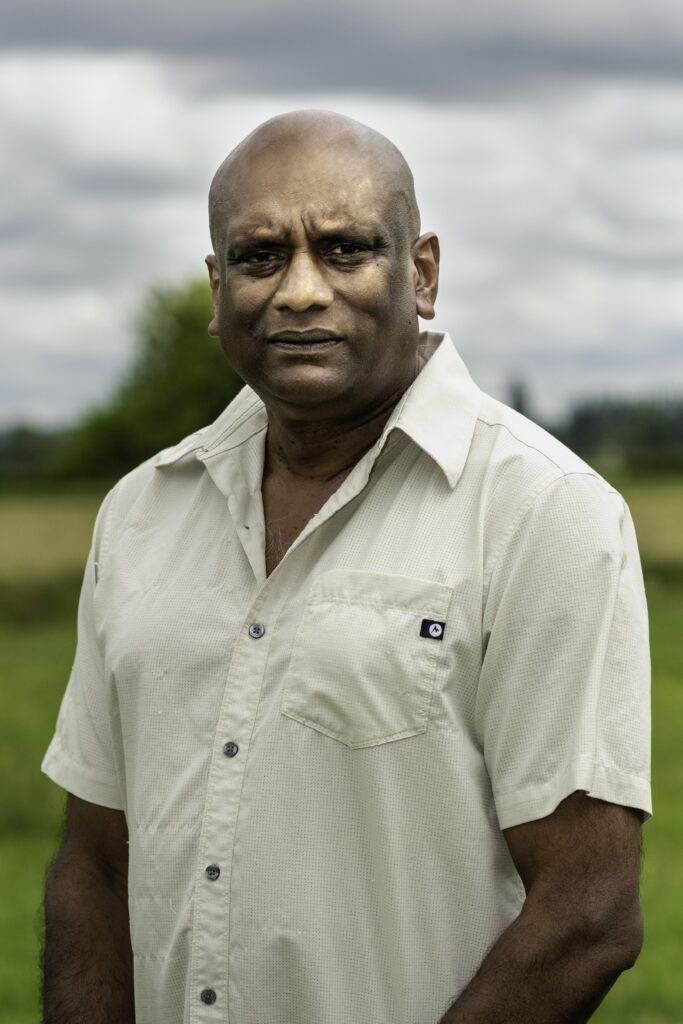
An anonymous Hamilton-based farmer has supported the call for more competition in the fertiliser industry from renowned Hamilton soil scientist Dr Gordon Rajendram. “Improving soil biology with less environmental impact is a significant step forward. Improving productivity is one of the most important things any nation can do to help its people, so I think competition and new ways are great,” the farmer said. “Furthermore, with increasing restrictions and tighter compliance standards being put on farmers, you are providing them with a choice and making it sustainable over the long term,” he said. Dr Gordon Rajendram has been vocal about the critical need for increased competition in the New Zealand fertiliser market. According to Dr Rajendram, the current market dynamics stifle innovation and result in higher costs for farmers, ultimately impacting the agricultural sector’s sustainability and productivity. The farmer emphasised the intense pressure faced by those in the dairy sector, where compliance with stringent environmental standards is a constant challenge. “Being in dairy, I am aware of how much pressure farmers are under from all sorts of things, so innovation and alternative choices are great for this sector.” Dr Rajendram’s research underscores the importance of soil biology in enhancing productivity while minimising environmental impact. “By focusing on improving soil health through innovative fertilisers, we can achieve higher yields with less environmental degradation,” he explains. “More competition in the fertiliser market would lead to lower prices and better products for farmers,” Dr Rajendram asserts. “This is crucial not only for improving soil health but also for meeting the stringent environmental standards imposed on the farming community.” One of the key issues Dr Rajendram highlights is the limited number of players in the fertiliser industry, which leads to a lack of incentive for companies to innovate and offer environmentally friendly products. With New Zealand’s farmers facing increasing pressures from both regulatory bodies and market forces, the need for cost-effective and sustainable fertiliser options has never been greater. In conclusion, Dr Rajendram’s call for more competition in the fertiliser market is not just about reducing costs; it’s about fostering a culture of innovation that benefits both farmers and the environment. As New Zealand continues to strive for more sustainable farming practices, embracing competition and encouraging innovation in the fertiliser sector will be key to achieving these goals. For more information, please contact: Contact Dr Gordon Rajendram 021 466077 rajendram@xtra.co.nz www.gordonrajendramsoilscientist.co.nz About Dr Gordon Rajendram:  Dr Gordon Rajendram is a distinguished independent soil scientist with extensive experience in the agricultural sector. His work focuses on improving soil health and sustainability practices in farming, making him a respected voice in the industry. Contact Media PA phillip@mediapa.co.nz 027 458 7724 www.mediapa.co.nz

The Call for Competition in New Zealand’s Fertiliser Market with Renowned Hamilton Soil Scientist Dr Gordon Rajendram Has Gained Farmer Support Read More »

A panoramic view of a sustainable farm landscape in New Zealand, showing contour planting, forest cover, and rural adaptation practices under cloudy skies.

A Families Journey: A Farming Story of Resilience and Adaptation

The story of a family and their farm on the coast of Whangarei is one of remarkable resilience and adaptation. Despite numerous challenges, things are on track for a brighter future. Their journey, marked by persistent challenges and setbacks, exemplifies their determination to overcome adversity and secure a better future. Once owning a farm at Dargaville, the family decided to move closer to Whangarei, purchasing two farms in the general area. However, persistent flooding over the past eight years at one farm forced them to sell their properties to a businessperson from Auckland. Retaining a 50/50 sharemilking job on their home farm, they were able to purchase an additional 145 hectares on the coast of Whangarei, encompassing 85 hectares of flat land, 46 hectares of hill land, 14 hectares of bush in 4 titles. The 4 titles are encompass 36 ha plus house, 62 ha, 20 ha and 27 ha) with good sea views from parts of the farm.  From the back of the farm from a ramp you are able to launch a boat and be in the open ocean in 5 minutes.  From this farm you can set a net in the evening, go back in the the morning to find mullet, snapper, trevally, Kahawaii and flounder in the net. They moved to their new farm in March 2017. The sharemilking job was intended to help pay and develop the new farm. However, within a year, they lost the 50/50 sharemilking job and ended up in court, despite having all the rights. The other side had more money, and their lawyer advised them to leave, resulting in significant financial loss. In October 2019, disaster struck again when the floodgate on the farm collapsed, allowing seawater to inundate the flatland, killing grass, worms, and 85 large poplar trees, and destroying 60 hectares of grass. They worked tirelessly through the night to install a temporary gate and awaited resource consent to install new gates. In April 2020, they began constructing new floodgates, designed by an engineer and built with the help of family and a late friend. The family faced further challenges with waterlogged paddocks due to salt contamination and winter rain. Despite these setbacks, they began humping and hollowing paddocks, finishing three paddocks initially. However, complaints from uneducated neighbours to the dairy industry threatened their milk supply, as it was incorrectly understood that it was illegal to carry out this work. The dairy company stated they would stop taking their milk if they continued. In 2022, they sold livestock to China through Genetic Developments but did not receive payment, resulting in further financial strain. By September 2023, land productivity remained an issue, prompting them to restart humping and hollowing. Uneducated neighbours complained again to the Regional Council, but the council was impressed with their progress and primarily advised on silt control. They managed to hump and hollow 15 paddocks, with three remaining. Of the 145 hectares, 110 hectares are now effective. Despite these continuous challenges, the family exemplifies resilience and determination in their ongoing journey to develop their farm and secure their future. Looking Ahead: A Call for Support Here lies a beautiful property with coastal views, brimming with potential and on the cusp of full recovery. With the help of Dr Gordon Rajendram, the farm is on its way to recovery. They are now moving on to repairing the hills, with the outlook being much brighter. Production has increased by 20% this year compared to last year and is expected to increase further with other improvements. They are encouraging people to reach out and invest in the property. This farm will be a great asset for anyone who invests, offering both financial returns and the satisfaction of supporting a resilient family and a flourishing agricultural endeavour. With your support, they can continue to improve their farm and secure a prosperous future. For more information, please contact: Contact Dr Gordon Rajendram 021 466077 rajendram@xtra.co.nz www.gordonrajendramsoilscientist.co.nz Contact Media PA phillip@mediapa.co.nz 027 458 7724 www.mediapa.co.nz
A Families Journey: A Farming Story of Resilience and Adaptation Read More »

Line graph comparing accumulated grass growth over time in treated and untreated Canterbury dairy farms, showing higher yields in Agraforum-treated fields.

Update – Soil Compaction Trials Boost Pasture Production on Canterbury Dairy Farms, Dr Gordon Rajendram with Agraforum New Zealand

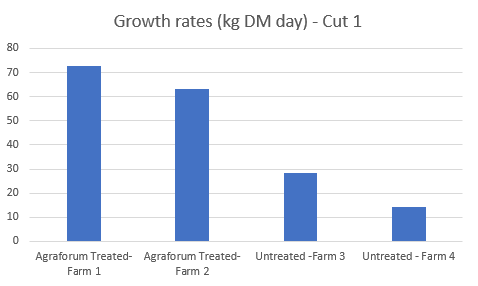
FOR IMMEDIATE RELEASE Hamilton, New Zealand – August 6, 2024 – Recent trials conducted by Dr Gordon Rajendram, a distinguished soil scientist and consultant, have revealed significant improvements in pasture production on Canterbury dairy farms through the use of soil compaction treatments. Dr Rajendram, formerly of AgResearch and MAF, led these trials to assess the impact of soil compaction on pasture growth and to demonstrate the effectiveness of Agraforum’s soil treatments. Dr Rajendram stated that “The trials have shown that addressing soil compaction through targeted treatments can significantly enhance pasture production, providing a sustainable solution for farmers to boost their productivity.” Pasture production is influenced by five primary factors (1): 1. Soil Moisture: Adequate rainfall or irrigation is crucial, with less than 25% soil moisture negatively impacting growth. 2. Soil Temperature: Grass growth ceases when the soil temperature at 10 cm depth falls to 5-6 degrees Celsius. 3. Soil pH and Nutrients: Thirteen essential elements for plant growth, along with Co, Se, and I for animal health, are vital. 4. Soil Microbiology: Beneficial microbial activity supports plant health. 5. Soil Air Space (Air-Filled Porosity or Macroporosity): Compacted soil, with less than 10% air-filled porosity (AFP), significantly reduces pasture production. Each percentage drop below this threshold results in a 10% reduction in yield (based on AgResearch trials)(2). Since 1995, the Waikato Regional Council has been monitoring soil quality at 150 sites across the Waikato region, focusing on volcanic ash and pumice soils used for dairying, beef, cropping, and forestry. Seven soil quality tests are conducted at each site, including air-filled porosity. The 2019 data revealed that 94% of dairy farming sites had concerning soil quality, with excessively high fertility and soil compaction affecting approximately 85% of the sites. (Waikato Regional Council)(3). Aim and Methodology The aim of the trials was to demonstrate that Agraforum’s soil compaction treatment can improve soil aeration and pasture growth. The trials involved: – Four irrigated Canterbury dairy farms, with two using Agraforum’s treatments for several years and two untreated. – Monthly pasture measurements using a ride-on mower and digital scales. – Soil temperature monitoring, starting at 14 degrees Celsius and dropping to 5 degrees Celsius by the third cut. Each farm had ten plots (2m x 10m), and the trials commenced in the last week of February 2024, with pasture cuts taken over a 105-day autumn period. Findings The results were conclusive: – The two treated farms produced approximately 1,000 kg DM/ha (33%) more dry matter than the best untreated farm. – Compared to the second untreated and most compacted farm, the treated farms yielded over 2,000 kg DM/ha (80%) more pasture. Graphs from the study clearly illustrate the superior performance of treated farms in terms of total pasture grown and growth rates, particularly for the first cut. Graph 1: Shows Total pasture grown for ~ 105 days for the 2 Agraforum Treated and Untreated Farms. Graph 2: Shows the growth rates for the first cut for the farms. The Treated farms grew twice and 3 times the more pasture than the Untreated farms for the first cut. Graph 3: Shows the accumulated grass growth across all four farms over the trial period. The treated farms clearly grew significantly more pasture compared to the Untreated farms. Error bars show the 95% confidence interval at each cut, calculated from the ten replicate plots within each farm. Raw Data Agraforum- Treated -Farm 1 Kg DM hectare Days Growth Kg DM/day Temperature Cut 1 1958 ± 230 27 73 ± 9 14 Cut 2 1226 ± 90 35 35 ± 3 10 Cut 3 388 ± 23 43 9 ± 1 5 3572 ±294 105 34 ± 3 Agraforum Treated -Farm 2 Days Growth Kg DM/day Cut 1 1827 ± 129 29 63 ± 4 Cut 2 1180 ± 108 40 30 ±3 Cut 3 307 ± 30 36 9 ±1 3314 ± 241 105 32 ±2 Non Treated Farm-3 Kg DM hectare Days Growth Kg DM/day Cut 1 1127 ±121 40 28 ± 3 Cut 2 1173 ±111 53 22 ± 2 Cut 3       2300 ±219 93 (105) 25 (22) ±2 Non Treated Farm – 4 Kg DM hectare Days Growth Kg DM/day Cut 1 429 ± 94 30 14 ± 3 Cut 2 262 ± 65 34 8 ± 2 Cut 3       691 ± 157 64(105) (7) ± 1 The 95% confidence intervals have been calculated from ten replicate plots for each cut within each farm. Conclusion These findings highlight the importance of addressing soil compaction to improve pasture production. Agraforum’s soil aeration treatments have proven to be highly effective, offering a practical solution for farmers seeking to enhance productivity and sustainability. It takes ~ 10 kg of Dry matter of good quality pasture to produce 1 kg milk solid.(4) Four other field trials alongside Agraforum will be commencing this Spring in the Otago region, so watch this space. “By improving soil aeration and reducing compaction, we can unlock the full potential of pasture growth, ensuring healthier soils and more productive farms.” – Dr Gordon Rajendram, PhD, Soil Scientist/Consultant — About Dr Gordon Rajendram Dr Gordon Rajendram is a renowned soil scientist and independent consultant with extensive experience in soil fertility, agronomy, and farm environmental consultancy. His expertise has been instrumental in bringing scientific solutions to the agricultural sector, improving productivity and sustainability for farmers across New Zealand. About Allan Pirecy Allan Piercy is a seasoned vet who worked in a rural clinic in South Taranaki for 20 years before moving to Mid Canterbury, where he headed a large veterinary practice. His primary focus was on dairy cattle, preventive medicine, and ensuring economic returns for farmers. Recognising that many animal health and production issues stemmed from poor soil nutrition and structure, Allan founded Agraforum New Zealand in 2007, aimed at addressing animal health and production issues through improved soil and crop management. Allan’s guiding principle is, “Correct the cause of a problem, don’t continue to treat the symptoms.” Contact Agraforum New Zealand 0800 488 118 Allan: 0274 485

Update – Soil Compaction Trials Boost Pasture Production on Canterbury Dairy Farms, Dr Gordon Rajendram with Agraforum New Zealand Read More »

Soil Compaction Trials Boost Pasture Production on Canterbury Dairy Farms, Dr Gordon Rajendram with Agraforum New Zealand

Recent trials conducted by Dr Gordon Rajendram, a distinguished soil scientist and consultant, have revealed significant improvements in pasture production on Canterbury dairy farms through the use of soil compaction treatments. Dr Rajendram, formerly of AgResearch and MAF, led these trials to assess the impact of soil compaction on pasture growth and to demonstrate the effectiveness of Agraforum’s soil treatments.

Soil Compaction Trials Boost Pasture Production on Canterbury Dairy Farms, Dr Gordon Rajendram with Agraforum New Zealand Read More »

Renowned Hamilton-based Soil Scientist Dr Gordon Rajendram Calls For More Competition In the New Zealand Fertiliser Market

For Immediate Release Date: 21 June 2024  [Hamilton, New Zealand] – One of New Zealand’s most renowned experts in soil fertility, Dr Gordon Rajendram, today issued an urgent call for greater competition and innovation within New Zealand’s fertiliser industry to bring product prices down. Dr Rajendram, who is a prominent speaker at rural industry forums throughout New Zealand, says his observations highlight a severe lack of competition leading to ongoing high fertiliser prices, stifled innovation, and a worrying lack of change in the fertiliser sector. “The fertiliser market in New Zealand is dominated by a few key players, resulting in limited choices for consumers and consistently high prices,” says Dr Rajendram. “This monopoly-like situation sharpens awareness but also makes companies lazy, relying on their established market positions rather than striving for improvement. Many of these companies are selling the same products they did in the 1950s, with little to no innovation. Super phosphate, has done more for New Zealand’s economy than any politician ever has, but it’s time for change.” The current market shows fertiliser prices still above pre-COVID levels, with super phosphate approximately at $425 per tonne and urea at $795 per tonne. Farmers are now starting to look for alternatives due to these high prices and question marks over environmental aspects of traditional fertiliser products. “In the past, it was more about growing as much pasture as possible. Now, it’s also important to ensure whatever you apply doesn’t run off and leach, causing environmental issues,” adds Dr Rajendram. This shift in focus from merely growing pasture or crops to keeping nutrients in the soil requires more efficient, low phosphate, and slow-release fertilisers that are less water soluble. “A prime example of the benefits of competition can be seen in the dairy industry, where the presence of multiple companies has led to significant advancements in product quality and efficiency. “The fertiliser industry could learn a lot from this. Innovation is essential for addressing the evolving needs of modern agriculture, particularly in a country like New Zealand, where farming is a cornerstone of the economy, Dr Rajendram said. “Currently, the focus seems to be on maintaining the status quo but Rajendram says that the agricultural sector requires fertilisers that are not only effective but also environmentally sustainable. Without competition, there is little incentive for any company to move forward and innovate,” he said. Dr Rajendram emphasises the need for urgent industry transformation to prevent it from becoming a sunset industry. “Competition sharpens everyone’s prices and forces companies to offer better products,” he says. “In conclusion, the New Zealand fertiliser industry needs a shake-up. More competition will lead to better products, fairer prices, and ultimately, a stronger agricultural sector. It’s time for fertiliser companies to stop resting on their laurels and start driving the innovation that our farmers need,” Dr Rajendram says. For more information, please contact: Contact Dr Gordon Rajendram 021 466077 rajendram@xtra.co.nz www.gordonrajendramsoilscientist.co.nz About Dr Gordon Rajendram:  Dr Gordon Rajendram is a distinguished independent soil scientist with extensive experience in the agricultural sector. His work focuses on improving soil health and sustainability practices in farming, making him a respected voice in the industry. Contact Media PA phillip@mediapa.co.nz 027 458 7724 www.mediapa.co.nz

Renowned Hamilton-based Soil Scientist Dr Gordon Rajendram Calls For More Competition In the New Zealand Fertiliser Market Read More »

Addressing Nitrate N Leaching in Twizel: Insights from Soil Scientist Dr Gordon Rajendram and Allan Piercy from Agraforum New Zealand

The Wairepo Catchment Group and the Omarama Stream Water Users Group of Mackenzie Country recently hosted a presentation titled “Advancing Sustainable Agriculture in New Zealand.” The event featured Dr Gordon Rajendram, a soil scientist and independent consultant, and Allan Piercy, managing director of Agraforum New Zealand. Held on 29 April 2024 in Twizel. The talk emphasised the urgent need to reduce nitrate N leaching by half to maintain farming consents, given the region’s low rainfall, cold winters, and predominant dairying, cattle and sheep farming. In order to farm sustainability in this area, there needs to be a whole catchment approach. Dr Rajendram explained that the area’s soils, with an Anion Storage Capacity (ASC) averaging around 15% and low Cation Exchange Capacity (CEC), are not conducive to retaining nutrients. This results in significant leaching losses, especially with higher stocking rates and cattle grazing on pastoral land. Nutrient loading rates in urine patches can be as high as 600-900 kg of nitrogen and potassium, which penetrate below the pasture root zone and leach into waterways. Twizel experiences low annual rainfall, averaging around 700 mm, and cold temperatures, with winter lows often dropping below freezing. “These conditions hinder nutrient retention and increase the likelihood of leaching. The region relies on irrigation, which is vital for pasture production.” Dr Rajendram emphasised the importance of water availability for effective farming and practical solutions such as using biochar/humates (pure carbon source) to bind nitrogen and other nutrients, use of stand off pads/herd homes to reduce urination events on paddocks or reducing cattle/cow numbers to mitigate environmental impacts. If for instance the cattle were on stand off pads or a herd home for half a day, the nitrate leaching into water ways will reduce by half of what it is at present. Dr. Rajendram explained that if pure carbon such as Biochar was used and was incorporated into the soil to achieve an approximate 10% biochar/90% soil ratio, it would reduce nitrate leaching down to zero. Any farmer can make biochar from Wilding pines which is a pest in the Mackenzie basin.  Rajendram explains that Trevor Richards of Biochar NZ gave a practical demonstration on a Twizel farm on making biochar in pits using Wilding pines.    Allan Piercy’s Contributions from Agraforum New Zealand Following Dr Rajendram’s presentation, Allan Piercy discussed Agraforum New Zealand’s role in providing solutions to nitrate N leaching. Piercy introduced several key products designed to enhance pasture production while reducing fertiliser dependency. A highlight of his talk was El-I-Tech’s Biodynamic N, a product that facilitates biological nitrogen fixation, significantly reducing the need for synthetic fertilisers. Piercy emphasised that integrating these products into nutrient management plans can significantly reduce nutrient leaching and improve soil health. Other notable products mentioned included: “Our products offer a practical solution to nutrient management challenges, helping farmers reduce leaching and improve soil health for long-term sustainability.” – Allan Piercy, Managing Director of Agraforum New Zealand Agraforum New Zealand’s focus on sustainable farming practices ensures that their solutions not only address immediate nutrient retention issues but also contribute to long-term soil health and productivity. These insights and solutions provide a comprehensive approach to tackling the nitrate N leaching challenge in Twizel, ensuring sustainable and productive farming practices. For more information on Agraforum New Zealand’s products, visit Agraforum New Zealand Products. Contact Dr Gordon Rajendram 021 466077 rajendram@xtra.co.nz www.gordonrajendramsoilscientist.co.nz Contact Agraforum New Zealand Mobile: 0274 485 159Email: allan@agraforum.co.nz www.agraforum.co.nz Contact Phillip Quay phillip@mediapa.co.nz 027 458 7724 www.mediapa.co.nz

Addressing Nitrate N Leaching in Twizel: Insights from Soil Scientist Dr Gordon Rajendram and Allan Piercy from Agraforum New Zealand Read More »

The Role of Allophane in Carbon Sequestration: New Zealand’s Volcanic Soils Uncovered by Soil Scientist Dr Gordon Rajendram

Volcanic soils, rich in unique minerals such as allophane, play a pivotal role in New Zealand’s agricultural success and environmental sustainability. Dr. Gordon Rajendram, a leading soil scientist, explains that allophane, an amorphous mineral found predominantly in the volcanic ash soils of regions like Waikato and Taranaki, significantly enhances carbon sequestration capabilities, which is crucial in the fight against climate change. Carbon sequestration in soils is a natural way of removing carbon dioxide from the atmosphere and storing it in a solid form. In New Zealand, volcanic soils have demonstrated a remarkable ability to store carbon, with carbon levels reaching 10-12% in some areas. This high organic content not only bolsters soil fertility but also contributes to a healthier microbial environment, which is essential for sustainable agricultural practices. “Allophane’s structure allows these soils to lock in carbon effectively, making them less prone to the typical losses seen in other soil types,” Dr. Rajendram notes. “This characteristic is vitally important for maintaining soil health and long-term agricultural productivity.” Moreover, the presence of allophane influences the physical properties of soil, such as texture and water retention, which are beneficial for plant growth. Its ability to bind with organic matter reduces the rate at which carbon decomposes, thereby keeping it stored in the soil for longer periods. This process not only improves the soil’s structure but also its resistance to erosion and degradation. Dr. Rajendram underscores that understanding the interaction between allophane and organic carbon offers significant insights into sustainable land management practices. By promoting the health of volcanic soils, New Zealand can continue to lead in sustainable agriculture, leveraging its unique geological assets to benefit both the environment and farming communities. The ongoing research and management strategies aimed at enhancing carbon sequestration in these soils not only address global environmental concerns but also support the agricultural sector crucial to New Zealand’s economy. Contact Dr Gordon Rajendram 021 466077 rajendram@xtra.co.nz www.gordonrajendramsoilscientist.co.nz Contact Phillip Quay phillip@mediapa.co.nz 027 458 7724 www.mediapa.co.nz
The Role of Allophane in Carbon Sequestration: New Zealand’s Volcanic Soils Uncovered by Soil Scientist Dr Gordon Rajendram Read More »

Tailoring Farming Practices to Soil Types with New Zealand Leading Soil Scientist Dr. Gordon Rajendram

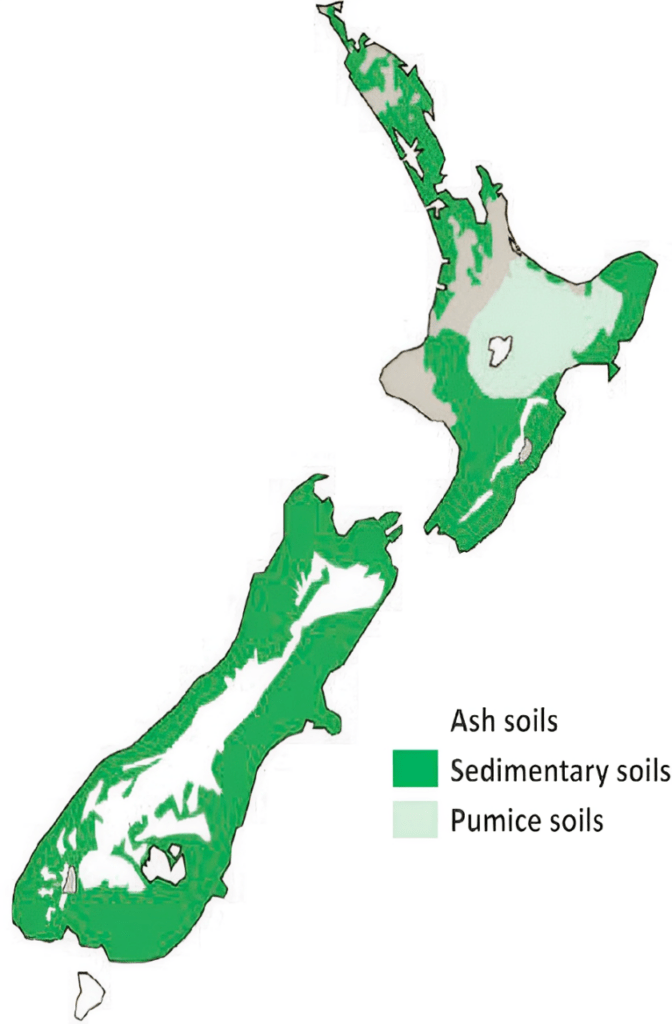
The rich tapestry of New Zealand’s soil types offers a unique canvas for various farming styles and types of produce, each adapted to the specific characteristics of local soils. From the volcanic terrains of the North Island to the sedimentary expanses of the South, Dr Gordon Rajendram understands that leveraging these soil properties is key to optimising agricultural productivity and sustainability. In the North Island, the volcanic soils, particularly those in Waikato and Taranaki, are highly prized for their fertility. These soils are rich in allophane, a mineral that enhances nutrient and water retention, making them ideal for dairy farming. Dr Gordon Rajendram, states, “The exceptional structure of volcanic soils supports robust root systems, which is crucial for pasture-based dairy farming—a predominant agricultural activity in these regions.” Sedimentary soils, which are widespread in the Canterbury plains of the South Island, present different challenges and opportunities. These soils, with typically lower organic matter, are more prone to nutrient depletion and require careful management to support intensive farming practices. “In Canterbury, the sedimentary soils are primarily utilised for dairy farming as well, but the approach here focuses heavily on soil conservation techniques to prevent erosion and maintain soil health,” explains Dr Rajendram. Additionally, New Zealand’s varied climate and soil types allow for diverse horticultural pursuits. Peaty soils in wetter areas, like parts of Waikato, are especially suited for cultivating specialty crops such as berries and market vegetables, which thrive in the moisture-retentive, nutrient-rich conditions. In contrast, the drier regions, with their clay-rich soils, are excellent for vineyards and orchards, where controlled water retention is beneficial. Understanding these soil-specific requirements has led to tailored farming practices across New Zealand. From rotational grazing that minimizes soil compaction in dairy regions to precision agriculture techniques that enhance crop yields in horticultural areas, farmers are adapting their methods to ensure that they are working in harmony with their environment. “By matching farming practices with soil types, New Zealand’s farmers can maximise both yield and sustainability, securing the agricultural industry’s future and preserving the natural health of our landscapes,” concludes Dr Rajendram. Dr Rajendram feels that this focused approach to agriculture ensures that New Zealand not only maintains its reputation for high-quality produce but also protects its natural resources for future generations.  Contact Dr Gordon Rajendram 021 466077 rajendram@xtra.co.nz www.gordonrajendramsoilscientist.co.nz Contact Phillip Quay phillip@mediapa.co.nz 027 458 7724 www.mediapa.co.nz
Tailoring Farming Practices to Soil Types with New Zealand Leading Soil Scientist Dr. Gordon Rajendram Read More »

clover, blossom, bloom-4287002.jpg

Clover: A High-Quality Feed for Increased Milk and Meat Production. An insight from leading Hamilton-based soil scientist, Dr. Gordon Rajendram

Dr. Gordon Rajendram, a renowned authority in soil science and agricultural sustainability, sheds light on the invaluable benefits of clover as a superior feed option for livestock. With its nutrient-rich composition and impressive protein content, clover stands out as a key ingredient in optimising animal diets for enhanced productivity. Comparing clover to ryegrass, a common forage choice, reveals the significant nutritional advantage that clover offers. While ryegrass typically contains around 3.0% nitrogen, resulting in approximately 19% protein content, clover boasts a nitrogen content of approximately 5.5%, translating to an impressive 34% protein content. This stark contrast underscores the potency of clover as a high-quality protein source, capable of providing essential nutrients to support the growth and development of livestock. “Clover stands as nature’s gift to livestock farming, offering a nutritional powerhouse that elevates milk and meat production to new heights. As we strive for agricultural sustainability, harnessing the potential of clover as a superior feed option is not just advantageous; it’s essential for maximising productivity and ensuring the well-being of our animals.” – Dr. Gordon Rajendram The higher protein content in clover which is 34% holds immense significance for dairy and meat producers alike. Protein plays a crucial role in animal nutrition, serving as a building block for muscle development, milk production, and overall health. By incorporating clover into the diet, farmers can ensure that their livestock receive adequate protein levels, thereby promoting optimal growth and maximising productivity. Moreover, clover offers additional nutritional advantages beyond its protein content. Compared to ryegrass, clover exhibits higher mineral content and enhanced digestibility, further augmenting its suitability as a premium feed option. These qualities not only contribute to the overall health and well-being of livestock but also facilitate efficient nutrient absorption, leading to improved feed conversion rates and reduced wastage. In practical terms, integrating clover into livestock diets can yield tangible benefits for farmers. Increased protein intake translates to higher milk yields in dairy cows and improved weight gain in meat-producing animals, ultimately enhancing farm profitability and sustainability. Additionally, the superior nutritional profile of clover can reduce the reliance on supplemental feed additives, thereby lowering production costs and minimising environmental impact. As farmers strive to optimise their operations and meet the growing demand for high-quality dairy and meat products, the role of feed quality cannot be overstated. Dr. Gordon Rajendram’s insights underscore the pivotal role that clover plays as a superior feed option, offering a potent combination of protein, minerals, and digestibility. By harnessing the power of clover, farmers can unlock the full potential of their livestock, paving the way for a more prosperous and sustainable agricultural future. Contact Dr. Gordon Rajendram Soil Scientist Soil Fertility, Agronomy & Farm Environmental Consultant Address: 9 Kakanui Avenue, Hillcrest, Hamilton 3216 Phone: 021 466 077 E-mail: rajendram@xtra.co.nz Web site:  http://dev.gordonrajendramsoilscientist.co.nz ‘Bringing science to the farm ‘ Contact Phillip Quay Phone: 0274 587 724 Email: phillip@mediapa.co.nz Website: https://mediapa.co.nz/ Facebook: facebook.com/mediapa

Clover: A High-Quality Feed for Increased Milk and Meat Production. An insight from leading Hamilton-based soil scientist, Dr. Gordon Rajendram Read More »

Dr. Gordon Rajendram, a leading soil scientist based in Hamilton, New Zealand, sheds light on the significance of Anion Storage Capacity (ASC)

With his expertise in soil health and fertilisation practices, Dr. Rajendram emphasises the critical role of ASC in optimising agricultural productivity and environmental sustainability. ASC, or P-retention, refers to the soil’s ability to remove phosphorus (P) from the soil solution, thereby holding it firmly and making it less available to plants. This characteristic is largely influenced by soil mineral composition, particularly the presence of iron (Fe) and aluminium (Al), which act as binding agents for P. Soils with low ASC exhibit minimal P binding sites, potentially leading to nutrient leaching and reduced plant uptake. “Anion Storage Capacity (ASC) is the silent guardian of soil fertility, holding the key to sustainable agriculture. In a world where economic uncertainties loom large, understanding and enhancing ASC becomes imperative for farmers. By unlocking the potential of ASC through targeted soil management, we not only cultivate resilience in our farms but also nurture a healthier planet for generations to come.” – Dr. Gordon Rajendram In New Zealand, where farming practices are integral to the economy and food production, maintaining optimal soil fertility is paramount. However, amidst economic challenges such as recession and inflation, ensuring soil health becomes even more imperative for farmers striving to maintain profitability and sustainability. Understanding ASC is crucial for effective fertilisation strategies and soil management practices. By assessing ASC levels through soil testing, farmers can tailor their fertiliser applications to match the specific needs of their soils, thereby maximising nutrient utilisation and minimising environmental impact. Dr. Rajendram’s research underscores the importance of ASC in soil fertility management and its implications for farm profitability and environmental stewardship. By enhancing ASC through targeted soil amendments and conservation practices, farmers can improve nutrient retention, reduce nutrient runoff, and safeguard water quality. Moreover, prioritising soil health and ASC optimisation aligns with efforts to reduce the environmental footprint of agriculture. By minimising nutrient losses and enhancing nutrient cycling within the soil-plant system, farmers can contribute to the preservation of natural resources and ecosystems. In conclusion, Anion Storage Capacity (ASC) plays a pivotal role in soil fertility management and agricultural sustainability. Through the expertise of leading soil scientists like Dr. Gordon Rajendram and the adoption of innovative soil management practices, New Zealand farmers can navigate economic challenges while safeguarding soil health and enhancing farm resilience for future generations. Contact Dr. Gordon Rajendram Soil Scientist Soil Fertility, Agronomy & Farm Environmental Consultant Address: 9 Kakanui Avenue, Hillcrest, Hamilton 3216 Phone: 021 466 077 E-mail: rajendram@xtra.co.nz Web site:  http://dev.gordonrajendramsoilscientist.co.nz ‘Bringing science to the farm ‘ Contact Phillip Quay Phone: 0274 587 724 Email: phillip@mediapa.co.nz Website: https://mediapa.co.nz/ Facebook: facebook.com/mediapa

Dr. Gordon Rajendram, a leading soil scientist based in Hamilton, New Zealand, sheds light on the significance of Anion Storage Capacity (ASC) Read More »

Scroll to Top