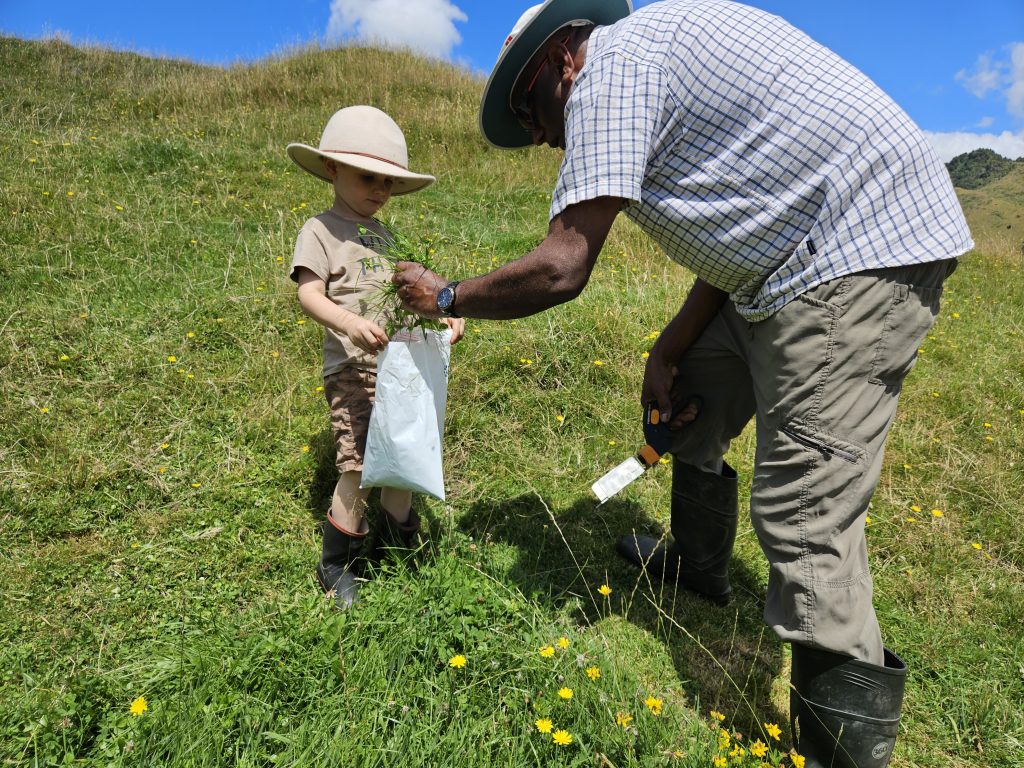
Gordon Rajendram the soil scientist

Phillip

Red tractor applying fertilizer with a boom sprayer on a New Zealand farm field surrounded by native bush

One Of New Zealand’s Leading Soil Scientists Dr Gordon Rajendram Predicts A Paradigm Shift In Fertiliser Use On New Zealand Farms

One of New Zealand’s leading soil scientists, Hamilton-based Dr Gordon Rajendram, believes the time has come for a rethink on fertiliser use on the country’s farms. “An increasing number of New Zealand farmers are realising that the traditional fertiliser methods are not necessarily the best way forward,” he says. “Growing awareness, coupled with rising costs, is driving a paradigm shift in the overall perspective of fertiliser use,” Dr Rajendram says. A recent article on Ravensdown highlights how financial pressures are forcing farmers to curb spending on fertilisers, leading to lower sales for that business. “While economic challenges play a role it is fair to say that competition and greater farmer awareness are also major factors in this shift. Farmers are becoming more informed about soil science and recognising that they may not need as much phosphate as previously recommended,” Dr Rajendram said. “Phosphate fertiliser has long been marketed as an essential annual input, but research and field experience show that many New Zealand soils retain phosphate for several years. Excessive application not only wastes money but also contributes to environmental issues such as runoff into waterways. Forward-thinking farmers are now testing their soils more regularly and applying fertiliser based on actual need rather than the traditional scattergun approach.” “Another significant trend is the changing approach to nitrogen fertilisation. Instead of relying heavily on granular nitrogen applications, many farmers are moving towards spraying nitrogen in more targeted amounts, reducing overall usage by up to 50 per cent. This shift enhances efficiency, reduces costs, and minimises environmental impact,” Dr Rajendram added. “The decline in superphosphate sales and the move towards more strategic fertiliser use mark a turning point for the industry. Companies that have built their business models on persuading farmers to apply phosphate annually are facing the reality of an old, sunset industry,” he commented. “Farmers are no longer blindly following outdated fertiliser regimes. They are making informed decisions, embracing innovative approaches, and prioritising both economic and environmental sustainability. This shift is not just about cutting costs—it’s about farming smarter for the future,” he said. For more information, please contact: Contact Dr Gordon Rajendram 021 466077 rajendram@xtra.co.nz www.gordonrajendramsoilscientist.co.nz Contact Media PA phillip@mediapa.co.nz 027 458 7724

One Of New Zealand’s Leading Soil Scientists Dr Gordon Rajendram Predicts A Paradigm Shift In Fertiliser Use On New Zealand Farms Read More »

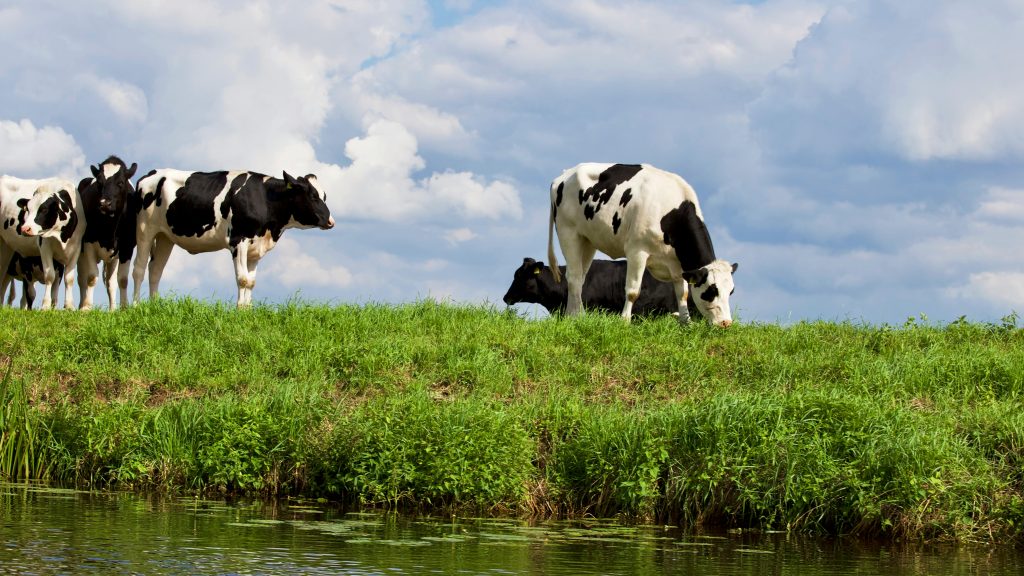
Dairy cows grazing on a lush green hill near a water source under a partly cloudy sky in New Zealand

Assessing the Impact of Summer Grazing Patterns on Soil Compaction and Health with Soil Scientist Dr Gordon Rajendram

Soil compaction is a growing concern in pastoral farming, particularly during summer when dry conditions mask early signs of structural degradation. Research has shown that intensive grazing can significantly impact soil porosity, microbial activity, and pasture productivity (Drewry et al., 2008). Understanding how summer grazing patterns influence soil health is essential for developing sustainable land management practices. How Summer Grazing Affects Soil Health During dry summer months, soil appears firm and resilient, but hoof pressure from livestock can still compact the upper layers. Compaction is most pronounced in high-traffic areas such as around water troughs, gateways, and shade zones, where soil undergoes repeated pressure with limited recovery time (Drewry & Paton, 2005). As soil moisture fluctuates due to intermittent rainfall, compacted areas become highly prone to reduced infiltration, increasing runoff and erosion risks. “Soil compaction is often an invisible issue until it becomes a major problem,” says Dr Gordon Rajendram. “Farmers may not see the effects immediately, but over time, compacted soil leads to reduced pasture growth, poor drainage, and increased fertiliser wastage. Managing grazing intensity and soil health proactively is crucial for long-term farm sustainability.” Soil porosity and microbial activity are key indicators of soil health, and both are negatively affected by excessive grazing pressure. Research has found that compaction from livestock reduces oxygen availability in the soil, disrupting microbial communities essential for nutrient cycling and organic matter decomposition (Gao et al., 2021). This, in turn, limits pasture growth and can lead to long-term declines in soil fertility. Compaction and Its Long-Term Effects A study by Mackay et al. (2011) on land-use intensification in New Zealand highlighted that persistent soil compaction reduces root penetration and nutrient uptake, ultimately diminishing pasture production. Poor soil structure not only limits water retention but also exacerbates nutrient loss through surface runoff, increasing the risk of nitrogen leaching into waterways—a critical environmental concern. Strategies to Minimise Compaction 1. Rotational Grazing – Moving stock frequently prevents excessive trampling in one area and allows pastures to recover. 2. Optimising Stocking Rates – Maintaining appropriate stocking densities reduces pressure on vulnerable soil areas. 3. Maintaining Ground Cover – Leaving adequate pasture residuals protects soil structure and prevents excessive hoof impact. 4. Aeration Techniques – Mechanical aeration, along with chemical treatments (such as adding calcium) and biological methods (encouraging earthworm population growth), can help restore compacted soils by improving pore space, soil density and drainage. 5. Monitoring Soil Health – Regular soil testing and structural assessments can help identify early signs of compaction and inform management decisions. By implementing these strategies, farmers can protect their soils from degradation and ensure long-term pasture productivity. Sustainable grazing management is crucial for maintaining soil health and reducing the environmental footprint of pastoral farming. References · Drewry, J. J., & Paton, R. J. (2005). Soil physical quality under cattle grazing of a winter-fed brassica crop. Soil and Tillage Research, 84(1), 45-54. · Drewry, J. J., Cameron, K. C., & Buchan, G. D. (2008). Pasture yield and soil physical property responses to soil compaction from treading and grazing—a review. Australian Journal of Soil Research, 46(3), 237-256. · Gao, W., Hodgkinson, L., Jin, H., Ashton, R. W., White, R. P., & Young, I. M. (2021). The impact of soil compaction on soil microbial communities and their functioning under contrasting moisture conditions. Geoderma, 395, 115031. · Mackay, A. D., Dominati, E. J., & Taylor, M. D. (2011). Land-use intensification in New Zealand: Effects on soil properties and pasture production. Journal of Agricultural Science, 149(1), 89-102. For more information, please contact: Contact Dr Gordon Rajendram 021 466077 rajendram@xtra.co.nz www.gordonrajendramsoilscientist.co.nz Contact Media PA phillip@mediapa.co.nz 027 458 7724

Assessing the Impact of Summer Grazing Patterns on Soil Compaction and Health with Soil Scientist Dr Gordon Rajendram Read More »

Spreading organic mulch with a shovel into a wheelbarrow to improve soil health and retain moisture during summer drought

The Role of Organic Mulches in Protecting Soil Health During Summer Droughts – Insights from Dr Gordon Rajendram

The Growing Challenge of Summer DroughtsSummer droughts are a persistent challenge, placing soil health and crop productivity under strain. Dr Gordon Rajendram, an expert in sustainable agriculture, highlights that organic mulches are a key tool for maintaining soil resilience during these periods. Research supports their role in moisture retention, temperature regulation, and preventing soil degradation, making them vital for drought management. How Organic Mulches Protect SoilOrganic mulches, including straw, wood chips, and compost, reduce evaporation by covering the soil surface, retaining water, and providing plants with consistent moisture. Studies show that mulches can decrease water loss by up to 35%, outperforming bare soil (Chalker-Scott, 2007). Mulches also protect soil from extreme temperatures, insulating it and maintaining conditions conducive to root and microbial health, enhancing soil biodiversity and nutrient cycling (Chalker-Scott, 2007; Lalljee, 2020).“Mulching is one of the simplest yet most effective ways to combat drought and improve soil health,” says Dr Rajendram. Preventing Erosion and Enriching SoilDr Rajendram also highlights mulches’ ability to prevent erosion and compaction. By cushioning the soil and reducing surface runoff, mulches preserve soil structure. A study found a 1.5 cm layer of straw reduced soil erosion by 86%, demonstrating the protective capacity of organic mulch (Chalker-Scott, 2007). As these materials decompose, they enrich the soil with organic matter, improving texture and fertility (Chalker-Scott, 2007; Lalljee, 2020). Practical Tips for Applying MulchesThe effectiveness of mulches depends on proper application. Dr Rajendram recommends an even layer of mulch, avoiding direct contact with plant stems to reduce disease risks. For long-term benefits, selecting materials suited to soil types and crops is essential (Chalker-Scott, 2007). ConclusionDr Gordon Rajendram’s research affirms that organic mulches are essential for protecting soil health during summer droughts. By conserving moisture, stabilising temperatures, and improving soil structure, mulches help farmers and gardeners build resilience, ensuring sustainable productivity. References Chalker-Scott, L. (2007). Impact of mulches on landscape plants and the environment: A review. Journal of Environmental Horticulture, 25(4), 239–249. Lalljee, B. (2020). Soil health and climate change: An analysis of soil protection and drought management using organic mulches. Agronomy, 10(4), 605. https://doi.org/10.3390/agronomy10040605 For more information, please contact: Contact Dr Gordon Rajendram 021 466077 rajendram@xtra.co.nz www.gordonrajendramsoilscientist.co.nz Contact MediaPA phillip@mediapa.co.nz 027 458 7724

The Role of Organic Mulches in Protecting Soil Health During Summer Droughts – Insights from Dr Gordon Rajendram Read More »

Looking up through a dense agroforestry canopy that provides natural shade, reducing soil temperature extremes

Dr Gordon Rajendram: Implementing Agroforestry Practices to Mitigate Soil Temperature Extremes

In New Zealand’s diverse climate, managing soil health is essential for sustainable agriculture. Dr Gordon Rajendram, a leading New Zealand soil scientist, advocates agroforestry as a transformative approach to mitigating soil temperature extremes while improving farm productivity. Integrating trees with crops and pastures helps stabilise soil conditions, buffers against environmental stresses, and enhances overall resilience. Agroforestry systems can reduce soil temperature fluctuations by up to 9% through shade provision and improved microclimates (Riyadh et al., 2024; Sarmiento-Soler et al., 2022). Trees act as “safety nets,” capturing nutrients via deep roots and increasing soil organic matter, which boosts moisture retention and reduces evaporation. This is particularly beneficial for New Zealand’s agricultural regions prone to droughts and frosts, such as Canterbury and Central Otago (Fahad et al., 2022; Surki et al., 2023). In addition to temperature moderation, agroforestry offers numerous ecological and economic benefits. Species like mānuka and kānuka not only fix nitrogen but also enrich soils with organic matter, reducing dependency on synthetic fertilisers. Windbreaks formed by tree rows minimise soil erosion, a persistent issue in Hawke’s Bay and other erosion-prone areas (Fahad et al., 2022; Riyadh et al., 2024). Furthermore, agroforestry fosters biodiversity, provides habitats for native species, and enhances the broader ecosystem (Surki et al., 2023). “Agroforestry is a holistic solution that merges ecological restoration with agricultural productivity,” says Dr Gordon Rajendram. “By adopting these practices, farmers can mitigate soil extremes, reduce reliance on chemical inputs, and build resilience to climate challenges.” Success in agroforestry lies in careful design. Selecting tree species adapted to local conditions, ensuring appropriate planting densities, and managing inter-species competition are critical. Agroforestry has been shown to improve soil health indicators, including organic carbon and nutrient cycling, which are key to sustaining long-term agricultural yields (Fahad et al., 2022; Sarmiento-Soler et al., 2022). Dr Gordon Rajendram’s advocacy underscores the potential of agroforestry to future-proof New Zealand’s farms. By aligning ecological principles with farming innovation, his approach offers a practical roadmap for sustainable agriculture in the face of a changing climate. References For more information, please contact: Contact Dr Gordon Rajendram 021 466077 rajendram@xtra.co.nz www.gordonrajendramsoilscientist.co.nz Contact Media PA phillip@mediapa.co.nz 027 458 7724

Dr Gordon Rajendram: Implementing Agroforestry Practices to Mitigate Soil Temperature Extremes Read More »

Dry cracked soil between corn rows under intense summer heat, highlighting common summer soil problems

7 Common Summer Soil Problems and How to Solve Them: Leading Soil Scientist Dr Gordon Rajendram Shares Expert Tips

Summer brings sunshine, barbecues, and beach days – but for farmers and gardeners, it also brings a host of soil-related headaches. Dr Gordon Rajendram, an agricultural expert with a flair for solving soil dilemmas, explains the seven most common summer soil problems and how to tackle them with a bit of wit and wisdom. 1. Soil CompactionThe summer heat can turn soil into something resembling concrete. Over-grazing or heavy machinery exacerbates this issue. Introducing deep-rooted cover crops like lucerne can break up compacted layers naturally. Research shows that soil aeration through biological methods, such as deep-rooted plants improves soil structure and water infiltration, which is critical in avoiding compaction during the dry summer months. 2. WaterloggingSummer storms can saturate the soil, reducing oxygen availability to roots. The article by Cameron et al. (2007) highlights that waterlogged soils increase denitrification losses, harming soil nitrogen balance. Installing mole drains or creating raised beds can prevent prolonged waterlogging and protect crops from stress. 3. SalinityExcessive irrigation and high evaporation rates can cause salts to accumulate, damaging plants. Saline soils reduce the availability of water to crops. Flushing salts with good-quality water or growing salt-tolerant crops like barley can mitigate salinity until soil conditions improve. 4. Nutrient LeachingSummer rains can wash away essential nutrients like nitrogen, a major concern highlighted in Cameron et al.’s research. Nitrate leaching not only depletes soil fertility but also contributes to groundwater contamination. Using slow-release fertilisers or applying nitrogen in smaller, frequent doses can minimise leaching. Incorporating cover crops or organic matter also improves nitrogen retention. 5. CrustingSoil crusting occurs when rain compacts surface soil, reducing water infiltration and seedling emergence. A fine layer of mulch can protect the soil and keep it cooler, enhancing germination success rates. 6. WeedsWeeds thrive in disturbed or nutrient-rich soils, often outcompeting crops for water and nutrients. Maintaining healthy soil structure and promptly removing weeds before they seed are vital. 7. Heat StressHeatwaves dry out soil, leading to reduced microbial activity and moisture levels. According to Cameron et al., maintaining soil organic matter is key to improving water retention and providing a buffer against temperature extremes. Shade cloths, mulch, and regular irrigation can keep the soil and plants cooler. “Summer soil challenges might seem overwhelming, but with the right strategies, they can be managed effectively,” says Dr Gordon Rajendram. Dr Rajendram’s solutions combine practical advice with a touch of humour, ensuring farmers and gardeners can enjoy their summer with healthy, thriving soil. By addressing these common issues with actionable steps, he proves that even under the blazing summer sun, soil problems don’t have to stick. Cited Source: Cameron, K. C., Di, H. J., & Moir, J. L. (2007). Nitrogen losses from the soil/plant system: A review. New Zealand Journal of Agricultural Research, 50(2), 349-359. For more information, please contact: Contact Dr Gordon Rajendram 021 466077 rajendram@xtra.co.nz www.gordonrajendramsoilscientist.co.nz Contact Media PA phillip@mediapa.co.nz 027 458 7724 www.mediapa.co.nz

7 Common Summer Soil Problems and How to Solve Them: Leading Soil Scientist Dr Gordon Rajendram Shares Expert Tips Read More »

Isolated windmill on a dry farmland under a clear blue sky, symbolizing arid summer conditions and their effect on soil microbiology

Summer’s Impact on Soil Microbiology: What Farmers Need to Know – Insights from Dr Gordon Rajendram

Summer heat can significantly impact soil health by disrupting the balance of soil microbes. These tiny organisms are essential for nutrient cycling, soil structure, and crop productivity. Dr Gordon Rajendram, a soil health expert, says, “Understanding how summer temperatures affect microbial populations is key to maintaining healthy soil and good yields.” Warmer temperatures can initially boost microbial activity, as beneficial microbes thrive in heat. However, this can lead to faster depletion of organic matter, reducing long-term fertility. If the heat becomes extreme, the microbial community may shift, with harmful pathogens outcompeting beneficial microbes. A study in Nature Microbiology highlights that rising temperatures not only influence microbial abundance but also alter the composition of soil microbial communities, which can lead to imbalances that harm soil health (Zhang et al., 2023). Dry conditions in summer present further challenges. Moisture is critical for microbial life, and dry soils can stress or even kill microbes reliant on water. According to Microbiometer, a lack of soil moisture can shrink microbial populations and reduce their diversity, hindering vital processes like nitrogen fixation and organic matter decomposition. This often results in poorer soil quality, reduced crop yields, and increased reliance on fertilisers. Farmers can take practical steps to protect their soil microbes: “Fostering soil biodiversity is one of the best defences against the challenges of rising temperatures,” says Dr Rajendram. By adopting these sustainable practices as well as soil and pasture testing, farmers can protect their soil microbes, sustain crop productivity, and promote resilience for the future. References: For more information, please contact: Contact Dr Gordon Rajendram 021 466077 rajendram@xtra.co.nz www.gordonrajendramsoilscientist.co.nz Contact Media PA phillip@mediapa.co.nz 027 458 7724 www.mediapa.co.nz

Summer’s Impact on Soil Microbiology: What Farmers Need to Know – Insights from Dr Gordon Rajendram Read More »

Aerial view of cracked, dry soil merging into greenish, phosphorus-affected water in a polluted waterway, illustrating nutrient runoff issues in New Zealand

Dr Gordon Rajendram: Managing Phosphorus for Cleaner Waterways in New Zealand

Dr Gordon Rajendram, a leading New Zealand soil scientist, highlights that, as New Zealand transitions from spring into summer, responsible phosphorus management is more crucial than ever. Phosphorus is a key nutrient for plant growth, but improper use can lead to harmful nutrient run-off. With regular irrigation approaching and rainfall peaking in late spring, Dr Rajendram underscores the need for proactive steps to minimise phosphorus pollution in waterways, protecting ecosystems and supporting sustainable farming. The Role of Phosphorus in Eutrophication In New Zealand’s waterways, phosphorus from fertiliser run-off is a significant contributor to eutrophication—a process that accelerates algae growth and depletes oxygen in water, harming aquatic life. Research shows that when phosphorus levels are unchecked, algae thrive, leading to toxic conditions for fish and other organisms. In fact, around 76% of streams in New Zealand are phosphorus-limited, meaning they are particularly sensitive to excess phosphorus inputs (McDowell, Larned, & Houlbrooke, 2010). Dr Rajendram notes that farmers’ efforts to mitigate phosphorus run-off can make an immediate difference to water health, particularly in catchment areas where excess phosphorus has historically led to water quality issues. Effective Phosphorus Management Practices Farmers can mitigate phosphorus run-off by tailoring fertiliser application to soil needs and monitoring soil nutrient levels through regular testing. This approach prevents over-fertilisation, conserving resources and limiting nutrient loss into waterways. One effective solution is to use less water-soluble phosphorus fertilisers, which release nutrients more gradually, giving plants more time to absorb them and reducing the risk of run-off. Additionally, applying phosphorus in alignment with crop growth cycles, such as in early spring, maximises plant uptake, further minimising the potential for nutrient loss. Dr Rajendram advises: “We all have a duty to balance productivity with environmental responsibility. By carefully managing phosphorus use and establishing buffer zones around waterways, we can protect the integrity of New Zealand’s rivers and lakes for future generations.” Buffer zones—areas of vegetation between farmland and water—are highly effective in trapping nutrients before they reach water systems. Additionally, cover cropping helps stabilise soils, reducing erosion and supporting long-term soil health, which naturally limits phosphorus loss. Towards a Sustainable Approach in Phosphorus Management Dr Rajendram underscores that responsible phosphorus management is essential for New Zealand’s environmental future. By adopting practices that limit phosphorus discharge, farmers can play a vital role in reducing eutrophication risks. McDowell et al. (2016) suggest that both regulatory and voluntary approaches are crucial to sustaining good water quality across regions, offering a way forward that respects both productivity and the environment. References – McDowell, R. W., Larned, S. T., & Houlbrooke, D. J. (2010). Nitrogen and phosphorus in New Zealand streams and rivers: Control and impact of eutrophication and the influence of land management. *New Zealand Journal of Marine and Freshwater Research*, 44(4), 985-995. https://doi.org/10.1080/00288330909510055 – McDowell, R. W., Dils, R. M., Collins, A. L., Flahive, K. A., Sharpley, A. N., & Quinn, J. (2016). A review of the policies and implementation of practices to decrease water quality impairment by phosphorus in New Zealand, the UK, and the US. *Nutrient Cycling in Agroecosystems*, 104, 289-305. https://doi.org/10.1007/s10705-015-9727-0 For more information, please contact: Contact Dr Gordon Rajendram 021 466077 rajendram@xtra.co.nz www.gordonrajendramsoilscientist.co.nz Contact Media PA phillip@mediapa.co.nz 027 458 7724 www.mediapa.co.nz

Dr Gordon Rajendram: Managing Phosphorus for Cleaner Waterways in New Zealand Read More »

Tractor spreading chemical fertiliser on ploughed soil in a farmland setting, illustrating over-fertilisation and soil health concerns

Dr Gordon Rajendram on the Perils of Over-Fertilisation: A Cautionary Tale for Farmers

Dr Gordon Rajendram, a leading New Zealand soil scientist and consultant for sustainable farming, explains that even slight overuse of fertiliser can result in nutrient imbalances, water pollution, and long-term soil damage. “Even if over-fertilisation isn’t a crisis now, farmers must focus on efficiency and sustainability. Applying only what is necessary protects the land and the environment,” he says. Fertilisers contain key nutrients like nitrogen (N), phosphorus (P), and potassium (K), which are vital for plant growth. However, if these nutrients exceed crop requirements, they can leach into groundwater or wash into nearby water bodies. Nitrogen, in particular, poses a risk as it transforms into nitrates, which can contaminate both groundwater and surface water. High nitrate concentrations not only threaten aquatic ecosystems but can also make drinking water unsafe, particularly in rural areas dependent on groundwater sources. Dr Rajendram stresses that “soil testing is key in modern agriculture; applying excess fertiliser may seem beneficial initially, but it can lead to nutrient imbalances and soil acidification, which ultimately harms crop yields.” When excess nutrients disrupt soil pH, beneficial microorganisms that help plants absorb nutrients and resist diseases are negatively impacted. This degradation compromises soil structure and reduces its ability to retain moisture, making crops more vulnerable to drought. In addition to environmental risks, excessive fertiliser use results in a reliance on chemical inputs, increasing farming costs. Over time, continuous over-fertilisation can lead to an accumulation of salts in the soil, which harms plant roots and reduces crop resilience. This dependency threatens both farm productivity and profitability. To mitigate these risks, Dr Rajendram advises using precision farming techniques. “Farmers can improve both yield and sustainability by adopting best practices, such as soil nutrient testing and targeted fertiliser application,” he recommends. Technologies like GPS-guided fertiliser application allow for targeted delivery, ensuring crops receive what they need without excess. By prioritising balanced nutrient management, Dr Rajendram believes that farmers can achieve optimal yields while protecting the health of their soil and the environment. Implementing these practices ensures that fertilisers contribute positively to crop productivity while safeguarding the long-term viability of the land. For more information, please contact: Contact Dr Gordon Rajendram 021 466077 rajendram@xtra.co.nz www.gordonrajendramsoilscientist.co.nz Contact Media PA phillip@mediapa.co.nz 027 458 7724 www.mediapa.co.nz

Dr Gordon Rajendram on the Perils of Over-Fertilisation: A Cautionary Tale for Farmers Read More »

Horses grazing and walking on a green pasture with blooming spring grass, representing livestock health and the role of soil nutrients

Leading Hamilton Soil Scientist Dr Gordon Rajendram: Nutrients and Minerals in Spring Grass and How Pasture and Soil Testing Can Optimise Horse and Stock Health

One of New Zealand’s leading soil scientists Dr Gordon Rajendram emphasises the importance of understanding the nutrient balance in spring grass and the impact it can have on the health of horses and stock. Spring brings a surge in pasture growth, creating a nutrient-rich food source for grazing animals. However, this rapid growth often results in an imbalance of key nutrients, which can negatively affect animal health. Dr Rajendram’s solution is to carry out thorough pasture and soil tests to ensure the correct products are applied to the land, decreasing inefficiencies and maximising the benefits of spring grass.  Spring grass is typically high in carbohydrates, particularly sugars and fructans, which provide quick energy to horses and stock. While beneficial, Dr Rajendram warns that excessive sugar intake can lead to problems like laminitis in horses and metabolic disorders in livestock. Additionally, the grass is often rich in minerals such as calcium, phosphorus, and potassium, which support bone strength and muscle function. However, the high potassium content can interfere with the absorption of magnesium, a crucial mineral for preventing conditions like grass tetany in cattle. One of the key concerns Dr Rajendram identifies is the deficiency of magnesium in spring pastures, which can lead to health issues like muscle tremors, stiffness, and poor performance in both horses and stock. To counter this, he recommends pasture and soil testing as a vital step to understanding the specific nutrient composition of the pasture. Pasture and soil tests allow for targeted application of the right products, ensuring magnesium and other essential minerals are present in appropriate amounts. Dr Gordon Rajendram explains that by conducting sasture and soil tests and applying the correct fertilisers, farmers and horse owners can optimise the nutrient profile of their pasture. This proactive approach ensures that grazing animals receive balanced nutrition, reducing the risk of health issues and enhancing overall wellbeing during the spring months. For more information, please contact: Contact Dr Gordon Rajendram 021 466077 rajendram@xtra.co.nz www.gordonrajendramsoilscientist.co.nz Contact Media PA phillip@mediapa.co.nz 027 458 7724 www.mediapa.co.nz

Leading Hamilton Soil Scientist Dr Gordon Rajendram: Nutrients and Minerals in Spring Grass and How Pasture and Soil Testing Can Optimise Horse and Stock Health Read More »

A modern green tractor applying fertiliser with boom sprayer on a dry field surrounded by lush green forest—symbolising modern agriculture and market competition

New Player Marnco Has Increased Competition And Reduction In Prices In New Zealand’s Fertiliser Market And Viewed Positively By Leading Soil Scientist Dr Gordon Rajendram

The recent entry of Marnco into the New Zealand fertiliser market has been viewed as a positive development by one of New Zealand’s leading soil scientists, Hamilton-based Dr Gordon Rajendram. “Since Marnco entered the market around Easter, we’ve seen a significant drop in fertiliser prices, which is great news for farmers,” says Rajendram. He said that prior to COVID-19, the price of urea was approximately $530 per tonne, with super phosphate priced at $345 per tonne. However, recent months have seen substantial price reductions, with potassium chloride (KCI) dropping from $1,100 per tonne in December 2023 to $795, thanks to Marnco’s competitive pricing according to Rajendram. “Marnco’s entry into the market has made a tangible difference, offering pure KCI at $775 per tonne, and reducing the price of sulphur phosphate from $525 to $370 per tonne,” Dr Rajendram commented “This is exactly the kind of competition we need to support our farming communities and ensure New Zealand agriculture remains competitive on the world stage.” Dr Gordon Rajendram, a leading expert in New Zealand’s agricultural sector, has called for increased competition in the country’s fertiliser market, citing it as essential for reducing costs and driving innovation. According to Dr Rajendram, the lack of competition in New Zealand has kept fertiliser prices unnecessarily high, significantly impacting farmers’ production costs. “Fertiliser is one of the biggest expenses on a farm. Higher fertiliser costs translate directly to higher production costs, whether it’s converting pastures and crops into milk or meat,” he explains. “For New Zealand agriculture to remain competitive on the global market, addressing this issue is crucial.” Dr Rajendram highlights the financial strain particularly felt in the sheep and beef farming sectors. He notes that many farmers, especially those in the sheep sector, are cutting back on fertiliser use or withholding it altogether due to the low lamb schedule. “There’s a lot of hurt out there,” he says. When comparing New Zealand to other farming nations, Dr Rajendram points out that many countries have a greater variety of fertiliser companies to choose from, which helps keep prices lower. “In South Africa, for example, urea sells for around $590 per tonne, and in Asia, it ranges from $550 to $600 per tonne. Meanwhile, in New Zealand, we’re paying almost $200 more per tonne, despite urea being produced locally.” The absence of competition also stifles innovation, according to Dr Rajendram. “Without competition, there’s no incentive to create better products. Companies can continue selling the same old products without any need to improve because they control the market.” Click here to listen to the radio interview. For more information, please contact: Contact Dr Gordon Rajendram 021 466077 rajendram@xtra.co.nz www.gordonrajendramsoilscientist.co.nz About Dr Gordon Rajendram  Dr Gordon Rajendram is a respected figure in New Zealand’s agricultural industry, with extensive experience in soil science and sustainable farming practices. He is an advocate for innovation and competitiveness in the sector, particularly in the fertiliser market. Contact Media PA phillip@mediapa.co.nz 027 458 7724 www.mediapa.co.nz

New Player Marnco Has Increased Competition And Reduction In Prices In New Zealand’s Fertiliser Market And Viewed Positively By Leading Soil Scientist Dr Gordon Rajendram Read More »

Scroll to Top