Gordon Rajendram the soil scientist

Phillip

Is Black Gold the Saviour for NZ Agriculture? – Dr Gordon Rajendram on the Promise of Biochar and Humates

Introduction New Zealand farmers often face two major challenges: nutrient loss from soils and the impacts of dry conditions. Dr Gordon Rajendram says solid humates and biochar, both derived from plant-based materials, can be valuable tools in addressing these issues. Used in soils or as part of animal feed, they help retain water and nutrients where they are needed most [1]. “The key is getting more value from every drop of water and every kilogram of fertiliser,” says Dr Rajendram. “Humates and biochar work with nature to do exactly that.” Humates: Feeding Soil and Livestock Humates are rich in humic and fulvic acids, typically sourced from lignite (brown coal) [2]. With a naturally high cation exchange capacity (CEC), they hold onto water and nutrients, keeping them available to plant roots [3]. By binding with nitrogen compounds, humates can reduce nitrate leaching, one of the biggest environmental issues facing New Zealand’s pastoral farming systems. They also limit nitrous oxide emissions, a potent greenhouse gas, by locking nitrogen into the soil. Humates stimulate beneficial soil microbes and improve soil structure. When included in livestock feed, they aid digestion, boost mineral uptake, support immunity, and help control parasites [4]. Healthier stock means better performance in the paddock and higher-quality manure returning to the soil. Biochar: Long-Lasting Benefits for the Land Biochar is charcoal made from wood or crop residues in a low-oxygen environment [5]. Like humates, it has a high CEC and acts as a reservoir for nutrients and moisture. The Australia New Zealand Biochar Industry Group (ANZBIC) highlights its ability to build long-lasting soil carbon, reduce nitrate leaching, and retain nitrogen in the soil [6]. This reduces both nutrient losses to waterways and nitrous oxide emissions, tackling two of the most pressing environmental concerns for NZ agriculture. When incorporated into compost or seedbeds, biochar improves soil resilience, helping pastures survive dry conditions [7]. In small amounts, it can also be added to feed, where it binds toxins, improves gut health, and enhances manure quality [8]. Is Black Gold the Saviour? There is growing evidence that biochar, sometimes called “black gold”, can be a game-changer for worn-out soils. While not a standalone solution, used alongside balanced nutrition and good farming practice, it strengthens soil structure, builds fertility, and reduces environmental impacts [9]. Conclusion Dr Gordon Rajendram believes that solid humates and biochar offer practical, proven benefits for Kiwi farmers. By reducing nitrate leaching, lowering nitrous oxide emissions, and improving nutrient and water efficiency, they support stronger pastures, healthier animals, and more sustainable farming for the future. Key References [1] Lehmann, J., & Joseph, S. (2015). Biochar for Environmental Management. Routledge. https://doi.org/10.4324/9780203762264 [2] Stevenson, F.J. (1994). Humus Chemistry. Wiley. https://www.wiley.com/en-us/Humus+Chemistry-p-9780471594741 [3] Khan, S.A. et al. (2007). “The Myth of Nitrogen Fertilization for Soil Carbon Sequestration”. Journal of Environmental Quality. https://doi.org/10.2134/jeq2007.0099 [4] Islam, K.M.S. et al. (2005). “Use of Humic Substances in Agriculture”. Pakistan Journal of Nutrition. https://doi.org/10.3923/pjn.2005.126.134 [5] International Biochar Initiative. (2023). Biochar Basics. https://biochar-international.org/biochar/ [6] Australia New Zealand Biochar Industry Group (ANZBIC). (2024). Biochar and Soil Health. https://www.biochar.net.nz/ [7] Schmidt, H.P. et al. (2019). “Biochar in Animal Husbandry”. Agriculture. https://doi.org/10.3390/agriculture9040081 [8] Glaser, B. et al. (2002). “Ameliorating Physical and Chemical Properties of Highly Weathered Soils”. Biology and Fertility of Soils. https://doi.org/10.1007/s00374-002-0466-4 [9] Jeffery, S. et al. (2011). “A Quantitative Review of the Effects of Biochar on Soil Properties”. Agriculture, Ecosystems & Environment. https://doi.org/10.1016/j.agee.2010.09.011 Contact Dr Gordon Rajendram rajendram@xtra.co.nz 021 466 077 https://gordonrajendramsoilscientist.co.nz/ Contact MediaPA 027 458 7724 phillip@mediapa.co.nz
Is Black Gold the Saviour for NZ Agriculture? – Dr Gordon Rajendram on the Promise of Biochar and Humates Read More »

Ground Breaking New Zealand  Field Trials By Leading Hamilton Soil Scientist Dr Gordon Rajendram Indicate That Foliar Fertiliser Boosts Spring Pasture Growth In Canterbury Region

One of New Zealand’s leading soil scientists, Dr Gordon Rajendram, says foliar fertilisers hold the key to farmers overcoming Canterbury’s cool late winter/early spring major challenges for pasture growth. Dr Rajendram, who is based in Hamilton, says results from his research field trials have revealed  foliar fertiliser provides the necessary boost to pasture growth especially when soil temperatures are low and nitrogen uptake through the roots slow to a crawl. Foliar fertilisation involves spraying water-soluble nutrients directly onto plant leaves. It’s like a targeted nutritional top-up, allowing plants to absorb nutrients almost immediately through their foliage via stomata, cuticle and leaf hairs. “This method is proving effective in cold climates like the Canterbury region incurs,” says Dr Rajendram. “Foliar sprays deliver nutrients exactly when and where they’re needed,” he says. “You’re feeding the plant directly, so it bypasses the limitations of cold soil conditions and kickstarts growth quickly.” AgResearch Backs the Science Dr Rajendram isn’t the only one seeing these results. AgResearch, one of New Zealand’s leading agricultural science organisations, has conducted similar trials with consistent outcomes. In fact, foliar fertiliser has demonstrated efficiency rates of up to four times higher than granular applications. Faster Response, Less Fertiliser One replicated pasture trial in New Zealand revealed that just 9 kg N/ha as foliar urea achieved the same grass yield (1,426 kg DM/ha) as 37 kg N/ha of granular urea. The response is rapid for a 24 day period. That’s a powerful statistic – it means foliar N delivered about 61 kg of dry matter per kg of N, compared to just 14 kg/kg N for granular urea. “With a quicker plant response and fewer applications needed, this method saves time and product, offering real cost-efficiency to Canterbury farmers,” Dr Raendram’s trials have uncovered. Dr Rajendram notes: “Granular urea is only about 35% efficient, while foliar applications are faster and use less product overall. That’s a win for farmers and the environment.” Unit N40 (extra kg DM per unit N applied over 40 days of growth) for the different seasons and regions using Granular Urea. Reference: G.S Rajendram et al (2009). Nitrogen Fertiliser Trial Base. Taken from 1272 Nitrogen Fertiliser Response trials throughout New Zealand over 80 years conducted by MAF and AgResearch. Environmental Benefits With Canterbury’s sensitivity to nitrate leaching and water quality issues, foliar fertilisers offer an environmentally responsible choice. Because nutrients are absorbed directly by leaves rather than moving through the soil, volatilisation and there is less chance of leaching into waterways. The reduced volume of fertiliser required, further supports sustainable practices. Practical Advice for Canterbury Farmers Dr Rajendram advises farmers to use foliar sprays as a complement to their existing soil fertilisation strategies. For best results, he recommends applying in the early morning or when there is dew on the leaves – and avoiding hot, dry days to prevent leaf burn. Summary If you’re farming in Canterbury and struggling with sluggish pasture growth during late winter/early spring, foliar fertiliser may be the answer. Backed by an AgResearch study and Dr Gordon Rajendram’s decades of expertise, this method offers: By integrating foliar feeding into your nutrient management plan, you can keep your pastures thriving and your inputs low – even during the chillier months. References Contact Dr Gordon Rajendram 021 466 077 | rajendram@xtra.co.nz www.gordonrajendramsoilscientist.co.nz Contact Phillip Quay MediaPA 027 458 7724 phillip@mediapa.co.nz

Ground Breaking New Zealand  Field Trials By Leading Hamilton Soil Scientist Dr Gordon Rajendram Indicate That Foliar Fertiliser Boosts Spring Pasture Growth In Canterbury Region Read More »

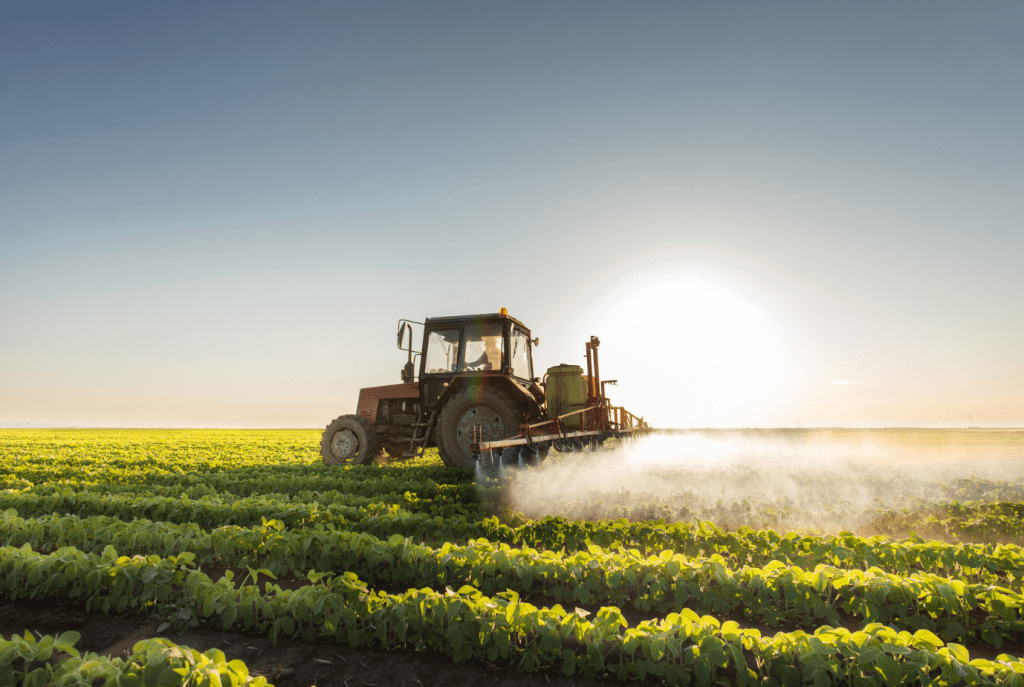
Tractor spraying fertilizer on crops in a New Zealand farm at sunrise

What Your Leaves Are Trying to Tell You: A Practical Guide to Smarter Soil and Foliar Nutrition by Dr Gordon Rajendram

When it comes to growing healthy, productive crops, your plants often reveal what they need — you just have to know where to look. According to soil scientist Dr Gordon Rajendram, leaves are one of the best indicators of nutrient deficiencies. Subtle changes in colour, shape, or spotting can highlight underlying issues before they affect your yield. Yellowing between the veins may indicate a magnesium deficiency, while stunted or distorted leaves often point to problems with boron or calcium. Left untreated, these issues can progress quickly. The good news? Foliar feeding offers a fast, effective solution. Unlike traditional root-based fertilisers, foliar sprays deliver nutrients directly to the plant’s leaves. This allows for quicker uptake and immediate correction of deficiencies, particularly during peak growth periods or when soil conditions are poor. It’s a practical way to support plant health and boost performance — without waiting for the soil to catch up. But foliar nutrition is just one part of a wider conversation: what should you really be putting on your land? Too often, fertiliser decisions are made based on habit rather than evidence. While it’s tempting to stick with what’s worked in the past, every season brings new challenges. Weather patterns shift, nutrient levels change, and crop demands evolve. Applying nutrients without soil data risks overuse, waste, and environmental harm. A smarter approach involves testing your soil regularly, understanding what your crops need at each growth stage, and tailoring your inputs accordingly. That might include slow-release fertilisers, biological amendments, or timely foliar applications. Finally, it’s important to move beyond the mindset of soil testing as a “spring-only” task. Nutrient availability isn’t static — it fluctuates year-round with rainfall, plant uptake, and microbial activity. Monitoring your soil throughout the year provides valuable insights and helps prevent problems before they start. As Dr Gordon Rajendram advises, tuning into what your plants and soil are telling you — and responding with targeted, informed action — is the key to growing stronger crops, protecting your land, and improving your bottom line. Contact Dr Gordon Rajendram 021 466 077 | rajendram@xtra.co.nz www.gordonrajendramsoilscientist.co.nz Contact MediaPA 027 458 7724 phillip@mediapa.co.nz

What Your Leaves Are Trying to Tell You: A Practical Guide to Smarter Soil and Foliar Nutrition by Dr Gordon Rajendram Read More »

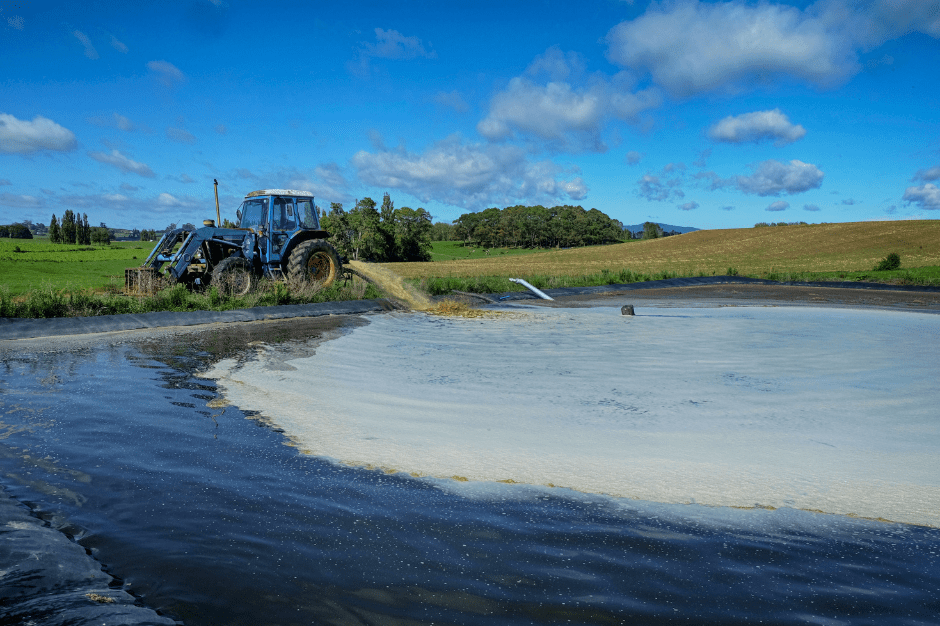
Effluent pond on a New Zealand dairy farm with tractor in background, demonstrating best practices in farm waste management.

Effluent Management in New Zealand: What to Do Right – and What Can Go Wrong with Soil Scientist Dr Gordon Rajendram

Effluent is not waste – it’s a nutrient-rich fertiliser source. When used properly, it can save money on synthetic fertiliser and support healthy soils. But when mismanaged, effluent can contaminate waterways, harm stock health and result in large fines. Here’s what farmers need to know. The Right Way to Manage Effluent What Can Go Wrong – and the Cost Case Study 1: Waimana, Bay of Plenty (2023)Two farms were fined a total of $77,000 for discharging effluent into a stream. A travelling irrigator had operated too close to a drain in damp conditions, with no soil moisture checks or documented system. Result: obvious ponding and discoloured stream water. Case Study 2: Waverley, Taranaki (2018)A faulty oxidation pond led to raw effluent entering the Moumahaki Stream. The farmer was fined $54,000. In a separate incident, ponded effluent ran off land into a creek – a $45,000 fine followed. Poor maintenance and storage management were to blame. Final Word Effluent is an asset – if managed correctly. Use industry calculators (like DairyNZ’s Effluent Spreading and Storage Tools), regularly maintain systems, and apply with care. The environment, your pasture, and your wallet will thank you. Want tailored advice for your farm?Get in touch with Dr Gordon Rajendram today to ensure your effluent management is safe, compliant, and working for your soil. Visit www.gordonrajendramsoilscientist.co.nz or contact him directly for a personalised consultation. Sources: Contact Dr Gordon Rajendram 021 466 077 | rajendram@xtra.co.nz www.gordonrajendramsoilscientist.co.nz Contact MediaPA 027 458 7724 phillip@mediapa.co.nz
Effluent Management in New Zealand: What to Do Right – and What Can Go Wrong with Soil Scientist Dr Gordon Rajendram Read More »

Young maize plants growing in nutrient-rich soil under early morning sunlight on a New Zealand farm

Foliar Fertiliser: Feeding Plants Through the Leaves with Leading New Zealand Soil Scientist Dr Gordon Rajendram

Foliar fertiliser means spraying water-soluble nutrients directly onto plant leaves. In effect, it’s like a quick “vitamin boost” through the foliage. Research has long shown that leaves can absorb nutrients via stomata (tiny pores), cuticle and leaf hairs. So foliar feeding bypasses the soil and gives plants nutrients within hours. According to soil scientist Dr Gordon Rajendram, foliar sprays “deliver nutrients exactly when and where they’re needed” during cooler weather (1). Why It Works Better, Particularly in Winter, Than Granular Application Foliar feeding is especially handy in cold seasons. When soil temperatures drop, root uptake of nitrogen slows dramatically, so grass barely grows. But a foliar spray can still feed actively growing leaves. Dr Rajendram explains: “Applying foliar fertiliser in winter means you’re not relying on soil temperatures to activate the nitrogen… You’re feeding the plant directly — it’s faster, more efficient, and leads to better results with less input.” In other words, you get a quicker response even when the ground is cold. Trials in New Zealand found that foliar N improved pasture growth at low temperatures, helping farmers extend growth into winter (1,2). Real Results from New Zealand Trials Figure: A replicated pasture trial found that using 9 kg N/ha as a foliar N spray produced essentially the same grass yield (1,426 kg DM/ha) as 37 kg N/ha of granular urea. This means the foliar method gave about 61 kg of dry matter per kg N versus 14 kg per kg N for soil urea – roughly 4× more efficient (2). The response was quick and lasted for 24 days. Better Efficiency, Less Waste The efficiency gains are dramatic. By targeting nutrients to the leaves, plants use more of the fertiliser and less is lost. A recent review notes that foliar sprays “deliver nutrients directly… thereby helping to reduce negative impacts” on soil and water (3). In trials on wheat, even very low rates of foliar phosphorus in winter corrected mid-season deficiencies and boosted P use efficiency (4). Overall, foliar feeding can increase nutrient-use efficiency and yield, especially for micronutrients or in special situations. When and How to Use It Of course, foliar feeding supplements, not replaces, normal soil fertilisation. Think of it as an extra tool. Bulk N, P, K still come from soil and applied fertilisers, while foliar applications give fast fixes of nitrogen, major and trace elements. For best results, spray when leaves are moist (e.g. morning dew or light rain) and avoid very hot, dry weather to prevent leaf burn. The bottom line: foliar fertilisers are a practical way to get nutrients into the plant quickly, especially when soil uptake is slow. As Dr Rajendram reminds us, with the right timing farmers can grow more winter grass with less input. By combining foliar sprays with a solid soil fertility plan, farmers can boost efficiency, reduce losses, and keep pasture growing through the cooler months (1,2). About Dr Gordon Rajendram Dr Gordon Rajendram is a New Zealand-based soil scientist with over 40 years of experience in nutrient management and soil fertility. Formerly with AgResearch, he is widely respected for his work on improving nitrogen efficiency and sustainable farming practices. References Contact Dr Gordon Rajendram 021 466 077 | rajendram@xtra.co.nz www.gordonrajendramsoilscientist.co.nz Contact MediaPA 027 458 7724 phillip@mediapa.co.nz
Foliar Fertiliser: Feeding Plants Through the Leaves with Leading New Zealand Soil Scientist Dr Gordon Rajendram Read More »

Comparison chart of dry matter yield using granular and foliar nitrogen fertiliser treatments in a 24-day AgResearch trial

Grow More Grass in the Colder Months: Dr Gordon Rajendram Talks Foliar Fertiliser at Field Days 2025

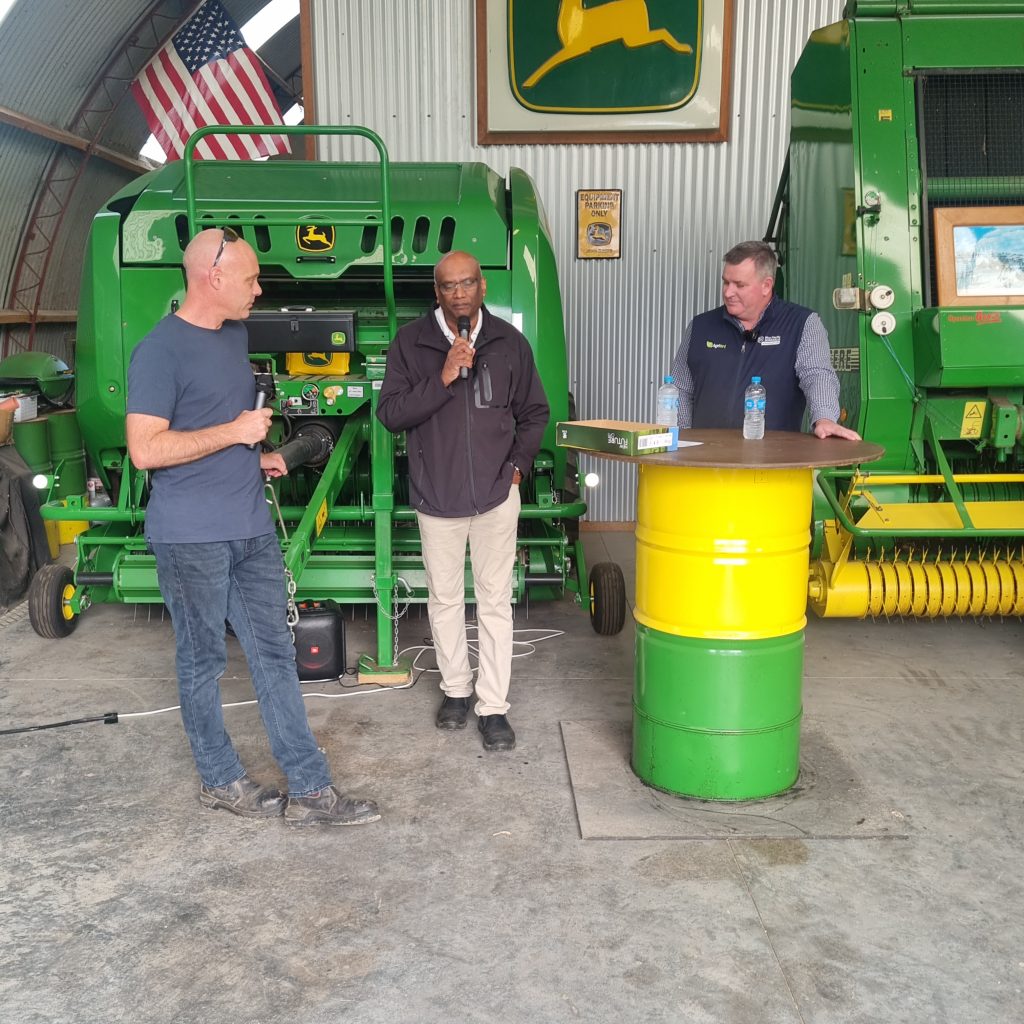
At the 2025 “Grow Grass in the Colder Months” Field Day, New Zealand soil scientist Dr Gordon Rajendram delivered an insightful talk on how strategic foliar fertiliser application is transforming pasture-based farming. Hosted on-farm and designed as a practical “how-to” event, the day focused on helping farmers grow more, higher-quality pasture during the colder months, when traditional systems typically slow to a crawl. Dr Rajendram explained how foliar fertilisers, specifically Cold Grow, can be used to feed pasture directly through the leaf, delivering nutrients exactly when and where they’re needed. This method improves nitrogen uptake efficiency, reduces environmental loss, and supports continued pasture growth during cooler conditions. “Applying foliar fertiliser in winter means you’re not relying on soil temperatures to activate the nitrogen,” Dr Rajendram said. “You’re feeding the plant directly, it’s faster, more efficient, and leads to better results with less input.” He also highlighted how foliar nutrition supports soil biology by stimulating root exudates, the sugars plants release into the soil, which in turn feed microbes and improve overall soil health. The result is not just more grass, but better-quality pasture with higher nutrient density. The event also showcased the BA Sprayers LM Series and Brandt tractors from Power Farming, demonstrating how modern equipment makes foliar application practical and precise. A Q&A session followed, with Dr Rajendram joined by a farmer already using the foliar system and Mike Prendergast from Blue Pacific Minerals. Moderated by the event organiser Jolyon Ludbrook, the panel discussed real-world applications and gave attendees a chance to ask questions throughout. The goal was simple: ensure every farmer walked away with practical knowledge they could apply on their farm immediately, no purchases required. Dr Rajendram’s message was clear: with the right tools and timing, farmers can grow more grass in winter, reduce inputs, and build healthier soils, all while improving profitability and maintaining flexibility on-farm. How to Grow More Grass Efficiently with Dr Gordon Rajendram Unit N40 (extra kg DM per unit N applied over 40 days of growth) for the different seasons and regions using Granular Urea. Reference: G.S Rajendram et al (2009). Nitrogen Fertiliser Trial Base. Taken from 1272 Nitrogen Fertiliser Response trials throughout New Zealand over 80 years conducted by MAF and AgResearch. Why Choose Foliar? ✅ More yield per unit of nitrogen✅ Lower environmental loss✅ Faster uptake and response✅ Effective at lower application rates With mounting pressure to reduce nitrogen losses and improve input efficiency, foliar fertiliser offers a smarter, more sustainable solution for pasture management. Pasture growth (kg ha-1) from harvest one, 24 days after the fertiliser is applied. kg of Dry Matter produced per kg of N applied: Granular: 14kg Liquid (Foliar) UAN: 61kg Foliar is x 4 more efficient than Granular. About Dr Gordon RajendramDr Gordon Rajendram is a New Zealand-based soil scientist with over 40 years of experience in nutrient management and soil fertility. Formerly with AgResearch, he is widely respected for his work on improving nitrogen efficiency and sustainable farming practices.021 466 077 | rajendram@xtra.co.nz | www.gordonrajendramsoilscientist.co.nz  Contact MediaPA 027 458 7724 phillip@mediapa.co.nz

Grow More Grass in the Colder Months: Dr Gordon Rajendram Talks Foliar Fertiliser at Field Days 2025 Read More »

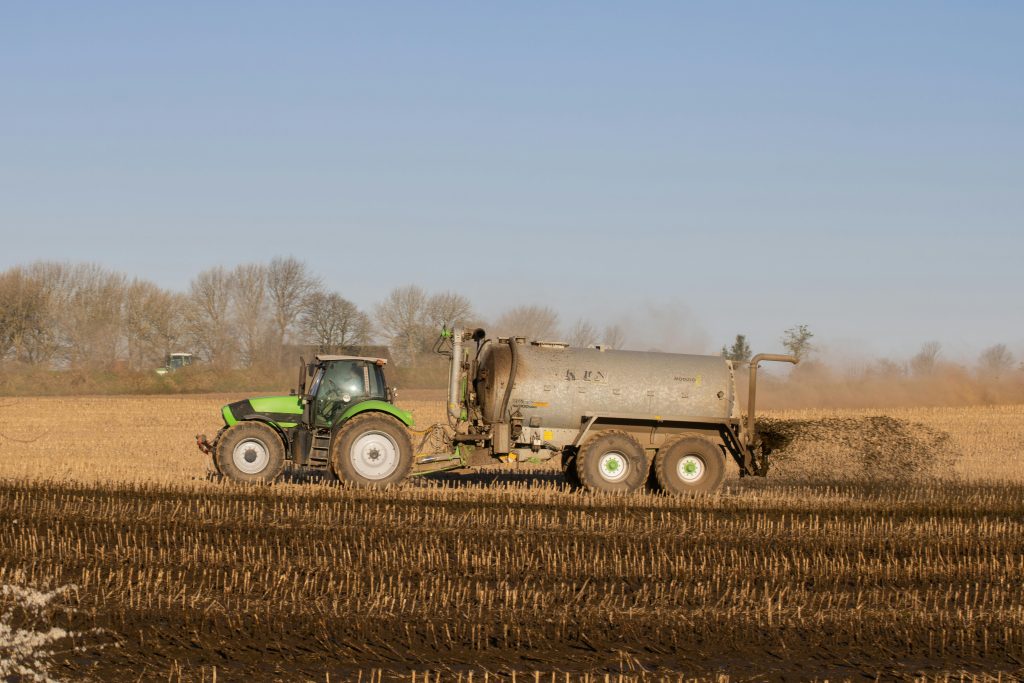
Tractor applying dairy effluent to farmland as part of sustainable soil nutrient management practices in New Zealand

Leading New Zealand Soil Scientist Dr Gordon Rajendram, on the Benefits of Applying Dairy Effluent to Farmland

According to New Zealand soil scientist Dr Gordon Rajendram, treated dairy effluent is far more than a waste product – it’s a valuable on-farm resource. When managed properly, this mixture of animal waste and wash-down water can significantly benefit soil health, reduce costs, and support more sustainable farming practices (DairyNZ, 2020). Environmentally, applying treated dairy effluent to pasture or cropland is an effective way to recycle key nutrients like nitrogen (N), phosphorus (P), potassium (K), and trace elements. Instead of being lost to waterways – where they can cause pollution and algal blooms – these nutrients are returned to the soil (Ministry for the Environment, 2022). With proper application and timing, they stay within the root zone, boosting plant uptake and minimising leaching. The organic matter present in effluent also improves soil structure and microbial life, and can even contribute to increased soil carbon over time (AgResearch, 2021). The economic value is just as compelling. Studies from New Zealand and the UK suggest that effluent nutrients are worth $25–30 per cow annually (DairyNZ, 2020). By incorporating effluent into their nutrient budgeting, farmers can reduce reliance on synthetic fertilisers. One UK farmer saved up to 40% on his fertiliser bill by maximising the use of slurry nutrients (AHDB, 2021). Across a large herd, these savings add up substantially. From an agronomic perspective, effluent enhances soil moisture retention, aeration, and nutrient-holding capacity. The added organic matter supports healthier soils and more resilient pastures, while encouraging beneficial microbial activity (Teagasc, 2020). Dr Gordon Rajendram emphasises that responsible management is crucial. Effluent must be treated, stored, and applied according to best practice to avoid runoff and overloading. But when handled correctly, it transforms waste into a sustainable asset. As fertiliser prices rise and environmental regulations tighten, Dr Rajendram believes land application of effluent is not only smart farming – it’s essential. It’s a key step towards a more circular, cost-effective, and environmentally sound dairy industry. References Let me know if you’d like me to tailor the tone or format for a specific publication or audience. For more information, contact:Dr Gordon Rajendram📞 021 466077✉️ rajendram@xtra.co.nz🌐 www.gordonrajendramsoilscientist.co.nz Media Enquiries:Media PA – Phillip📞 027 458 7724✉️ phillip@mediapa.co.nz

Leading New Zealand Soil Scientist Dr Gordon Rajendram, on the Benefits of Applying Dairy Effluent to Farmland Read More »

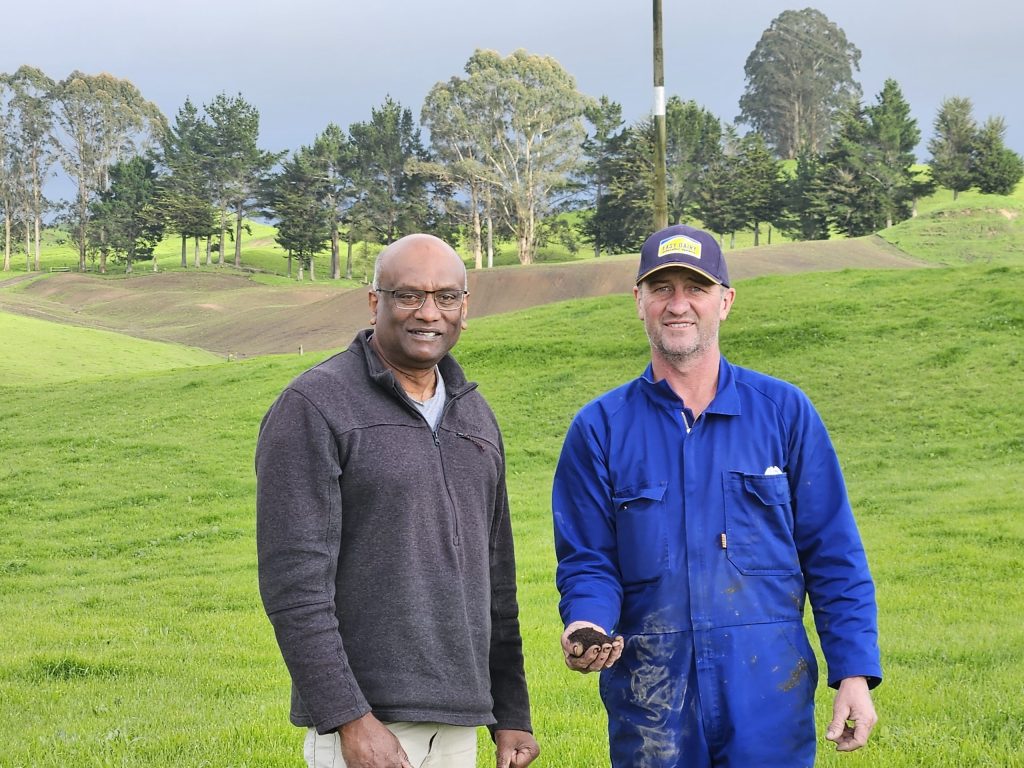
Dr. Gordon Rajendram standing confidently in a lush green pasture, representing leadership in soil science and fertiliser expertise in New Zealand.

Dire Soil Conditions In Taranaki Prompts Call for Urgent Action On Liming From Expert Soil Scientist Dr Gordon Rajendram

This year’s dire drought situation in Taranaki has highlighted the need for the region’s farmers to take a closer look at how they manage their soil in the future. That’s according to independent Hamilton soil scientist Dr Gordon Rajendram who visited the province recently at the invitation of local farmers. With a PhD in soil fertility and more than 40 years of research experience, Dr Rajendram is one of New Zealand’s most qualified independent soil scientists. “Now is the time to prepare for future dry spells by improving soil health—starting with correcting soil pH through liming. I don’t believe this year is a one-off weather event and predict that there will be further droughts of this scale in the future,” Dr Rajendram says. “Taranaki farmers are now at the whim of fertiliser companies,” says Dr Rajendram, a former long-time AgResearch soil scientist. “But the most limiting factor in farming success isn’t fertiliser—it’s water. And if your roots aren’t deep enough, they won’t reach that water.” He said that one of the key ways for Taranaki farmers to future-proof their farms will be to make the most of the nutrients already available in the farm’s eco-system—such as through proper use of effluent. “Putting effluent back onto land on as much of your land as possibly effectively can provide a good source of nutrients,” says Dr Rajendram. “But if the soil is too acidic, those nutrients won’t be taken up by the plant. It’s all about making sure your soil is in the right condition to use what you’ve already got.” Research shows soils with low soil pH, will have more soil solution aluminium and this particularly so for volcanic derived soils such as that found in Taranaki.  High solution aluminium retards plant root growth which in turn reduces pasture growth. Dr Rajendram also recommends planting deeper rooting crops to help build resilience in dry conditions. “Deeper roots allow plants to access moisture lower down in the soil profile, helping maintain pasture growth even during extended dry spells” “Taranaki’s volcanic soils are naturally acidic, which can block plants from absorbing key nutrients like nitrogen, phosphorus, and potassium. Applying lime, neutralises that acidity, improving nutrient availability, water retention, and pasture resilience,” he sad. “It doesn’t matter if you have the best soil type in the world,” says Dr Rajendram. “If the pH is wrong, the roots won’t go down. In dry conditions, nutrients build up but aren’t available to plants without moisture. That’s why pH is so critical—correct pH supports deeper roots that can access stored moisture and nutrients.” Research backs Dr Rajendram’s comments up.  A New Zealand study found that a single lime application increased nitrogen uptake by 26 kg/ha per year and boosted pasture yield by 8% (Wheeler, Edmeades & Morton, 1997). Liming also improves soil structure and water infiltration—key in Taranaki where heavy rainfall can lead to waterlogging or run-off on sloping paddocks. Research conducted by MAF and AgResearch have shown that soils with good soil pH will generally not grow more pasture in spring but will grow more pasture in summer and autumn.   Dr Rajendram strongly advises Taranaki farmers to base liming decisions on soil tests. “Over-liming is just as bad as the soil can swing too far the other way and lock up nutrients,” he commented. “Mitigate now—don’t wait for it to happen again,” he urges. “Grow more feed in summer and autumn, and give your pastures the best chance of surviving the next dry.” ReferencesWheeler, D. M., Edmeades, D. C., & Morton, J. D. (1997). Effect of lime on yield, N fixation, and plant N uptake from the soil by pasture on 3 contrasting trials in New Zealand, New Zealand Journal of Agricultural Research, 40(3), 397–408. https://doi.org/10.1080/00288233.1997.9513261Kunhikrishnan, A., et al. (2016). Functional relationships of soil acidification, liming, and greenhouse gas flux. Advances in Agronomy, 141, 99–151. https://doi.org/10.1016/bs.agron.2016.06.001 For more information, contact:Dr Gordon Rajendram📞 021 466077✉️ rajendram@xtra.co.nz🌐 www.gordonrajendramsoilscientist.co.nz Media Enquiries:Media PA – Phillip📞 027 458 7724✉️ phillip@mediapa.co.nz

Dire Soil Conditions In Taranaki Prompts Call for Urgent Action On Liming From Expert Soil Scientist Dr Gordon Rajendram Read More »

Hands holding light bulbs with green sustainability icons, symbolising eco-friendly innovation and long-term soil health solutions

How to Build a Long-Term Soil Sustainability Plan with Dr Gordon Rajendram

Soil is the foundation of productive farming, yet it is often treated as an afterthought rather than a long-term investment. According to soil scientist Dr Gordon Rajendram, a sustainable soil management plan ensures land remains fertile, minimises environmental impact, and enhances pasture and crop yields year after year. By following a structured approach, farmers can build resilience into their soil and protect their farming future. 1. Start with Comprehensive Soil and Pasture Testing A sustainable soil plan begins with understanding the current state of your soil. Regular soil and pasture testing provide essential data on pH levels, nutrient availability, organic matter content, and potential deficiencies. Without this baseline information, farmers risk applying fertilisers inefficiently or missing critical imbalances. Testing should be conducted at least annually, preferably before major planting or fertilisation. 2. Balance Soil pH for Optimal Nutrient Uptake Soil pH directly impacts nutrient availability. If the pH is too low or high, key nutrients become less accessible. Research by Condron et al. (2000) emphasises the importance of managing pH for improved soil quality, especially in organic farming systems. Regular testing and pH adjustment (e.g., applying lime) are essential for ensuring plants can access the nutrients they need. 3. Improve Soil Structure and Organic Matter Healthy soil structure promotes water retention, drainage, and root development. Regularly incorporating organic matter—such as compost, manure, or cover crops—enhances microbial activity, improves soil aeration, and builds long-term fertility. 4. Implement Strategic Fertilisation Rather than applying fertilisers blindly, use soil test data to create a targeted nutrient plan. This not only prevents overuse (which can lead to leaching and environmental damage) but also ensures crops and pastures receive exactly what they need for optimal growth. Consider slow-release or bioavailable fertilisers for sustained benefits. 5. Rotate Crops and Manage Pastures Effectively Crop and pasture rotation reduces disease and nutrient depletion. Research by Horne et al. (2016) shows that rotating crops and pastures improves soil structure, enhances biodiversity, and increases resilience to pests. Proper rotation ensures better nutrient cycling and promotes long-term soil health. 6. Monitor and Adjust Soil health is dynamic and requires ongoing attention. Regular testing, observation, and adaptive management ensure your sustainability plan evolves with changing conditions and farm needs. By following these steps, farmers can protect their soil, maximise productivity, and ensure their land remains fertile for future generations. Dr Gordon Rajendram emphasises that investing in soil health today leads to better yields, lower costs, and a more sustainable agricultural future. References:Condron, L. M., Cameron, K. C., Di, H. J., Clough, T. J., Forbes, E. A., & McLaren, R. G. (2000). A comparison of soil and environmental quality under organic and conventional farming systems in New Zealand. New Zealand Journal of Agricultural Research, 43(4), 443-466. https://doi.org/10.1080/00288233.2000.9513442 Horne, D. J., Johnson, P. R., & Horne, M. A. (2016). Effects of crop and pasture rotations on soil quality and productivity. New Zealand Journal of Agricultural Research, 59(4), 451-462. https://doi.org/10.1080/01140671.2016.1229345 For more information, please contact: Contact Dr Gordon Rajendram 021 466077 rajendram@xtra.co.nz www.gordonrajendramsoilscientist.co.nz Contact Media PA phillip@mediapa.co.nz 027 458 7724

How to Build a Long-Term Soil Sustainability Plan with Dr Gordon Rajendram Read More »

Dr. Gordon Rajendram teaching a young child how to identify pasture plants during a field soil health survey in New Zealand

Dr Gordon Rajendram – The Soil Scientist

Dr Gordon Rajendram’s scientific work has been used in farming tools such as Overseer quietly helping farmers make smarter farming decisions. More recently he’s moved from research to consulting so farmers can now benefit directly from his expertise. “My job is to bring science to the farm. For example I quantify how much pasture is actually growing when fertiliser is put on,” says Dr Gordon whose 22-year tenure at AgResearch’s Ruakura Research Centre established him as one of New Zealand’s leading soil scientists. With New Zealand’s GDP heavily dependent on agricultural output, he says that understanding soil composition and optimising its fertility has never been more crucial. As fertiliser costs continue to rise, soil and pasture testing are essential for farmers looking to maximise their fertiliser efficiency. According to Dr. Gordon the best approach is through comprehensive soil and pasture/herbage testing.“Applying too little fertiliser can be just as wasteful as using too much. Soil testing enables farmers to optimise nutrient use while minimising leaching and runoff into waterways. My approach to agricultural consultancy is rooted in balancing sustainability with productivity.” He says historically farmers and scientists have been operating in separate bubbles and in the middle is what he terms “sales talk”. The shift from research to consultancy represents a direct bridge between scientific knowledge and practical farming.“Soil testing empowers farmers to make well-informed, data-driven decisions, leading to healthier land, stronger livestock and improved profitability,” says Dr. Gordon. His research has significantly influenced New Zealand’s agricultural sector, particularly through his development of field-calibrated soil tests for nitrogen and sulphur and leaching of nutrients from pastoral soils. The sulphur test and nutrient leaching work have been incorporated into the Overseer nutrient model. These contributions earned him nominations for awards including Scientist of the Year in 2008 and Science Entrepreneur of the Year in 2010. His research into Soil Nitrogen and Field Calibration led to the development of a field-calibrated pastoral soil N test for New Zealand in 2008, which was subsequently acquired by Ballance Agri-nutrients as part of an $18 million funding deal with MSI and AgResearch. Initially called ‘N Guru’ and later renamed ‘Pasture planner’, this tool exemplifies how scientific research can be translated into practical farming applications. With more than 70 publications and six patents to his name, most achieved during his time at MAF and AgResearch, Gordon’s expertise spans analytical testing development, applied research, and consulting to farmers and fertiliser companies. As a member of both the New Zealand Society of Soil Science and New Zealand Grasslands Society, he continues to contribute to the sector’s knowledge base through regular publications and consulting work. Despite reduced government funding for research in recent years, Dr Gordon maintains his commitment to advancing agricultural science through practical application. His services include consultancy on fertiliser use, nitrate N leaching solutions, nutrient management planning, product development, educational seminars and workshops, research and analysis, environmental impact assessments and regulatory compliance guidance. Dr Gordon’s website (gordonrajendramsoilscientist.co.nz) is dedicated to helping farmers maximise soil potential by providing expert knowledge to enhance efficiency, sustainability, and profitability. His initial visit to the farm is free of charge. Contact Dr Gordon Rajendram today! 021 466 077 rajendram@xtra.co.nz

Dr Gordon Rajendram – The Soil Scientist Read More »

Scroll to Top